
Raizal culture in San Andrés: places, language, music and respectful ways of getting to know it
San Andrés is not only a Colombian beach. The Raizal people have a Caribbean history of their own, ties with other islands, a creole language, religious traditions, music, cooking and ways of inhabiting the territory that should not be reduced to tourist decoration.
Raizal culture in San Andrés
San Andrés is not only a Colombian beach. The Raizal people have a Caribbean history of their own, ties with other islands, a creole language, religious traditions, music, cooking and ways of inhabiting the territory that should not be reduced to tourist decoration.
Language and memory
San Andrés creole lives alongside Spanish and English. Hearing it does not authorize imitating it as a joke. Ask with respect about meanings and recognize that the language expresses identity and community memory.
Places for understanding the territory
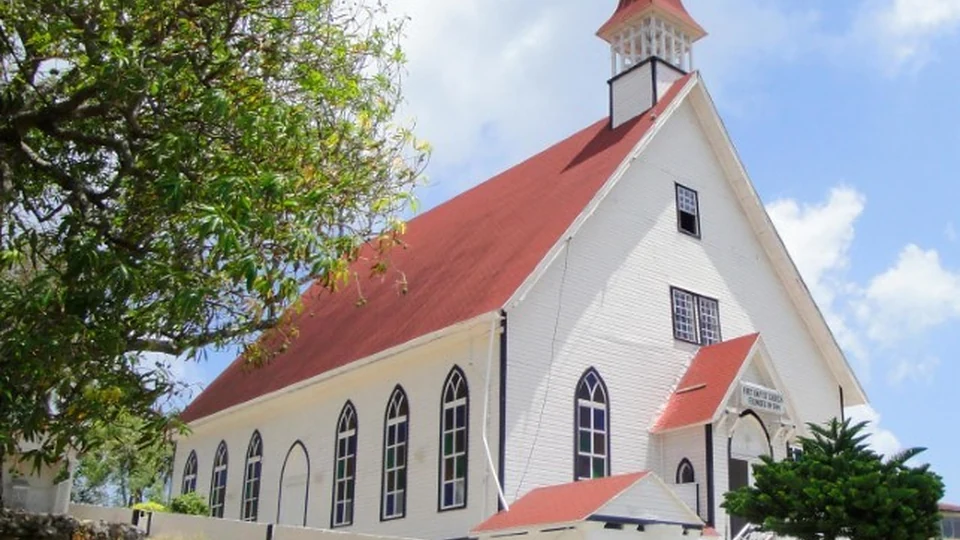
La Loma, the First Baptist Church and spaces of memory or traditional architecture help you look at the island from another perspective. Confirm hours, entry rules and whether the visit requires a guide or a contribution.
Cooking and music
Rondón, preparations with coconut, fish and breadfruit tell stories of availability, exchange and family. Rhythms and celebrations form part of a living culture; they are not permanent shows for visitors.
Photography with consent
Ask permission before portraying people, ceremonies, houses or interiors. Do not publish the location of private spaces or use children as picturesque elements.
Supporting without turning it into empty marketing
Hire local guides, buy from identified producers and dedicate time to listening. A responsible cultural visit does not look for “authenticity” as merchandise: it recognizes the community as the protagonist of its story.
Discover cultural places and experiences in San Andrés
Sources consulted
- SanAndres.travel: First Baptist Church.
- Ministry of Culture of Colombia, cultural heritage and the Raizal people.