
The 8 best routes in Santa Marta
Eight routes to do on your own in Santa Marta: Historic Center, Camellón and bay, Parque de los Novios, Plaza de Bolívar, El Rodadero, Taganga, the trail to Playa Grande and the pedestrian Calle 19. Where to start.
1. The Historic Center, from the Cathedral to the alleys
Santa Marta is understood by walking the old town and the bay, not only by going in and out of excursions. These are the best routes in Santa Marta to do on your own: streets, squares, the Camellón, El Rodadero and Taganga. Ciudad Perdida, Cabo San Juan, Playa Cristal, Minca and diving are not here; they already have their place in the best tours in Santa Marta and in the activities.
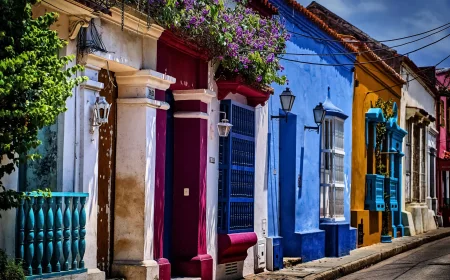
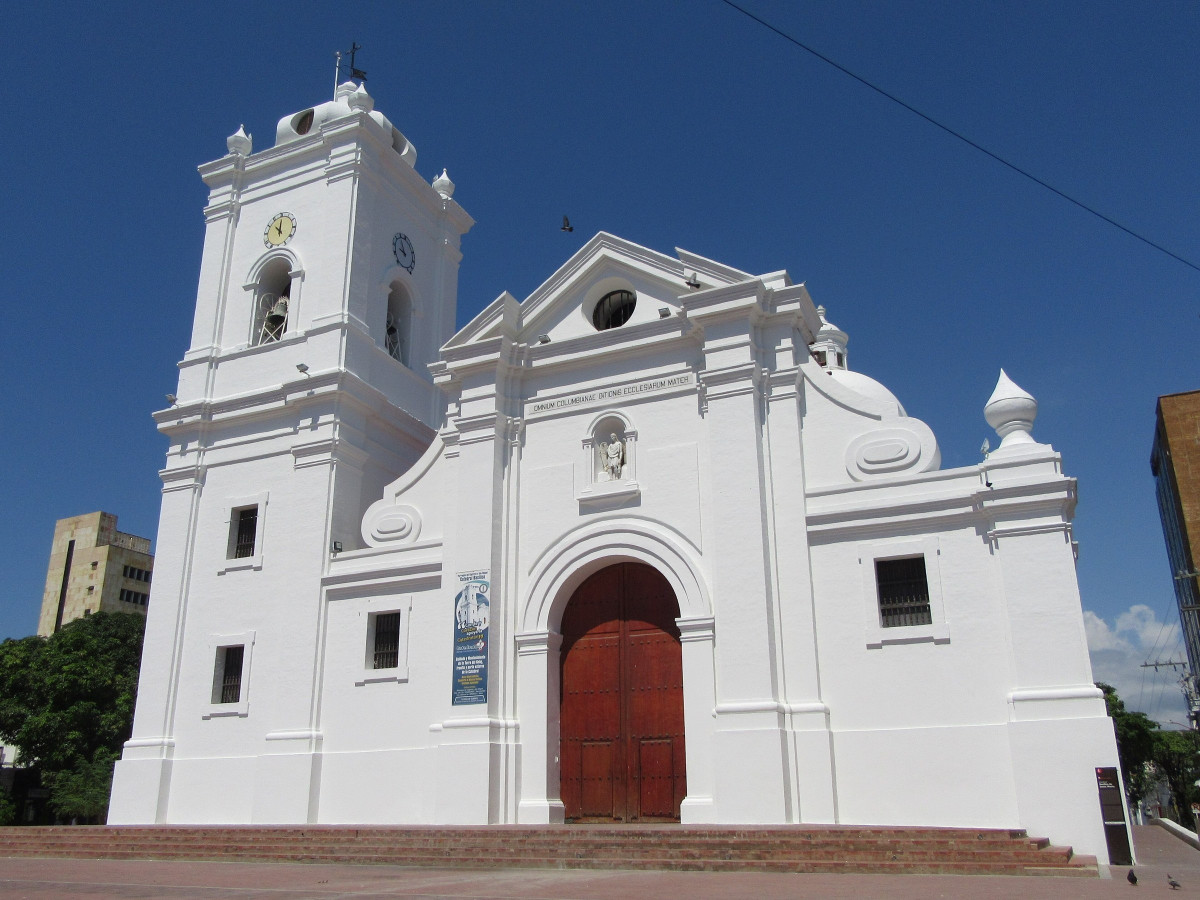
Start at the Cathedral Basilica, a white façade and a dome, in the heart of the old town. Around it there are a few blocks of low houses, balconies and pedestrian alleys. Walk without a rush between Plaza de la Catedral, the surroundings of San Francisco and the streets that go down to the sea. The Center is small and you can cross it on foot in less than an hour if you do not stop, but the point is to stop.
Go early or in the mid-afternoon, because at midday the sun hits fully and there is little shade. This stretch joins easily with the Camellón or with Parque de los Novios, which are further down the list. To get your bearings by area before you arrive, read Santa Marta for the first time.
2. The Camellón Rodrigo de Bastidas and the bay
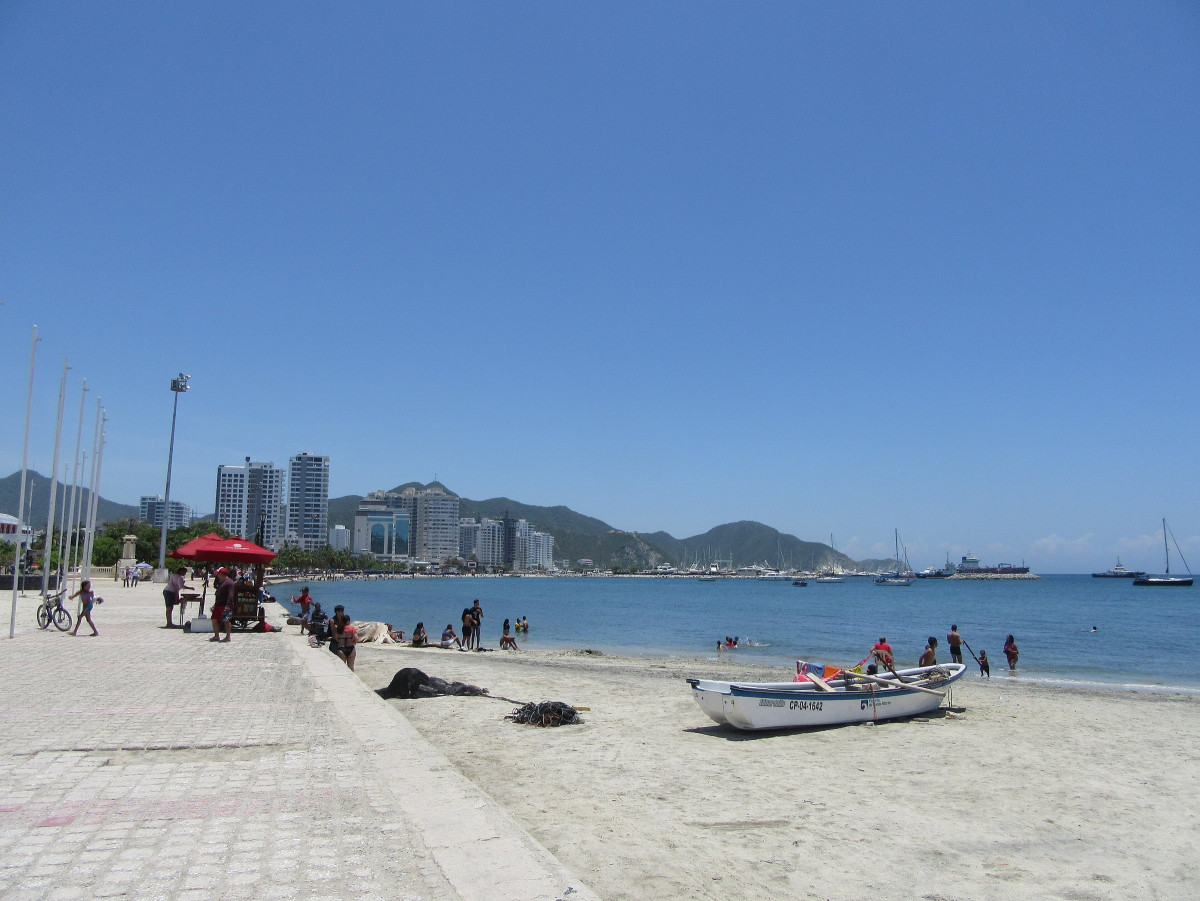
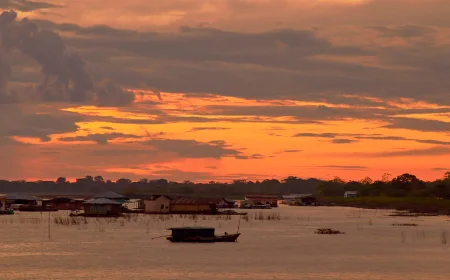
The Camellón, also called Paseo Bastidas, is the strip that joins the Center with the water. On one side there are palms, benches and vendors. On the other, the bay opening toward El Morro and the mountains of the Sierra. It is where the city sits down to watch the sunset.
Walk it from end to end, at your own pace, at the end of the afternoon, when the heat eases and families arrive. You do not have to do anything special: walk, look at the marina and stay a while sitting on the wall. If afterward you feel like going out on the water, the boats and yachts in Santa Marta leave from this same bay.
At night, stay on the stretches with people and light, and do not walk the emptier ends with your phone in your hand.
3. Parque de los Novios at dusk
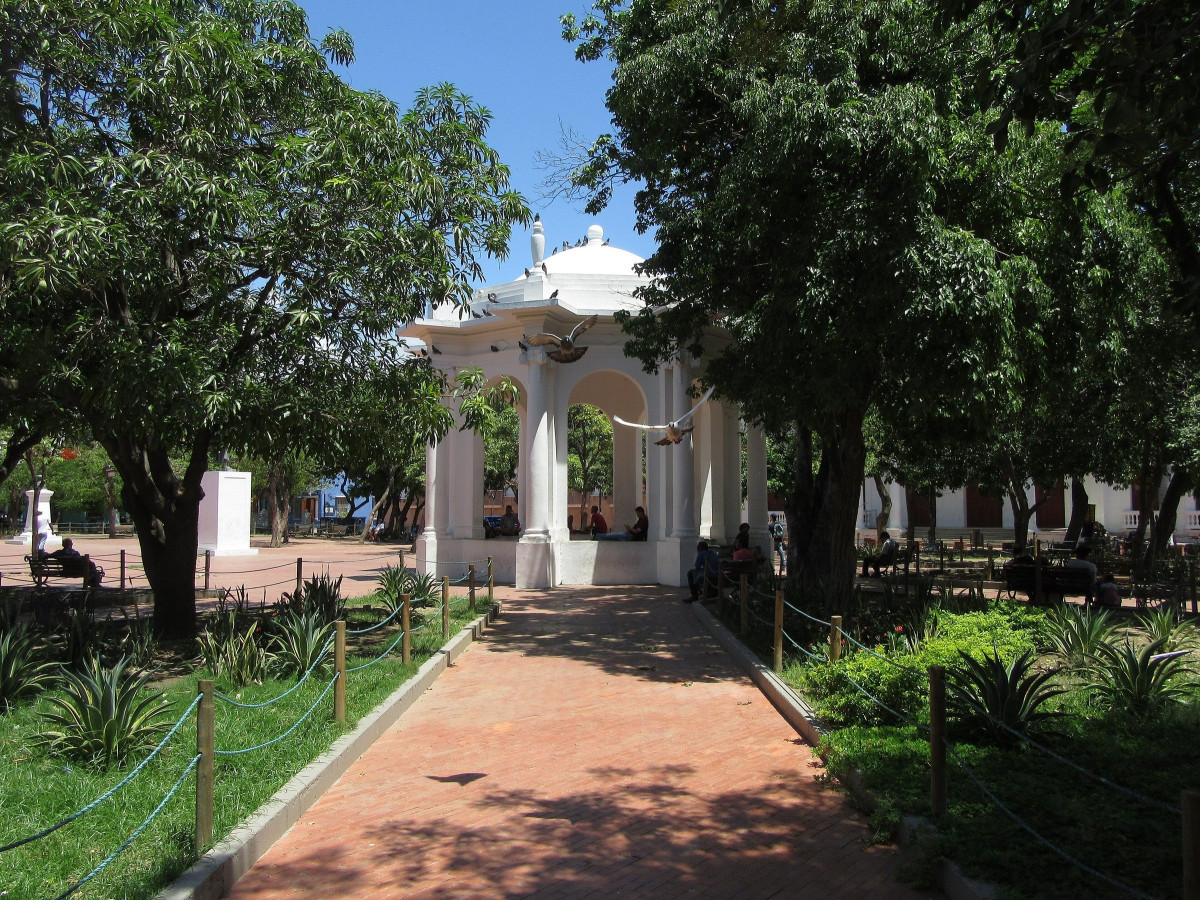
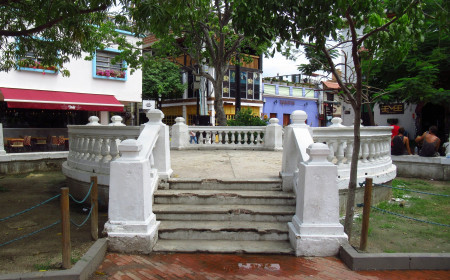
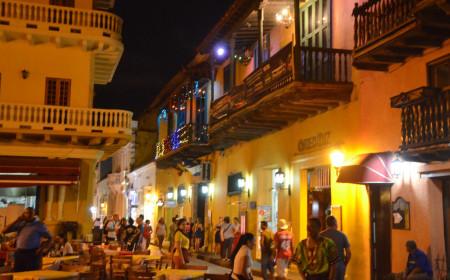
Parque de los Novios is the living square of the Center: a traffic circle, trees, outdoor tables and the city’s nightlife. You get there walking from the Cathedral or from the Camellón in a few minutes. It is not an open-air museum. It is the place where Santa Marta has dinner, talks and stays late.
The plan is simple: walk around the square, look at the façades and choose a terrace if you feel like staying. Several of the tables on our restaurant list are a block away. If you only want to walk, half an hour is enough; if you sit down, the night stretches on its own.
It is a neighborhood of residents and tourists at the same time. Keep the volume down, ask permission before photographing someone at their table and do not block the sidewalks with the group.
4. Plaza de Bolívar and the civic edge
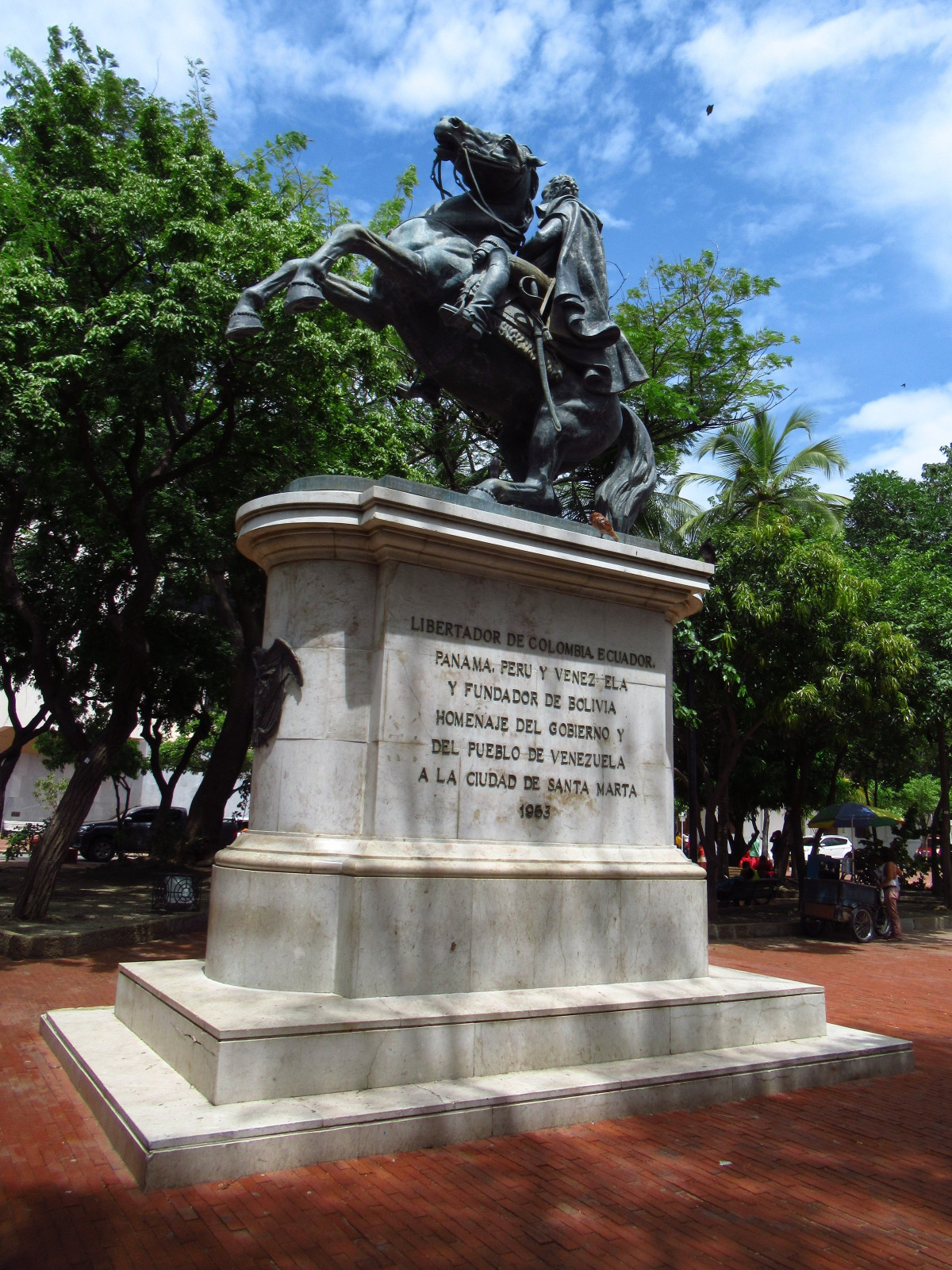
Plaza de Bolívar organizes the civic side of the Center: the equestrian statue, the shade of the trees and, a few steps away, institutional buildings and the surroundings of the Casa de la Aduana. This stretch is done on foot and connects naturally with the Camellón and with the Cathedral.
It is not about ticking monuments off a list but about understanding how the old town is put together: civic square, bay and commercial street. You can pass in front of the Casa de la Aduana without going in; the visit to the Tairona Gold Museum, which operates inside, we cover separately in the activities.
Mid-morning or mid-afternoon is enough. Bring water: even though there are trees, the Santa Marta heat does not forgive.
5. El Rodadero along the shore
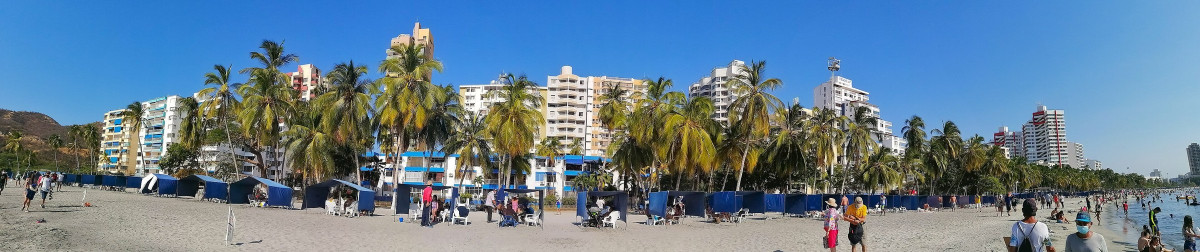
Towers, a waterfront, chairs on the sand. El Rodadero is Santa Marta’s urban beach, a few minutes from the Center, and it is the sector with the most hotels in the city. Arrive by city bus or by taxi; walking from the Center under the midday sun does not make sense.
Once there, the walk is the shoreline. Walk the beachfront from one end to the other, notice how the amount of people changes and finish on a terrace if you feel like it. There is no colonial old town here: this is the Santa Marta of Colombian family holidays.
Go early or at sunset. At midday the beach fills up and there is almost no shade between the buildings. If you want to stay in the area, among the hotels there are several options facing the sea.
6. Taganga on foot: the village and the lookout
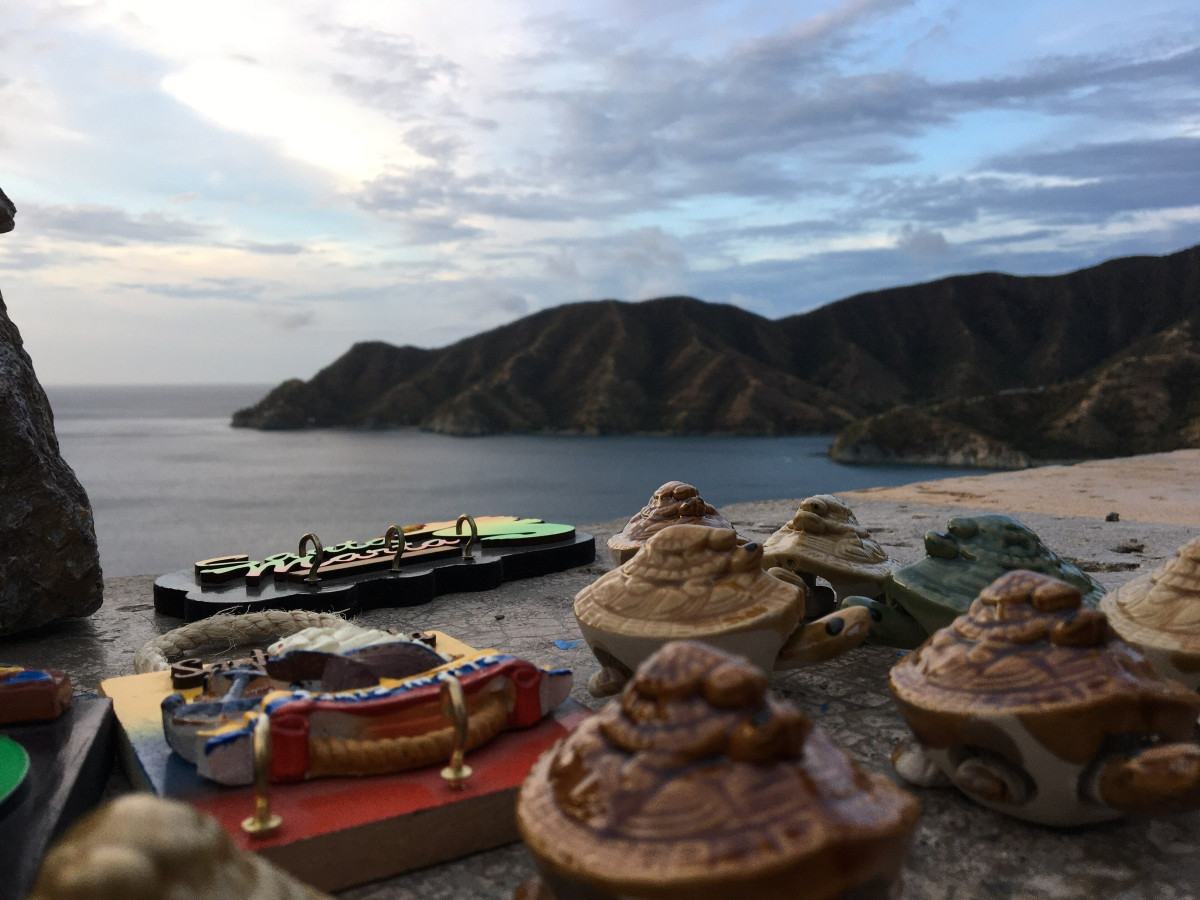
Taganga is a fishing village a short distance from the Center, in a cove closed by dry hills. You arrive by city transport or taxi. This walk is the village on foot: the shoreline, the boats, the steep streets and the lookout with a view of the cove.
It is not the same as diving (that is in the activities) or taking a tour to far-off beaches. Here you walk, you look at the rhythm of the artisanal port and you sit down to watch the water. The village beach is usually busy; the value of the walk is in the profile of the bay and in the short climb to the lookout.
Do it by day. At sunset it is better to go back to the Center or stay in areas with people; ask at your lodging about the safety of the stretch you are going to walk.
7. The trail from Taganga to Playa Grande
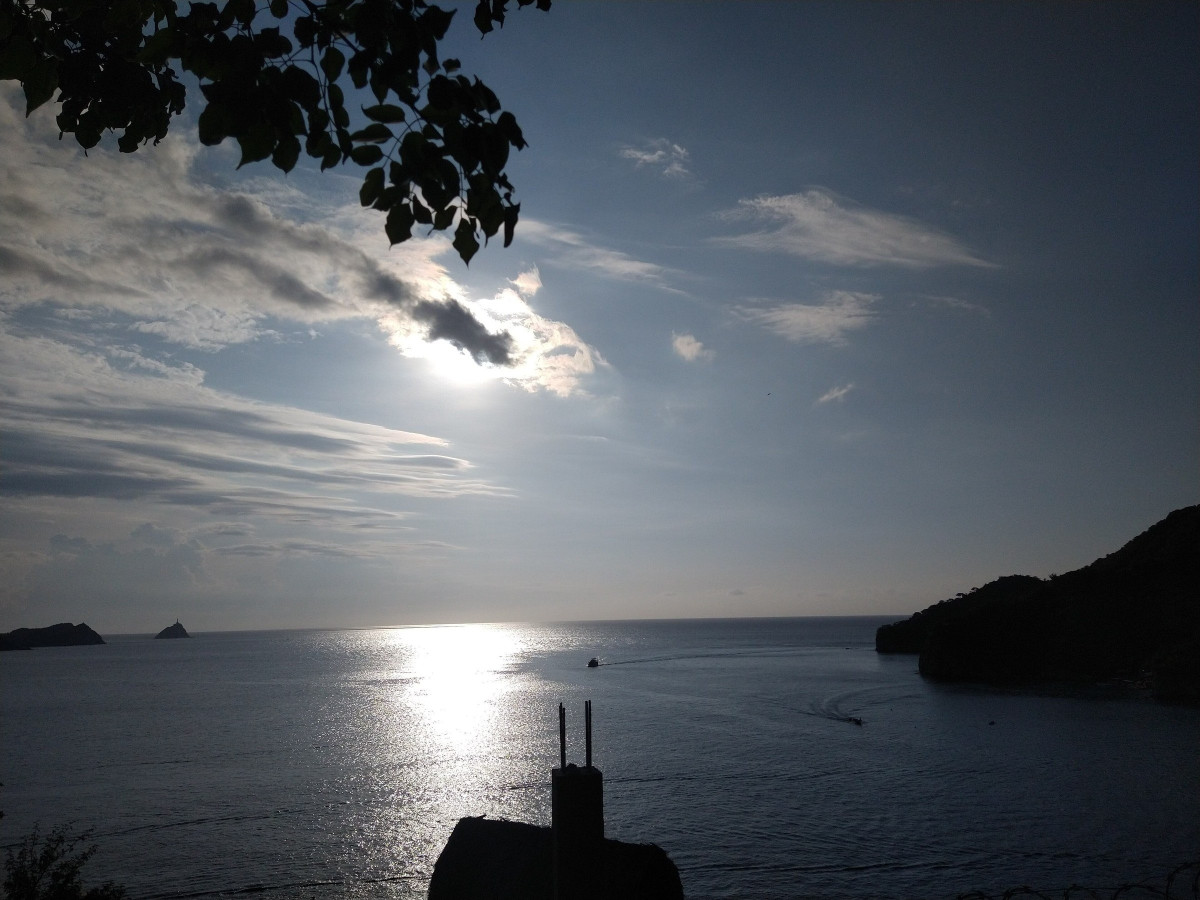
From Taganga a coastal trail leaves toward Playa Grande, the more open cove of the inlet. You walk it in about 30 to 45 minutes depending on the pace and the heat. There is also a boat, but here we are talking about the route on foot. It is not Playa Cristal or Cabo San Juan: those entries to Tayrona we cover in the tours.
Bring closed shoes, water and sunscreen. The path is uneven, exposed to the sun and is best done with company. Start early; avoid the late afternoon and night. If the sea is rough or they tell you the trail is closed, do not insist: go back and take a boat or change the plan.
Playa Grande fills up on weekends. The prize is the view of the bay from the high stretch of the path, not the solitude of the sand.
8. The pedestrian Calle 19 and the Center on foot
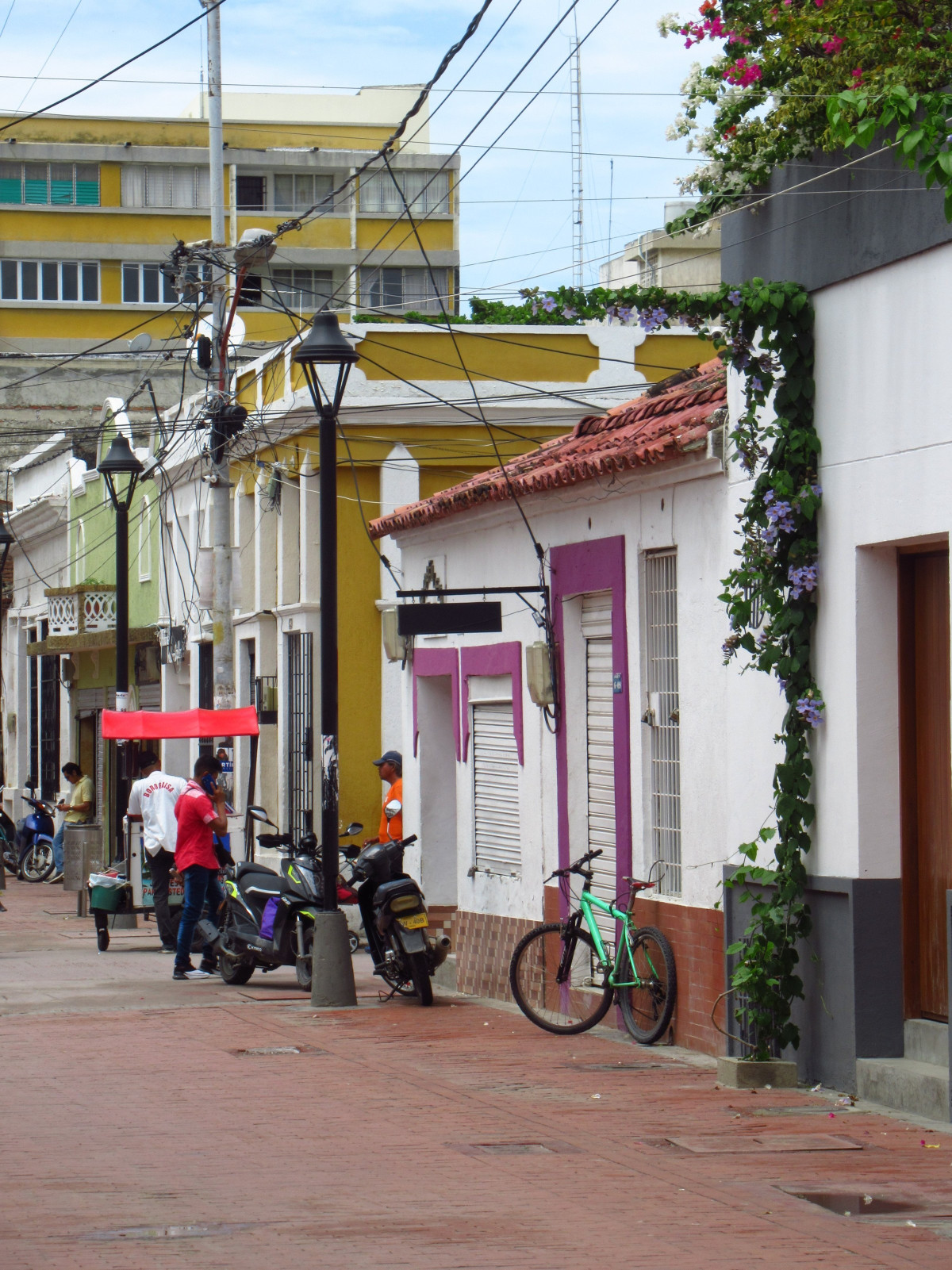
Calle 19 concentrates the clearest pedestrian stretch of the Center: low façades, shops, cafés and the natural crossing toward Parque de los Novios and toward the sea. It is the short walk for anyone who arrives on the first day and wants to feel Santa Marta without yet going out to beaches or to the Sierra.
Walk it from Carrera 5 toward the water or the other way, stop at the doorways and use this axis to link the Cathedral, Novios and the Camellón without a complicated map. On this same street or a block away are several tables from our restaurant list.
Like the rest of the old town, it works better in the cool morning or at the end of the afternoon. Keep your phone put away on little-used stretches and ask at your hotel which blocks are better avoided at night.