
The mangroves of Old Point in San Andrés: why visit them and how to do it well
The mangroves show a part of San Andrés that usually stays behind the beaches. They work as a refuge and nursery for species, help stabilize the coast and connect land and marine environments.
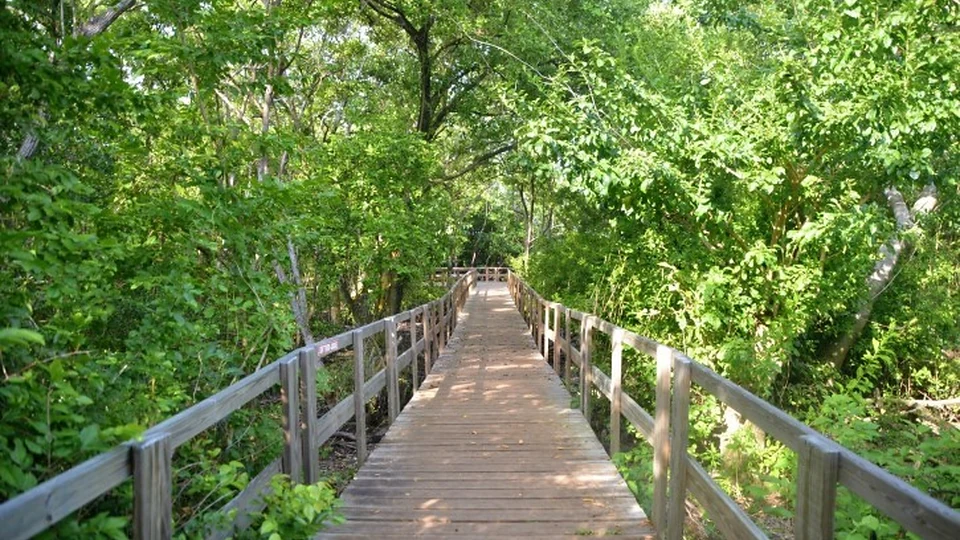
The mangroves of Old Point in San Andrés
The mangroves show a part of San Andrés that usually stays behind the beaches. They work as a refuge and nursery for species, help stabilize the coast and connect land and marine environments.
What to expect
According to the available route, the visit can be made on trails, by kayak or as part of a boat route. Confirm the entry point, duration, physical level, sun exposure and whether the outing includes environmental interpretation.
Why a guide is worth it
Without explanation, the visitor may see only a green mass. A good guide helps distinguish species, roots, birds and ecological processes without promising sightings that depend on nature.
How to reduce the impact
- Keep your voice moderate and a distance from wildlife.
- Do not feed animals or pull off leaves.
- Avoid single-use plastics.
- Do not leave authorized trails or routes.
- Use responsible insect repellent and clothes that cover the skin.
Responsible photography
Do not bring the kayak or boat closer to force an image. Turn off sounds, avoid flash on animals and do not share sensitive locations if the guide advises against it.
Combining the visit
Old Point can be integrated with a day on land or certain bay tours. Check whether another outing already includes it so you do not pay twice for a brief stop.
Check ecological experiences in San Andrés
Sources consulted
- SanAndres.travel: Old Point Mangrove Regional Park.
- CORALINA, environmental authority of the archipelago.