
What to eat in San Andrés: dishes, drinks and flavors of Raizal culture
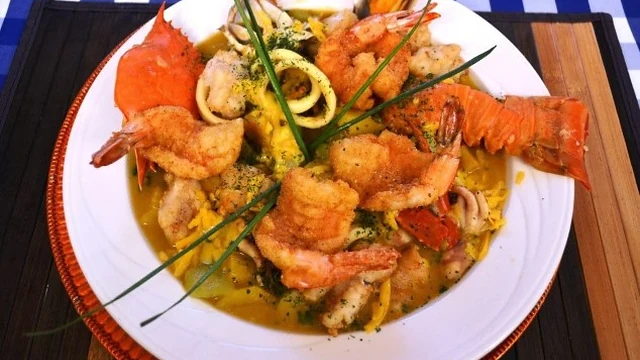
Eating in San Andrés should not be reduced to ordering fish in front of the sea. Raizal cooking brings together family memory, marine products, coconut, tubers, spices and techniques passed down between generations.
What to eat in San Andrés: dishes, drinks and flavors of Raizal culture
Eating in San Andrés should not be reduced to ordering fish in front of the sea. Raizal cooking brings together family memory, marine products, coconut, tubers, spices and techniques passed down between generations.
The Government and the Guardians of Traditional Raizal Cuisine project highlight ingredients such as breadfruit, coconut and fish, as well as the historical value of rondón.
Dishes and preparations to recognize
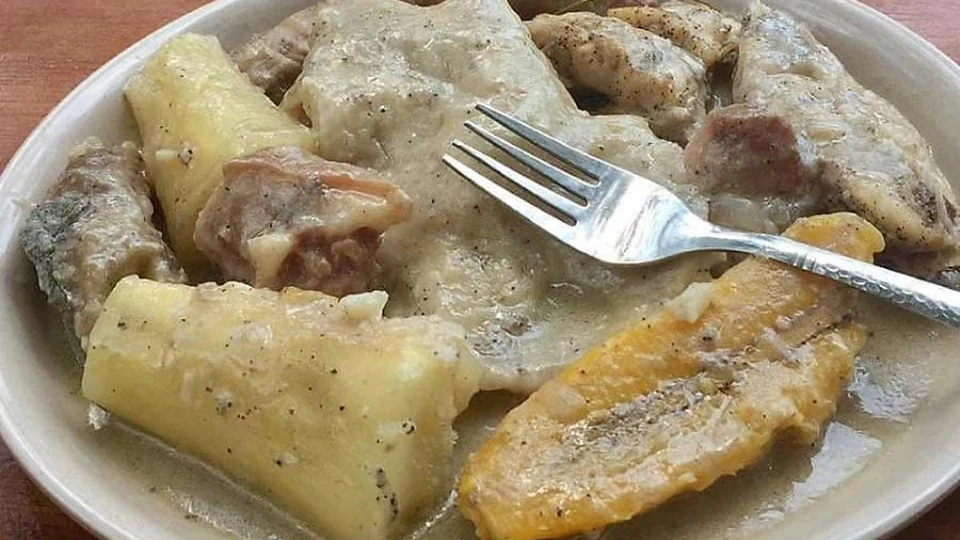
Rondón
It is an abundant, unhurried stew that can bring together fish, conch or other proteins with cassava, yam, plantain, dumplings and coconut milk. There is not a single version: the recipe changes according to the family, availability and tradition.
Fish ball
Fish balls appear as a sample of everyday cooking and of making the most of the marine product. Ask about accompaniments and the house preparation.
Crab soup
It is one of the preparations mentioned in the traditional offering of The Cove. Its availability can depend on season, regulation and supply.
Journey cake
A small bread associated with the island tradition, useful for understanding that local gastronomy goes far beyond seafood.
Breadfruit and coconut
Breadfruit can appear fried, cooked or as an accompaniment. From coconut come milk, water and oil; it is a base of both savory and sweet flavors.
Drinks and sweets
Look for preparations such as sorrel, juices with fruit and spices, banana cake and coconut products. Confirm the sugar or alcohol content according to your needs.
Where to look for traditional cooking
- Fair Tables and community kitchens.
- Ventures of Raizal women and families.
- Restaurants that identify their cooks and explain the origin of the dishes.
- Areas such as The Cove, where gastronomic spaces linked to the community operate.
Not every business that uses the word “typical” offers the same relationship with tradition. Ask who cooks, what preparation the house recommends and whether the dish requires an advance order.
What they normally do not tell you
- Rondón may need advance preparation and not be available every day.
- The availability of marine species changes; an absence does not necessarily mean a poor offering.
- A simple table can offer a greater cultural connection than a restaurant designed for photographs.
- “Caribbean food” is not automatically equivalent to Raizal cooking.
- The best way to support the tradition is to pay a fair price and treat the preparation as knowledge, not as an exotic curiosity.
How to order with respect and eat better
- Ask which is the dish of the day.
- Confirm size and accompaniments before ordering.
- If you have allergies, explain them clearly and do not assume ingredients.
- Ask for the final price, especially for products by weight or availability.
- Avoid negotiating aggressively with small kitchens.
- Ask about the history of the dish only when the team has time to talk.
Sources
- Government of the Archipelago, Guardians of Traditional Raizal Cuisine project.
- Government of the Archipelago, reopening of Fishermen’s Place in The Cove, December 2025.
- Government of the Archipelago, gastronomic showcase at ANATO 2026.
- Secretariat of Risk Management, description of island gastronomy, consulted on 27 August 2026.