
The 6 best routes in Bogotá
Six walking routes in Bogotá: La Candelaria to the Chorro de Quevedo, the pedestrian Carrera Séptima, the brick houses of Teusaquillo, the village of Usaquén, the Central Cemetery and the Quebrada La Vieja trail in the hills. Where to start, what time to go and what you have to reserve.
1. La Candelaria to the Chorro de Quevedo
Bogotá walks better than its reputation says, as long as you choose the neighborhood and the hour well. These are the best routes in Bogotá to do on your own, with comfortable shoes and a jacket in your bag, because here the sun at ten turns into drizzle at eleven. We prefer neighborhoods that are different from each other to six loops around the same center.
The plans with a ticket (museums, Monserrate, theatre) are in the best things to do in Bogotá, and what you do with a guide and an operator, in the best tours in Bogotá.
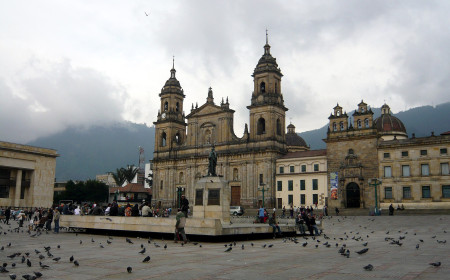
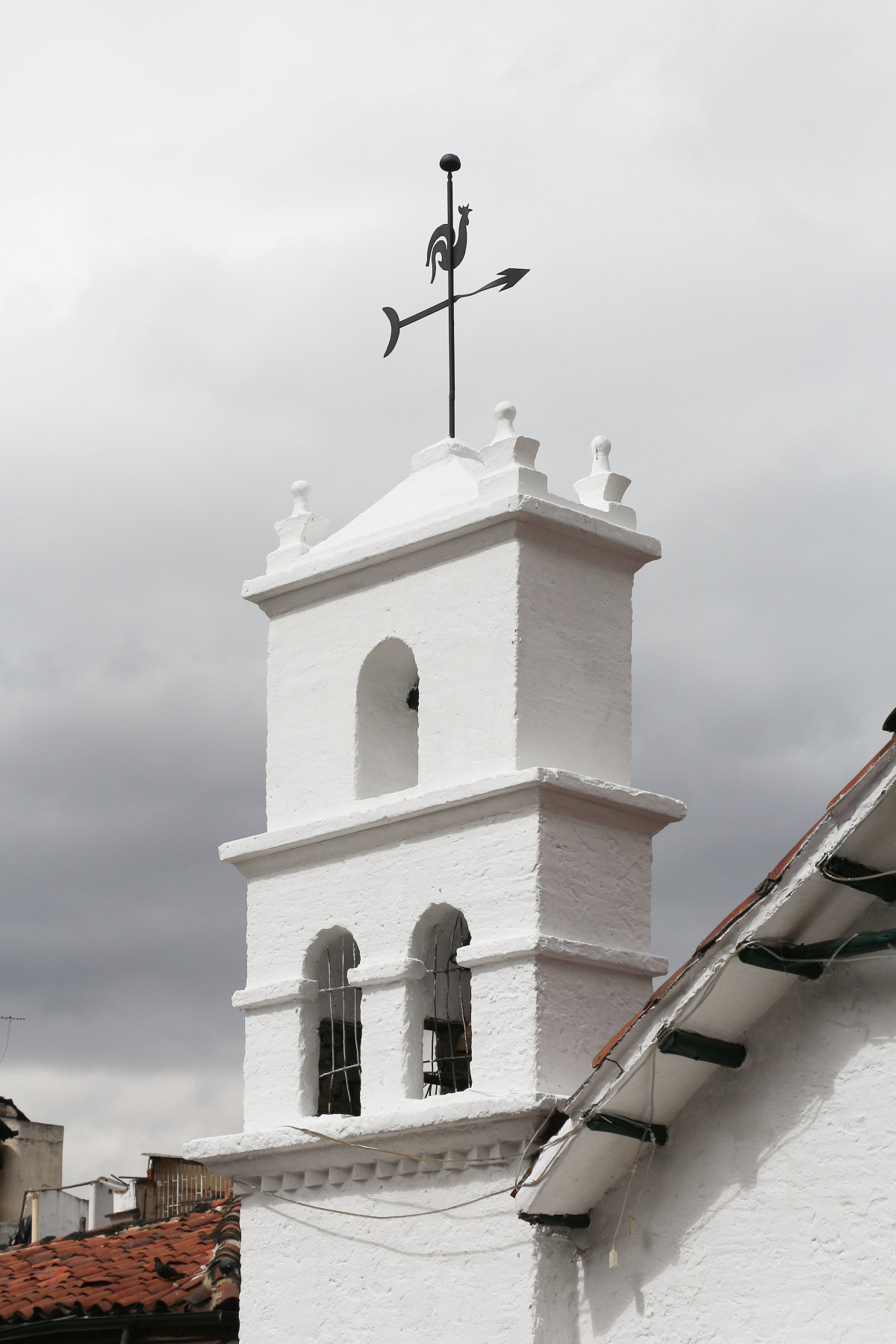
Everyone starts in Plaza de Bolívar, but the good part begins when you go up Calle 11 or 12 toward the east. Houses with balconies, the Gabriel García Márquez Cultural Center, the Colón Theatre and, higher up, the Chorro de Quevedo: a small square with a white chapel, where tradition says the city was founded. From there the Embudo alley leaves, with chicha bars and storytellers.
If you want calm, go during the day and on a weekday; on Friday afternoons the Chorro fills up. Put the phone away when you are not using it and don’t go down the emptier alleys when it gets dark.
2. The pedestrian Séptima, from Plaza de Bolívar to Calle 24
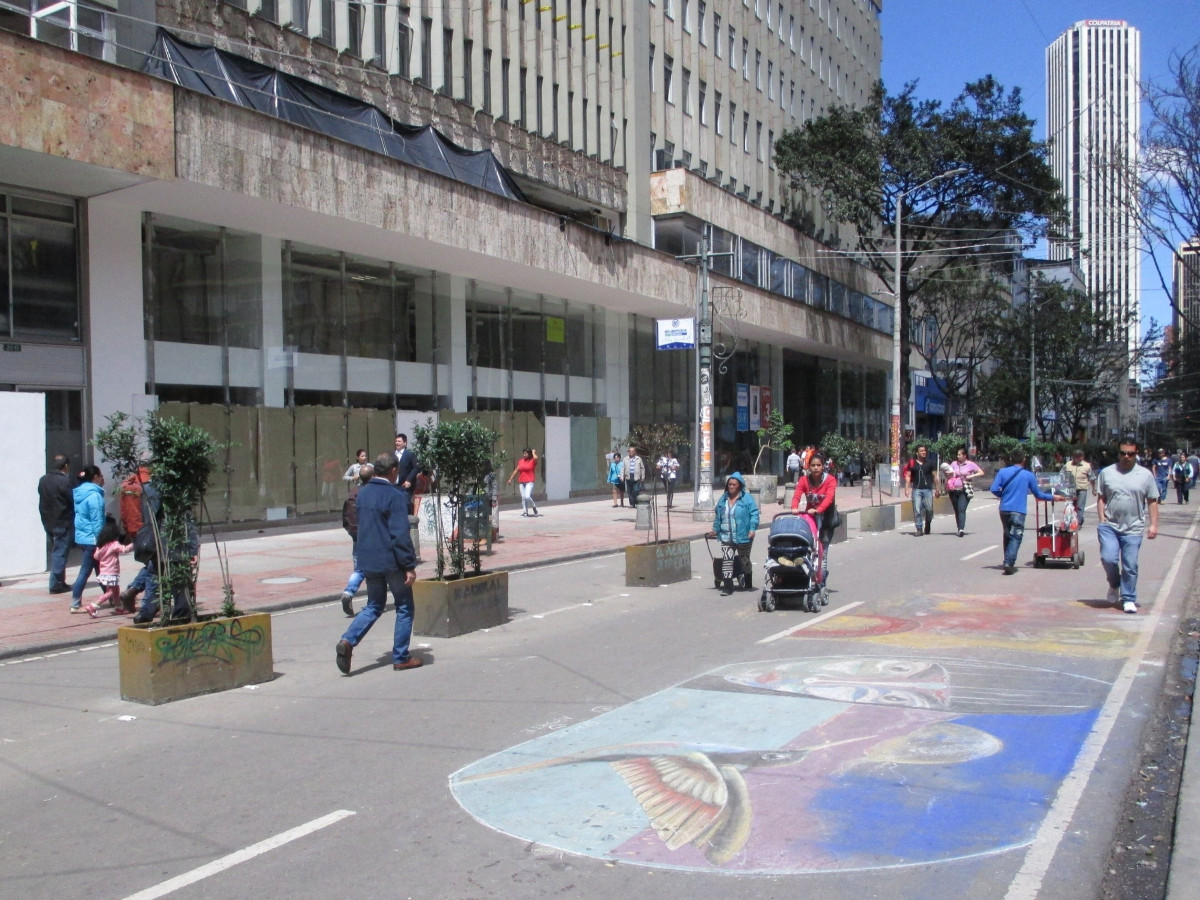
For decades, Carrera Séptima was the country’s main street, and its pedestrian stretch between Calle 11 and 24 is still the best free class in urban history in Bogotá. In a few blocks you pass the Primatial Cathedral, the Casa del Florero, the church of San Francisco with its golden altar, Avenida Jiménez and the Avianca building.
It is a living street, with vendors, musicians and human statues, and that is part of the point. At Calle 16 you have the Gold Museum, and at the end, on 24, the Colpatria Tower. Start early in the square and walk north.
3. Teusaquillo and its brick houses
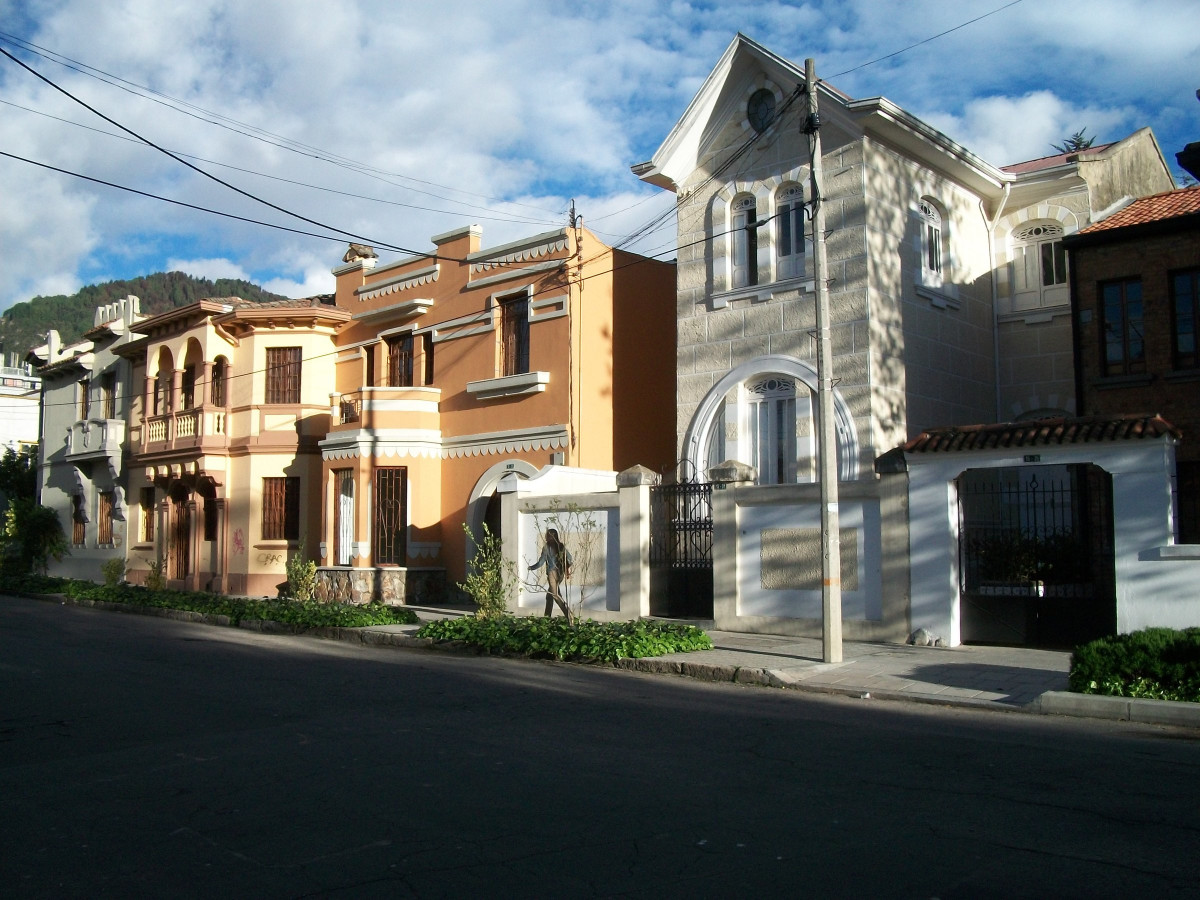
Ask a bogotano where you can see the city of the thirties and forties and they will almost surely say Teusaquillo. Streets with front gardens, brick houses with slate roofs, some with an English air and others neocolonial, several turned into cafés, publishing houses or collective spaces.
There is no official entrance. An easy way is to leave the Parkway, in La Soledad, and go down the streets between 34 and 45, between Carreras 15 and 24. Do it in the morning or at the beginning of the afternoon, without a rush, and finish with a tinto in one of the neighborhood cafés.
4. Usaquén, the town the city swallowed
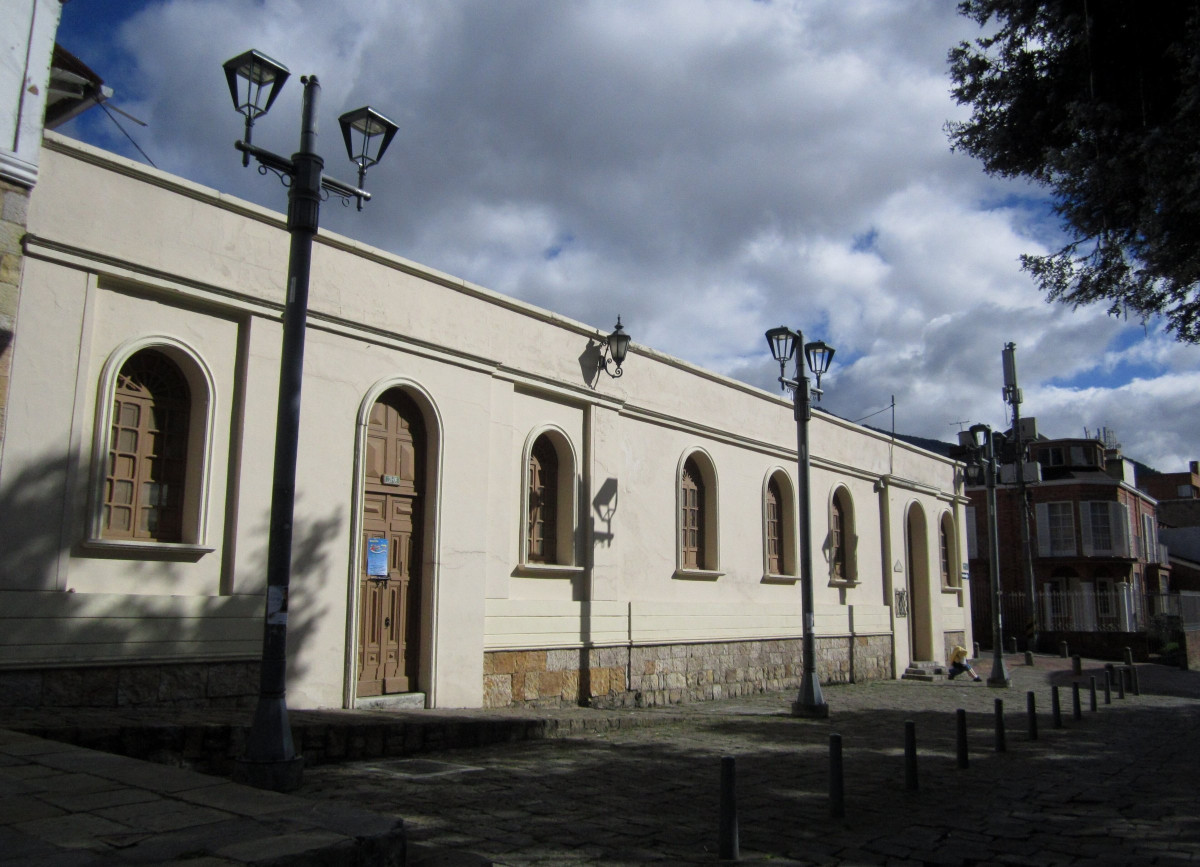
Usaquén was a separate municipality until 1954, and you can still tell: a square with a church, low houses and cobbled streets in the north of a city that grew around it in towers. On Sundays there is a flea and crafts market, and the atmosphere changes completely.
For photos and silence, early Saturday. For movement, Sunday. The old train station, a few blocks away, is the stop of the Tren de la Sabana toward Zipaquirá on weekends, which we cover in the best tours in Bogotá.
5. The Central Cemetery and the murals of Calle 26
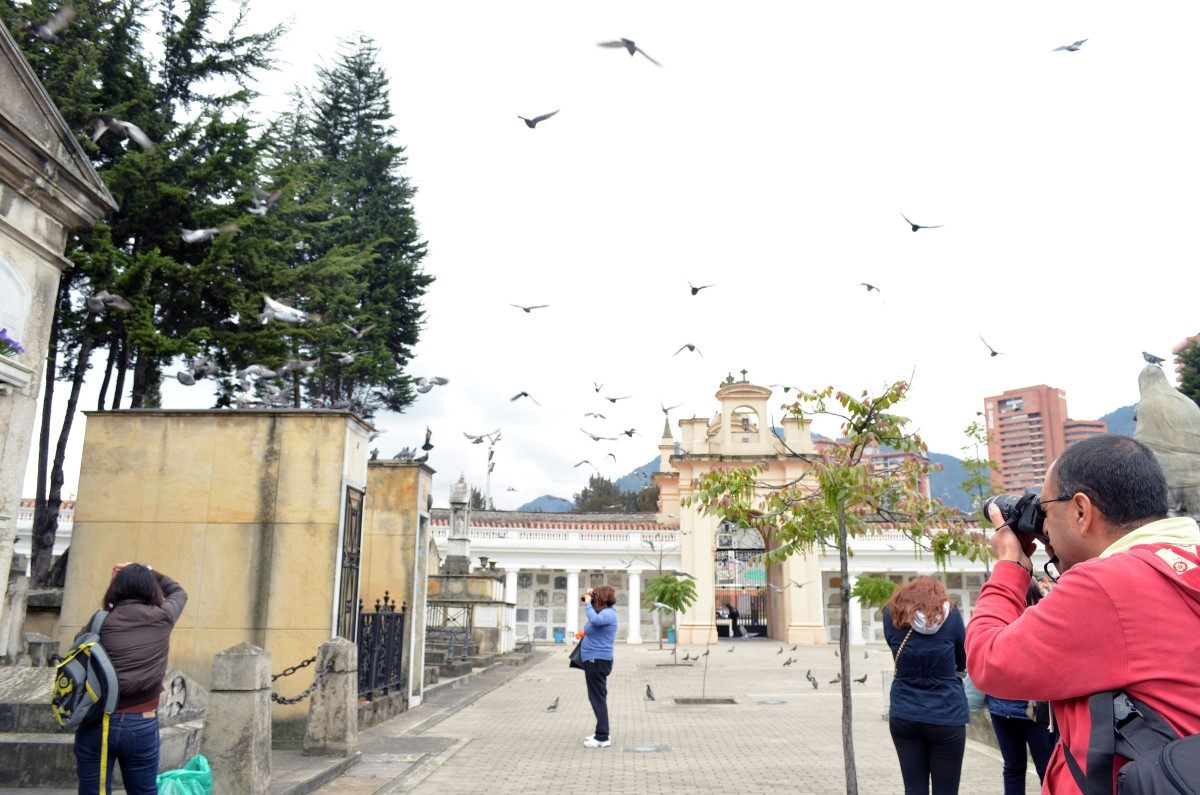
It sounds like an odd plan, but it is one of the ones that teach the most about the city. The Central Cemetery, next to Calle 26 at Carrera 20, has mausoleums of presidents and of families that ran the country. And there is the tomb of Leo Kopp, the founder of Bavaria, where people still whisper requests into the statue’s ear.
Next to it begins the corridor of Calle 26, one of the largest graffiti walls in Bogotá, which you walk westward. Go during the day, on a weekday or on Saturday, and check the cemetery hours before you arrive. If you want to understand Bogotá graffiti with someone who knows the artists, the Bogotá Graffiti Tour is among the best tours in Bogotá.
6. The Quebrada La Vieja trail
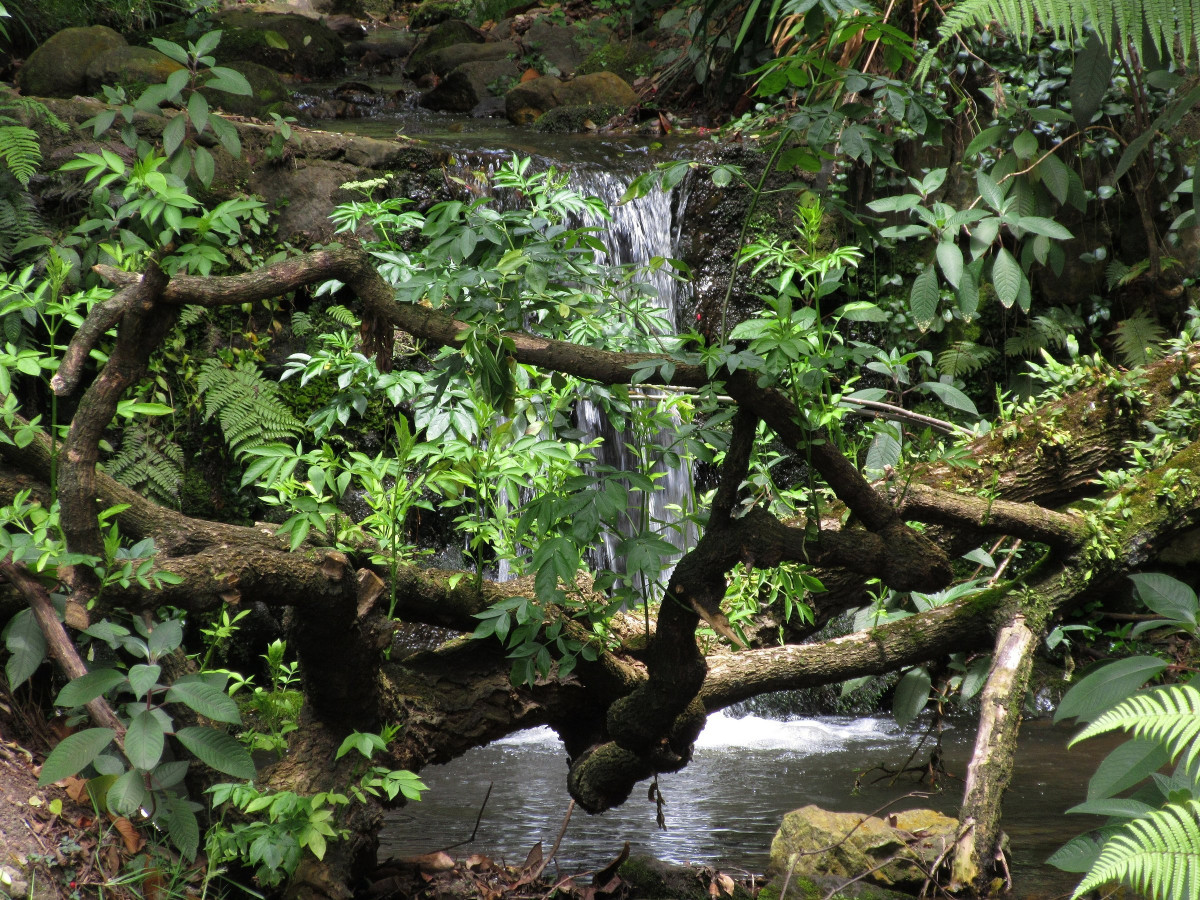
It is the escape of bogotanos who get up early. The Quebrada La Vieja trail climbs from Calle 71 with Avenida Circunvalar, in Chapinero, through Andean forest and with the water sounding beside you. Depending on the stretch, it reaches lookouts over the city or continues toward the páramo.
Without a reservation you don’t get in. It is free and you make it with Bogotá’s water utility at caminos.eaab.gov.co or in the Caminos de los Cerros Orientales app, choosing the stretch, the date and the time. It is open Tuesday to Friday from 6 to 11 in the morning, and on weekends and holidays until midday. Mondays it is closed and pets are not allowed. Bring water and a rain jacket, because in the hills the weather changes in minutes.