
The 10 best routes in Cartagena
Ten routes around Cartagena to walk on your own: squares, walls, Getsemaní, San Diego, Manga and urban promenades, with times and precautions.
1. Monumental center: from the Clock Tower to Santa Teresa
Cartagena changes when you stop chasing stops and choose a path. Inside the walls there are squares to sit in; on the other side, a neighborhood that is still someone’s home, a bay where people work and promenades where the city comes out to walk. To join those points you do not need to pay for an excursion, but you do need to account for the heat. These are the best routes in Cartagena to do on your own, and you do not have to do all ten.
If you have just arrived, start with the monumental center. Leave Getsemaní for another outing and an afternoon for the walls. The times we give are walking with pauses, not counting transfers or visits inside. Bring water, sunscreen and a downloaded map. If a downpour falls, there is a thunderstorm or the heat is doing you harm, change the plan: no one is going to give you a prize for finishing. And keep in mind that sidewalks, crossings and historic entrances are not accessible from end to end.
To organize the nights, see Cartagena for the first time and our best hotels. If you prefer to go with a guide, there are the organized tours; the boat and yacht trips and the activities will sort out other days, and for a food break, the restaurants of Cartagena.
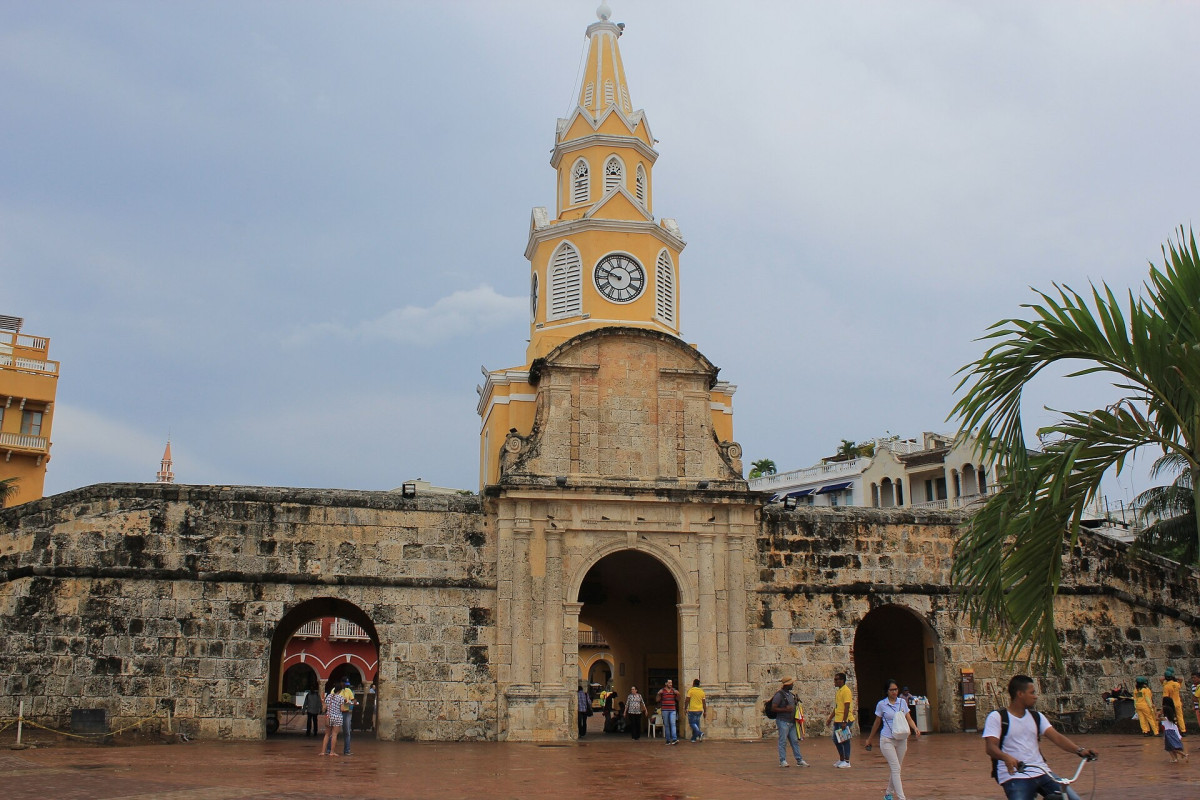
Enter through the Clock Tower and do not stay in Plaza de los Coches, which is only the beginning. Continue to Plaza de la Aduana, look for the façade of San Pedro Claver and take the streets toward Plaza de Bolívar, with the Cathedral beside it. From there continue to Santo Domingo and finish in Plaza de Santa Teresa. Save those points on the map and, between one and another, choose the street with more shade.
It is two or three hours, better early. The point is to see how everything changes from the commercial square at the entrance to the church façades and the civic spaces, and not to photograph the same balcony ten times. Everything is seen from outside; going into churches, museums or courtyards is separate. In the sun, a short distance becomes long, so truly stop at some point. From Santa Teresa you can go back to the hotel or leave the walls for another day.
2. The seaward walls: Santo Domingo, La Merced and Las Bóvedas
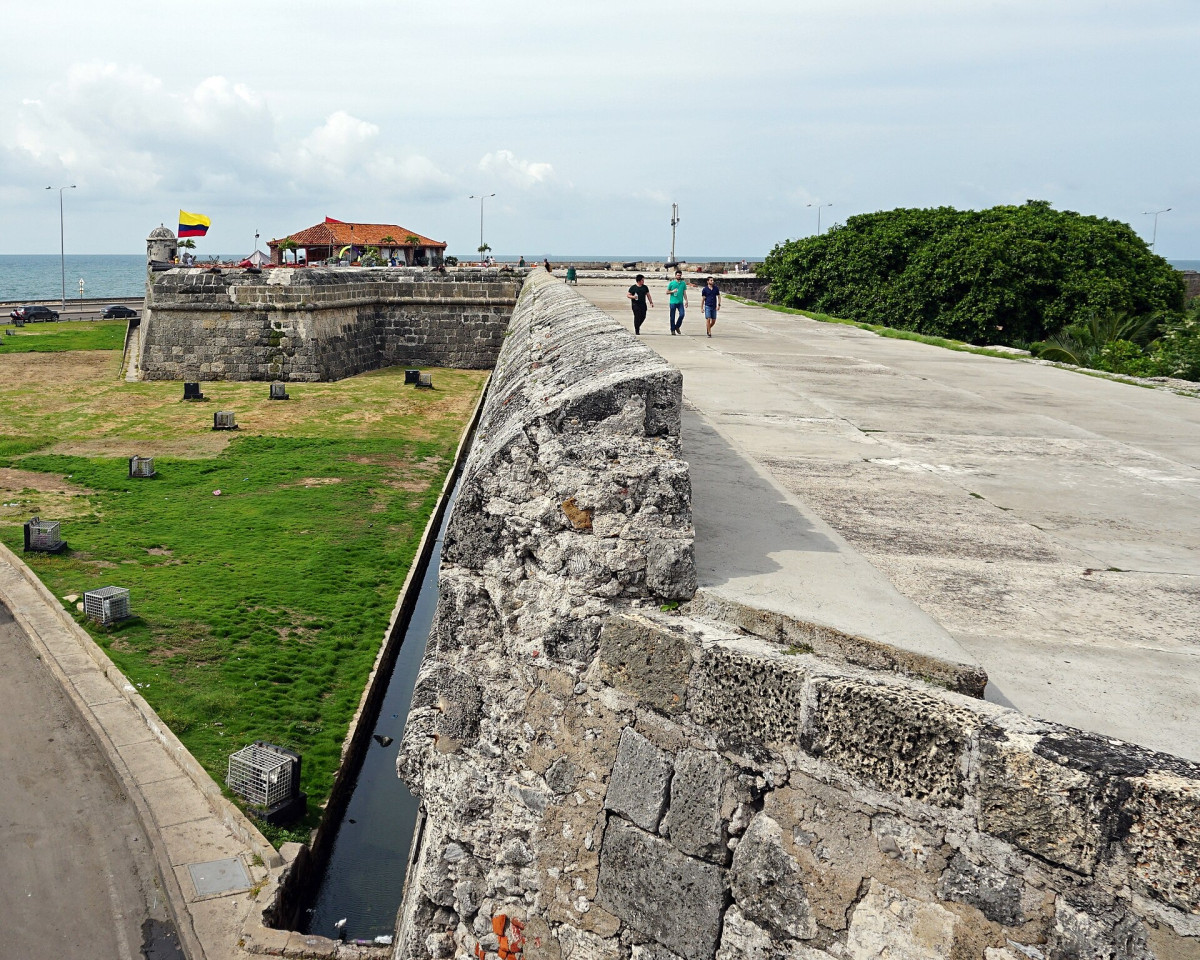
This one goes along the edge. Start at the Baluarte de Santo Domingo and continue toward La Merced, and from there along the open stretches of the northern front as far as Santa Catalina and Las Bóvedas. Outside you have the sea; toward the inside appear rooftops, courtyards and streets that from below seemed loose.
Count on an hour and a half or two hours with stops. At the end of the afternoon it is more bearable, although there are more people. Walking the walls is free; buying something or sitting at a bar is optional.
It is not an even walkway: there are closed passages, uneven stretches and parts without a railing. If you find a closure, go down to the street and go back up only through a permitted access. Do not climb onto the parapet for the photo. With children, hold their hands and watch the edge. In a thunderstorm, do not walk on the uncovered stone.
3. Getsemaní at a neighborhood pace: from La Sierpe to Plaza de la Trinidad
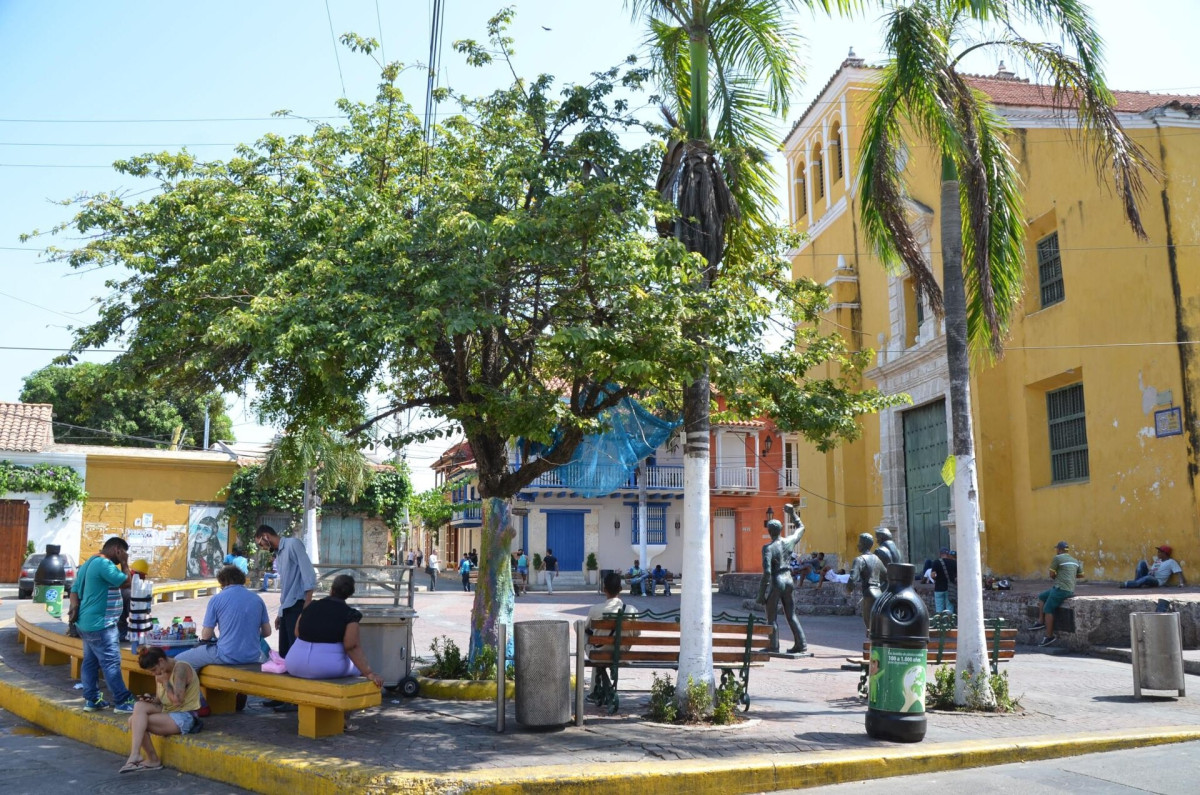
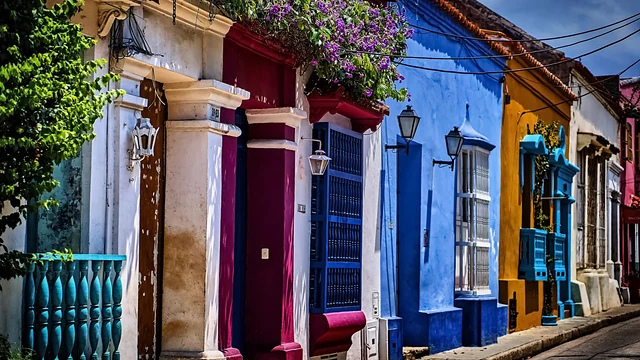
Start at the corner of Calle de la Media Luna and Calle de la Sierpe. Walk La Sierpe looking at the walls, continue to Plaza de la Trinidad, take Calle de San Juan and come back along the nearby streets as far as the church. With that short circuit you understand something a list of murals does not tell: here the art shares a wall with house doors, shops and neighbors talking.
An hour and a half without a rush, two if you stop often. By day you see the façades better; as the afternoon falls the square changes and fills up. In a neighborhood with so much nightlife, you are not going to find silence.
The murals change, so do not expect to see a particular one. Ask permission to photograph people, do not block the doors and do not put the camera through the windows. If someone offers you a photo, food or a show, ask first whether they charge.
4. San Diego among squares, convents and the arches of Las Bóvedas
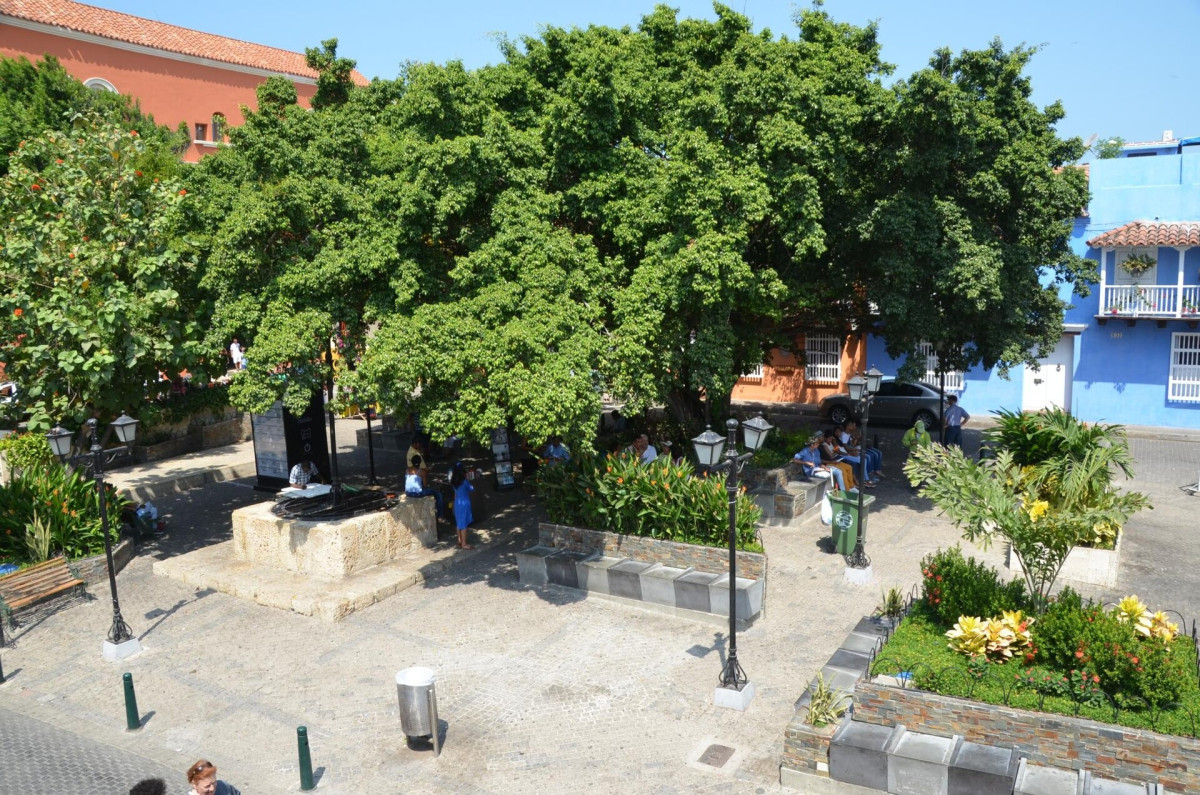
Another way of being inside the walls without repeating the monumental center. Start in Plaza Fernández de Madrid, next to Santo Toribio, and continue along Calle del Curato as far as Plaza de San Diego. From the street look at the former convent of Santa Clara and Bellas Artes, and finish below, at the arches of Las Bóvedas.
An hour and a half or two hours. A convent today may be a hotel or a university, so do not expect to go in; if you want to see an interior, check its program. Notice how the balconies shade the façades and how a block changes at lunchtime. San Diego has quiet corners, with no guarantee. Do it at the end of the afternoon and then choose where to sit.
5. Manga facing the bay: from Pastelillo to the Miramar promenade
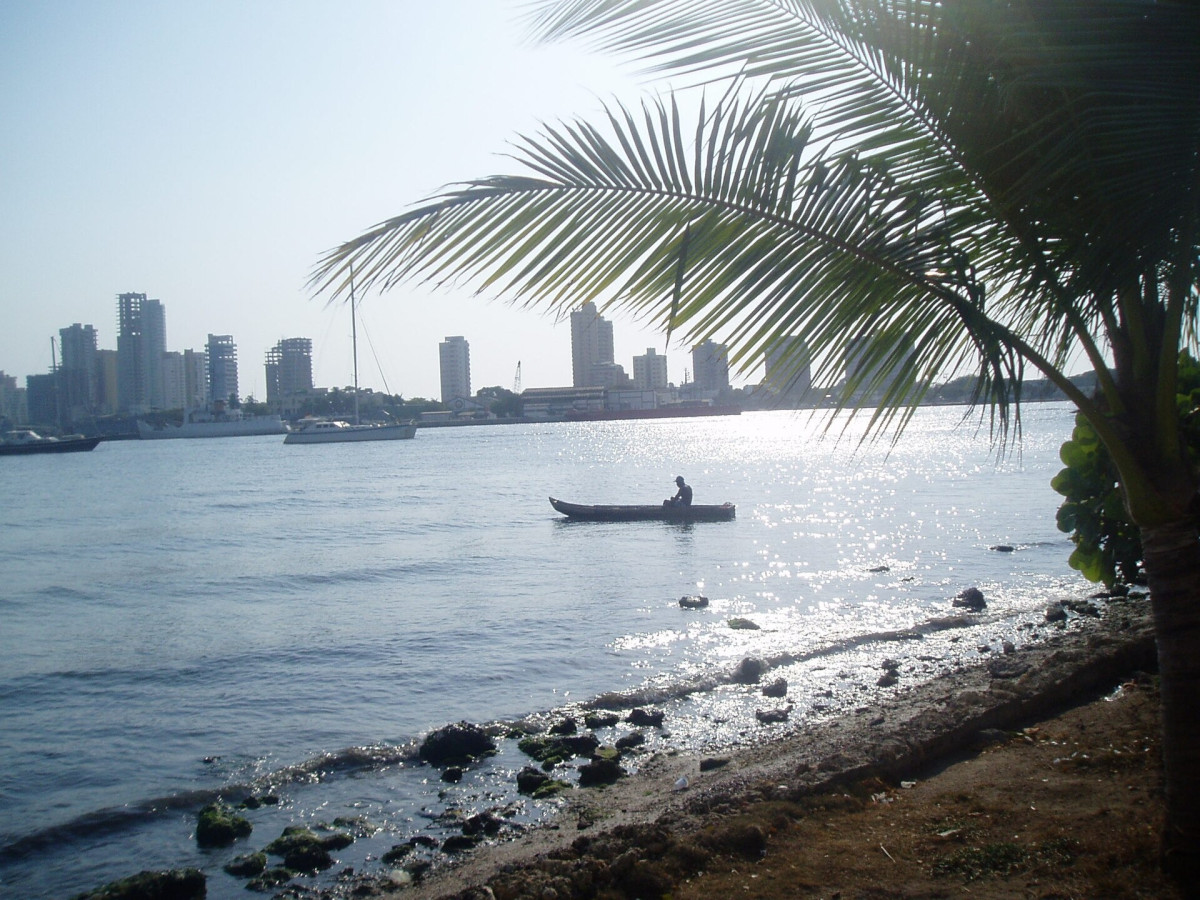
To change Cartagena, cross to Manga. From Getsemaní you arrive over the Puente Román, by the pedestrian crossing, or by taxi if you do not want to walk more. Start outside Fuerte de San Sebastián del Pastelillo and continue along the bay promenade beside Avenida Miramar. Walk the public stretch and come back along the same side; it is not a circuit of the whole island.
In an hour or an hour and a half you look at sailboats, residential buildings and, in the distance, the port in motion. There are places to sit and people exercising. Here it is not about adding monuments but about seeing a city that also works on the water.
Go by day, when the heat eases, and arrange the return from where you finish. Clubs, restaurants and private docks are not part of the route, and the fort is not always open.
6. Bahía de las Ánimas: Camellón de los Mártires, Pegasos and La Marina
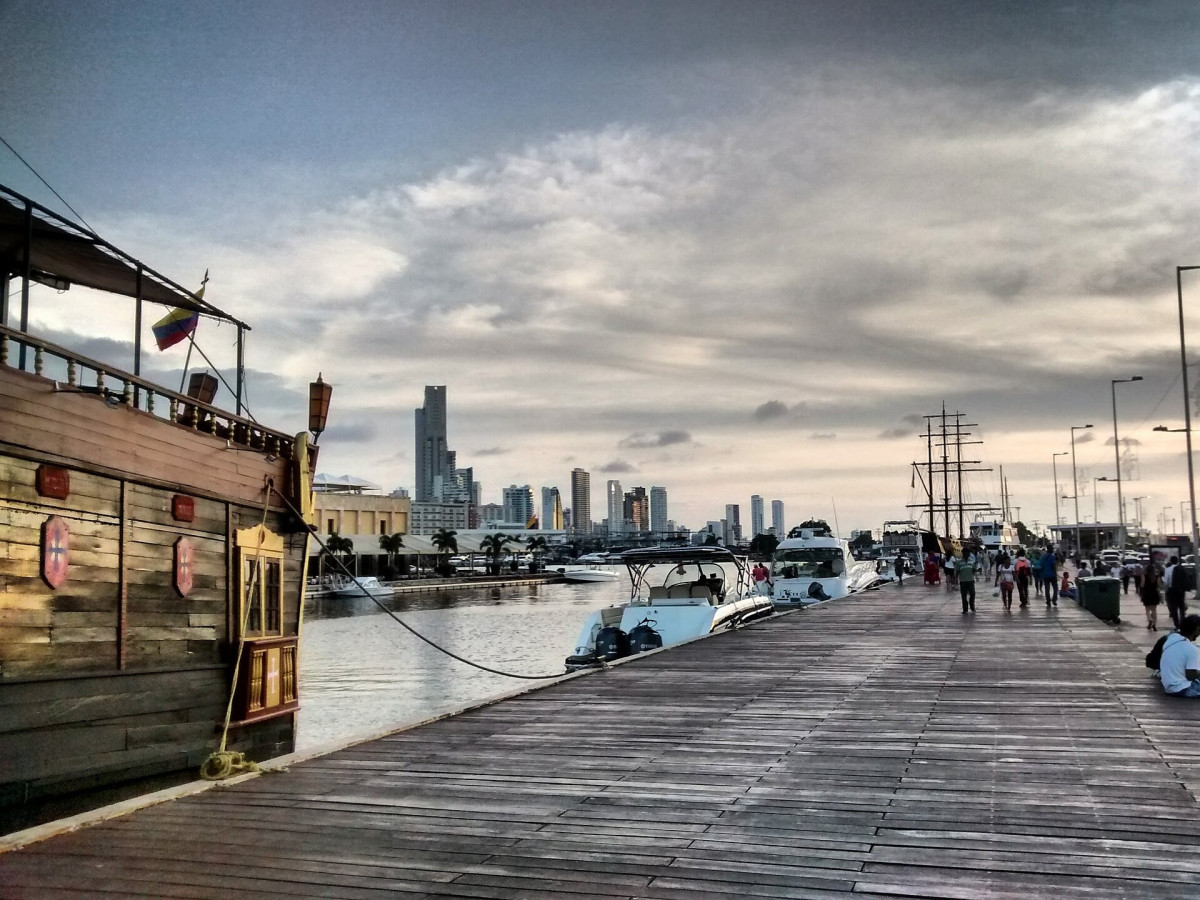
This one stays outside the walls. Leave from the Camellón de los Mártires, with the Clock Tower in front, and cross by the pedestrian crossing as far as Muelle de los Pegasos. Then follow the edge of Bahía de las Ánimas toward La Bodeguita and Parque de la Marina.
From 45 minutes to an hour and a quarter. It is a good first look at the water: monuments and wall on one side, boats and modern buildings on the other. There is more traffic and passengers than in the romantic photo of an empty waterfront, and that is exactly why you understand how tourist Cartagena works.
Stay in the public areas, respect the operating areas of the docks and use the crossings even if it seems shorter to cut across the avenue. If there is a boarding or a closure, finish at Pegasos and leave the park for another day.
7. El Cabrero: Parque Apolo, the hermitage and Rafael Núñez’s house
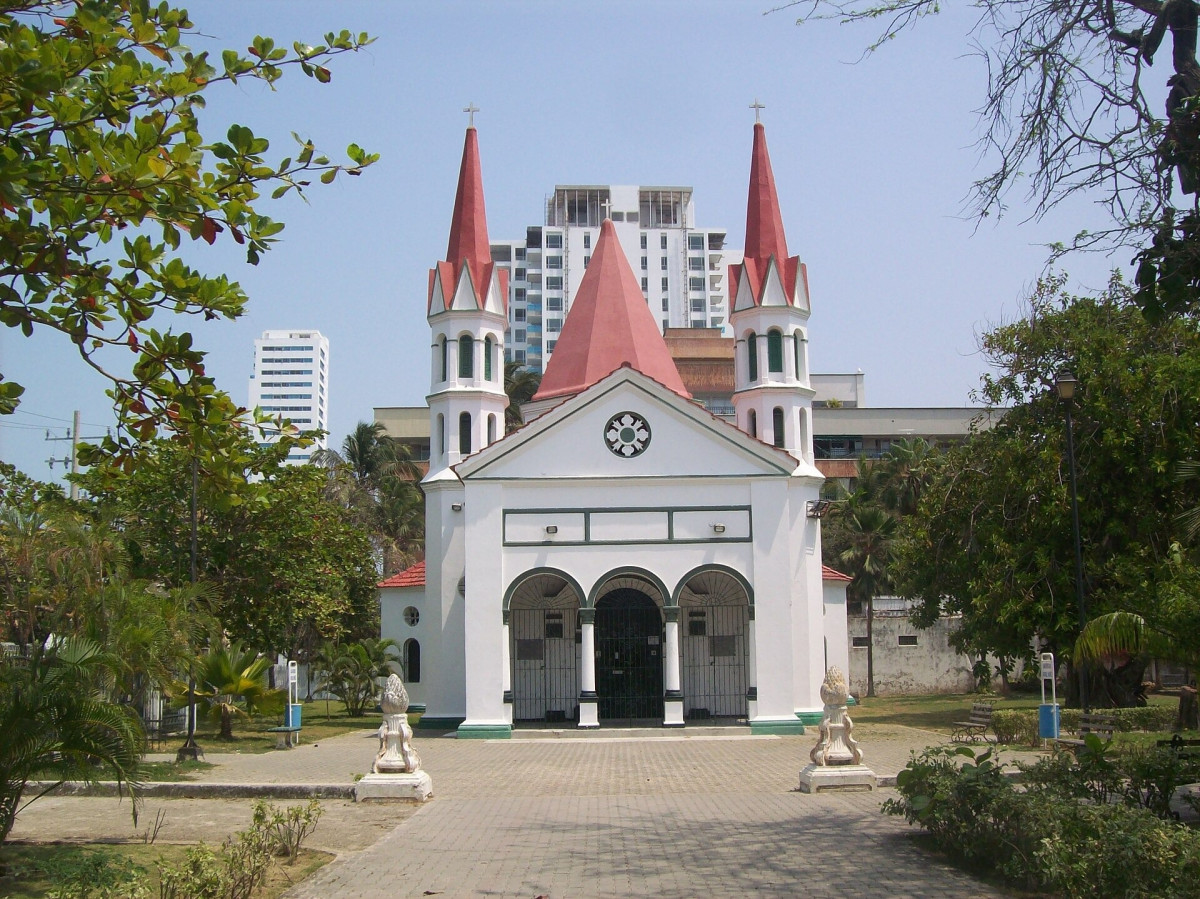
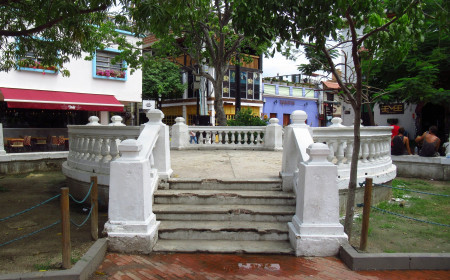
Here the colonial postcard is left behind and the republican city appears. Around Parque Apolo are its monuments, the façade of the Ermita del Cabrero and, across the street, the Casa Museo Rafael Núñez, with its painted wood.
From the outside, in 45 minutes or an hour you see it all. If you are in the north of the Center, arrive walking along enabled streets and crossings; from farther away, a taxi to the park is better than a long walk in the sun. The roadway of Avenida Santander is not a path; do not walk there.
The house museum deserves its own visit if you are interested in history; confirm that it is open and give it time. The hermitage does not always open. Even with everything closed, from the outside you understand how the park, the church and the house relate.
8. Bocagrande on the sea side: Avenida Primera as far as El Laguito
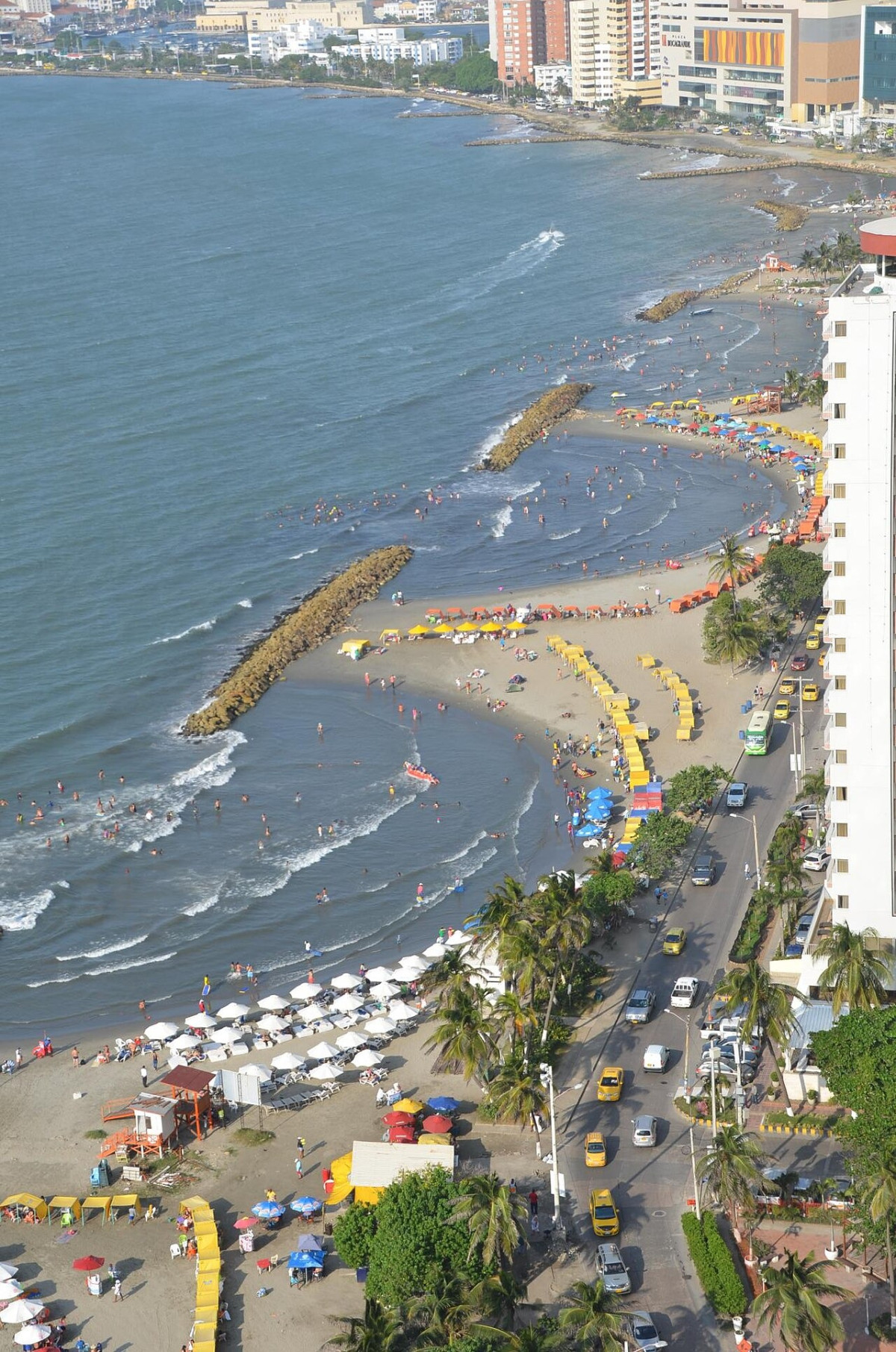
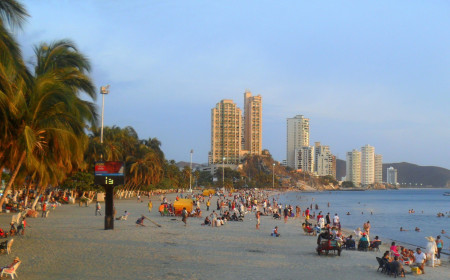
Buildings on one side, the open Caribbean on the other. Enter through a public access to Bocagrande beach on Avenida Primera and walk south until Bocagrande approaches El Laguito. There you turn back or take transport. You do not need to go around the peninsula.
An hour or an hour and a half, depending on where you start. If you are staying in the area, it is for before breakfast or as the afternoon falls. You will find vendors, crossings and stretches of sidewalk; do not expect an empty beach or the whole way along the sand.
The Bocagrande shoreline has had coastal-protection works. Check which accesses are open before you go out and cut the walk where there are closures or machinery. The bay front toward Castillogrande is another project and it is not clear that you can walk it continuously. Do not climb onto groynes or rocks, even less with swell.
9. India Catalina, Puente Heredia and Castillo de San Felipe from below
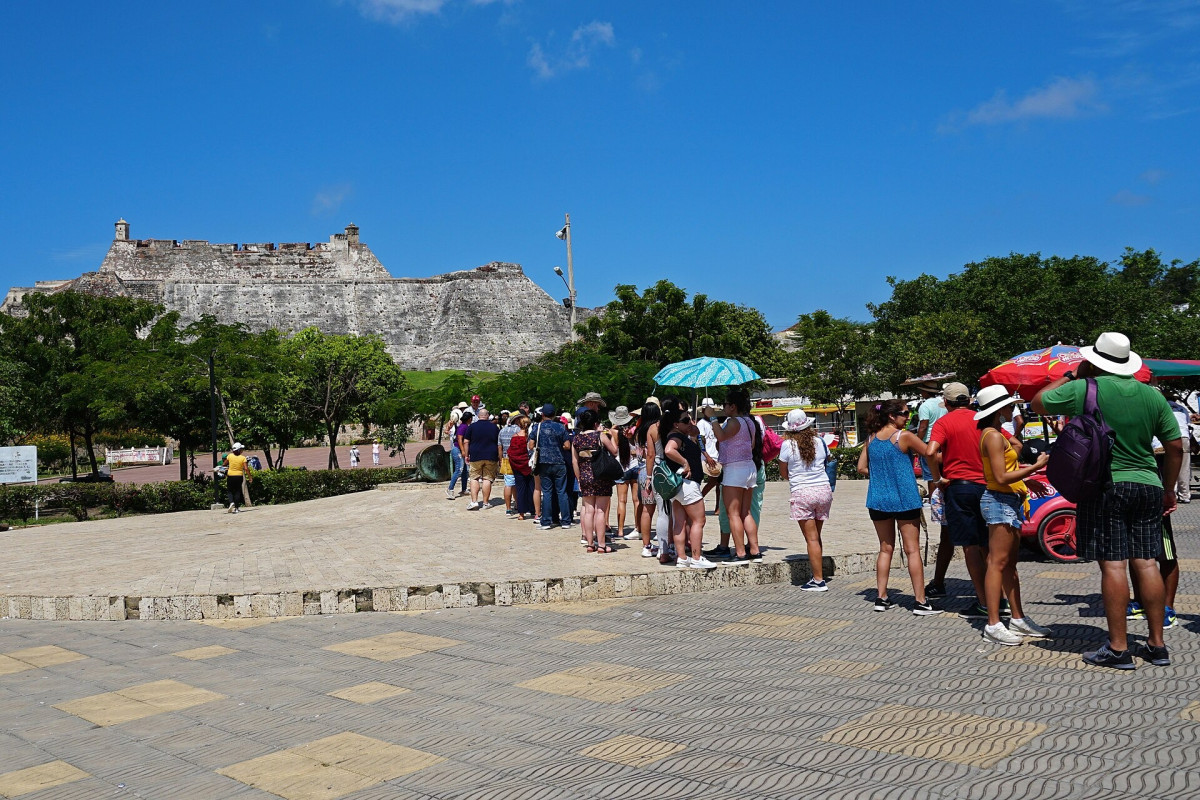
You can look at the castle without buying a ticket. Start at India Catalina and continue toward Puente Heredia along the pedestrian crossings. Continue along Avenida Pedro de Heredia toward Pie del Cerro and walk around the base of the castle on the sidewalks as far as the Zapatos Viejos. That is where it ends; the climb, the tunnels and the batteries are another visit.
An hour or an hour and a half, better early. As you walk, the fortress stops being a distant silhouette and becomes a mass that dominates the street. There is traffic, noise and sun, so if you only want shade and rest, this is not it.
Use the marked crossings and do not go down onto the roadway to save a block. If the pedestrian crossing is closed or you do not feel comfortable, arrive by taxi and do only the outside part. To enter the castle, see our activities list.
10. Parque Centenario: a short circuit among trees, monuments and books
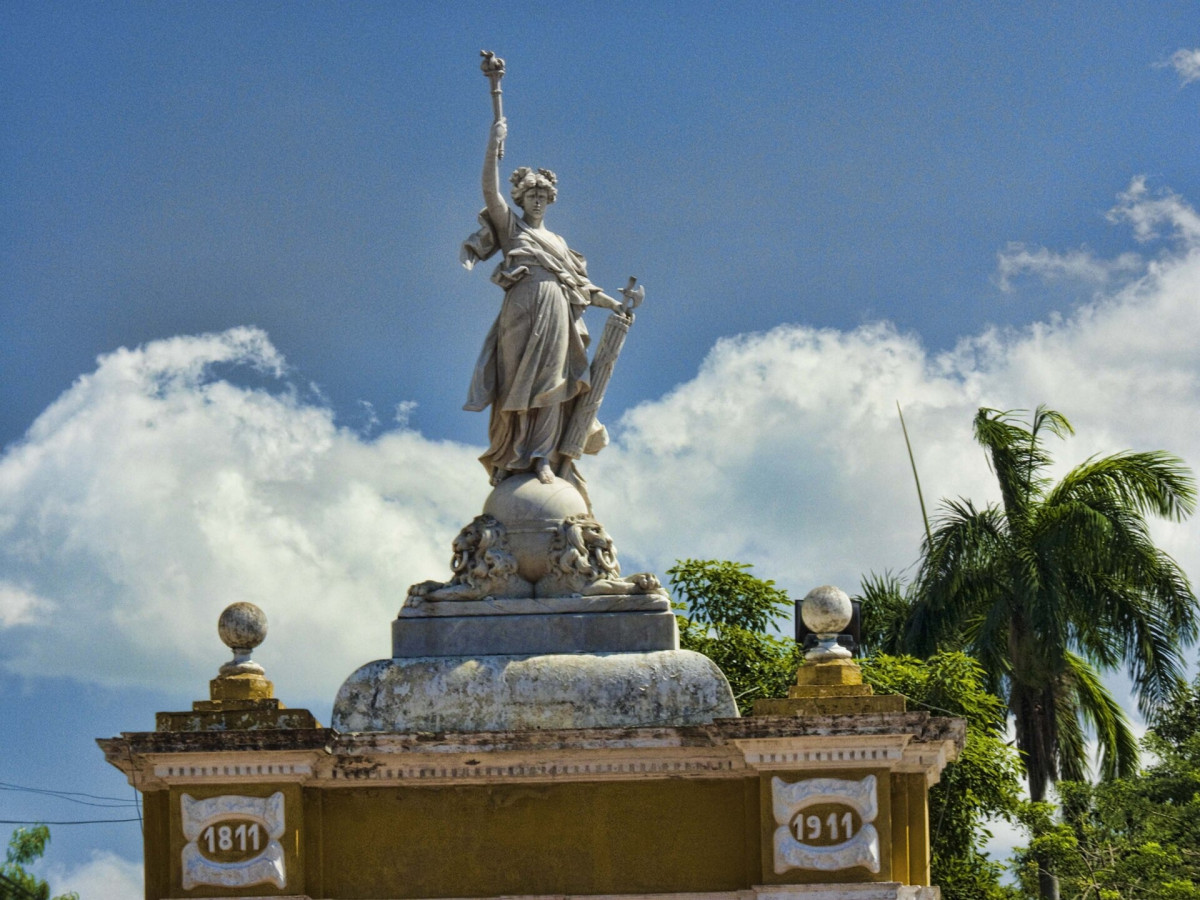
Half an hour or 45 minutes of shade right in the center. Enter Parque Centenario from the Clock Tower side, pass the obelisk and walk the paths inside. Then look for the booksellers and artisans toward Avenida Daniel Lemaitre, and leave the way you entered or through a side gate.
The park reopened in December 2025 after its restoration. If you see iguanas, birds or other animals, look at them from a distance, without touching them or giving them food.
EPA Cartagena and the Tourism Secretariat warn that no tour or charge is authorized for contact with the park’s wildlife. Do not pay to hold an animal for a photo. Respect the fences and the closed paths, even if the map shows another entrance.