
The 7 best routes in the Coffee Region
Seven walking routes through towns and lookouts in the Coffee Region: Salento to Alto de la Cruz, the streets of Filandia, the Cementerio Libre de Circasia, Pijao, Buenavista, Santa Rosa de Cabal and the Chipre lookout in Manizales. Unguided routes, what to see and what remains closed after the earthquake.
1. Salento, from Calle Real to Alto de la Cruz
The Coffee Region tours get all the attention, but a good part of the area’s charm is walking its towns without a rush. These are the best routes in the Coffee Region that you can do on your own: walks of one to three hours, in public space and without an entrance fee, among bahareque houses or up to a lookout that justifies the climb. They run from north to south through Quindío and then go up to Risaralda and Caldas. In each one we tell you what remained closed after the earthquake of August 10.
For plans with an operator, see the best tours in the Coffee Region, and for Cocora, the theme parks and Río Blanco, the best things to do in the Coffee Region.
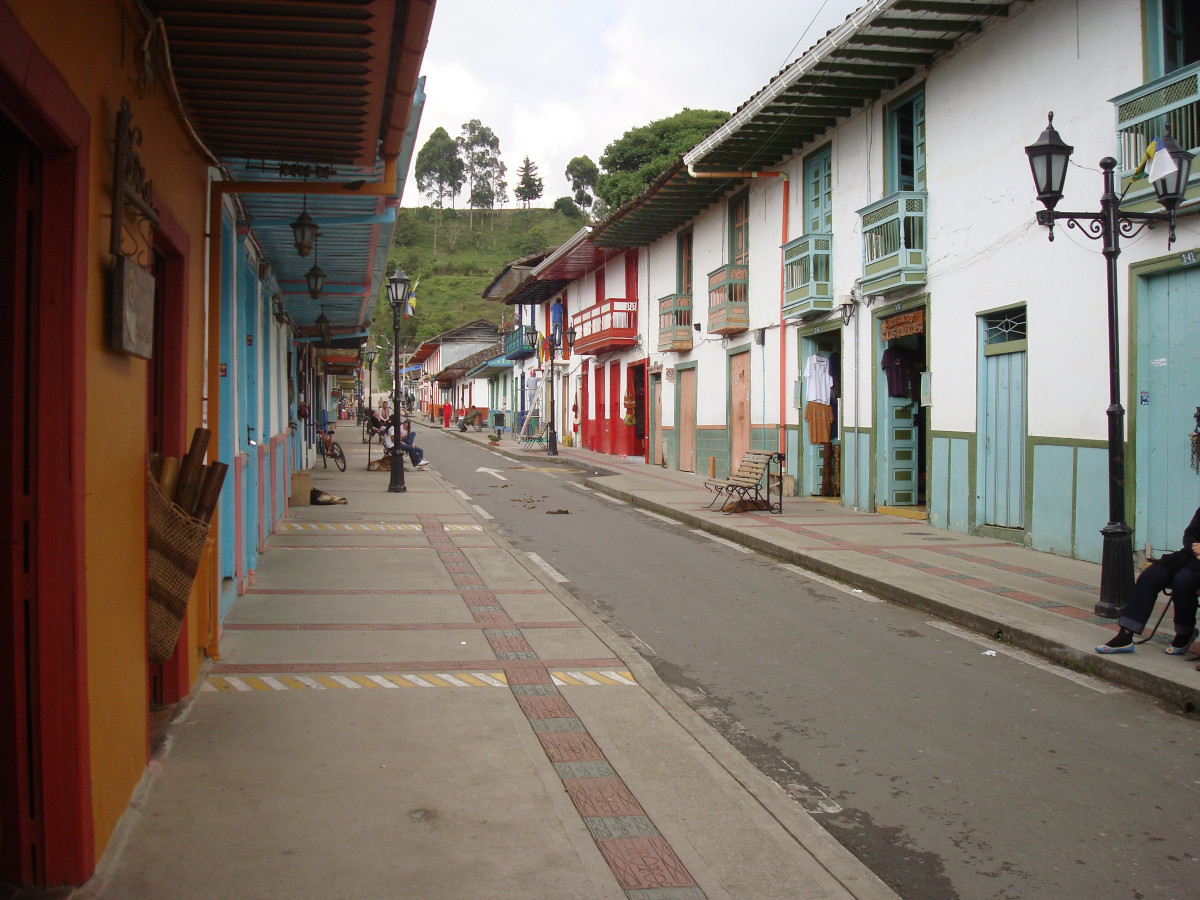
Calle Real (Carrera 6) is the spine of Salento: bahareque houses with doors, windows and balconies painted in every color, craft shops and cafés. Walk it from the square to the end and climb the stairs that lead to the Alto de la Cruz lookout. From up there you see the whole town, the Quindío river valley and, if it is clear, the way toward Cocora.
Salento has been operating without restrictions since August. Go early or at sunset, because between 11 and 3 the street fills up.
2. The streets of Filandia
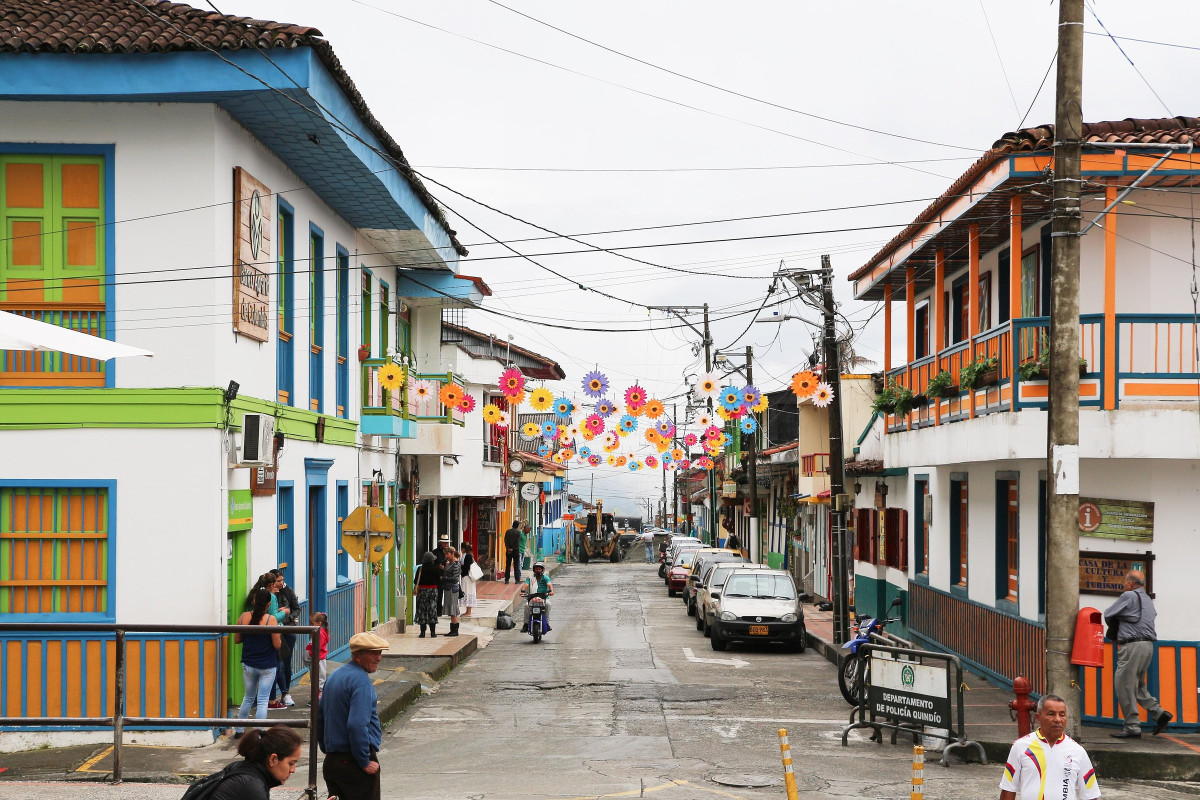
Filandia is quieter than Salento, and that is why many people prefer it. Calle 7 leaves the square with its two-story houses, wooden balconies and basket shops, which are the town’s traditional craft. Walk it slowly, detour along the Convento street and the Cruz street, and finish in any café with a view of the mountains.
It was one of the hardest-hit towns in northern Quindío. The Colina Iluminada lookout and the Casa del Artesano remain closed while they do studies, and in early October part of the main park had restricted access. The church was also closed for evaluation, so ask in town before you count on going in. The rest walks as usual, and the shops need you to go.
3. Cementerio Libre de Circasia
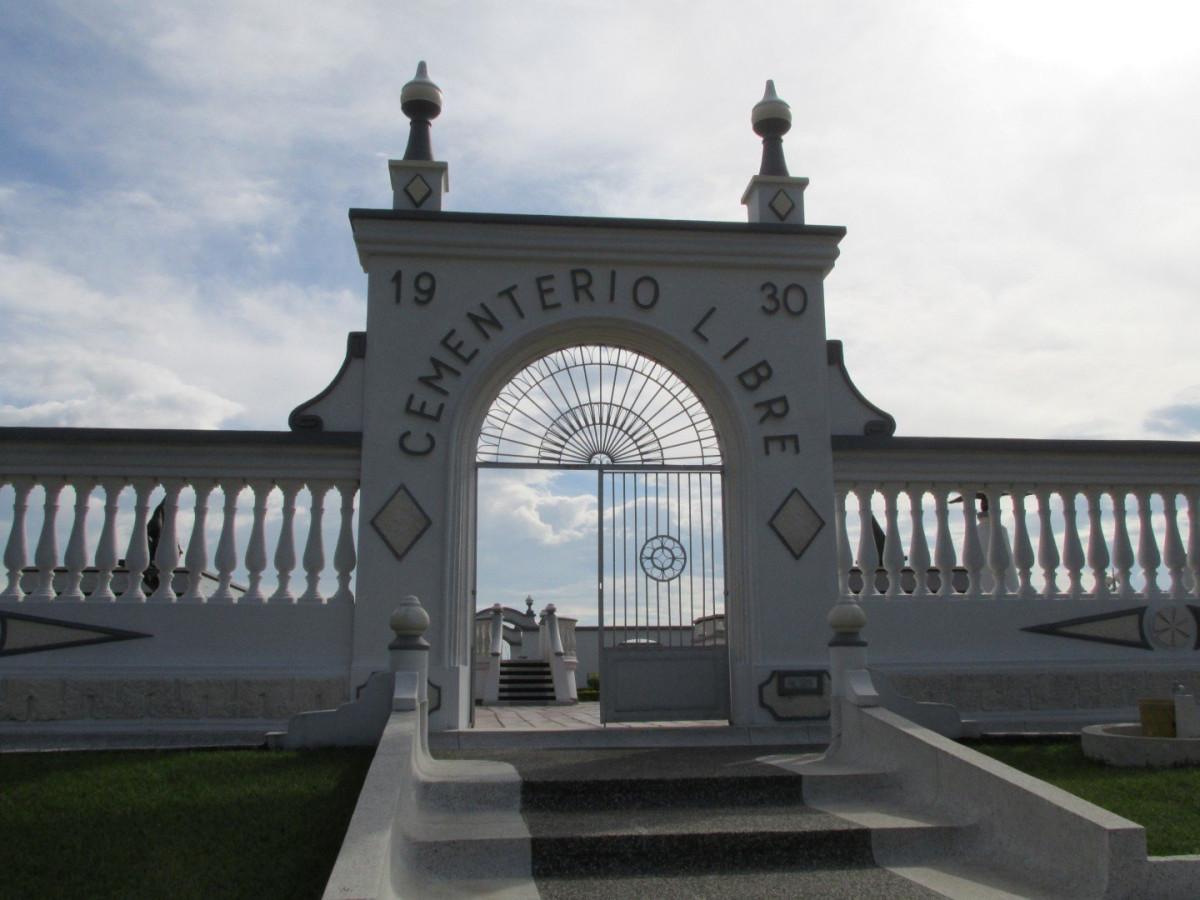
Odd, yes, and that is why it is worth it. In a time when the Church refused to bury liberals, freethinkers and those who did not take communion, Circasia raised a cemetery open to everyone; the portal says 1930. Inside there are not piled-up crosses but gardens, white tombs and a calm that surprises you.
It is a few blocks from the main park and you walk it in less than an hour. Go with respect, because it is still a cemetery in use, and ask for the hours in town, because there is no official schedule published.
4. Pijao, the unhurried town
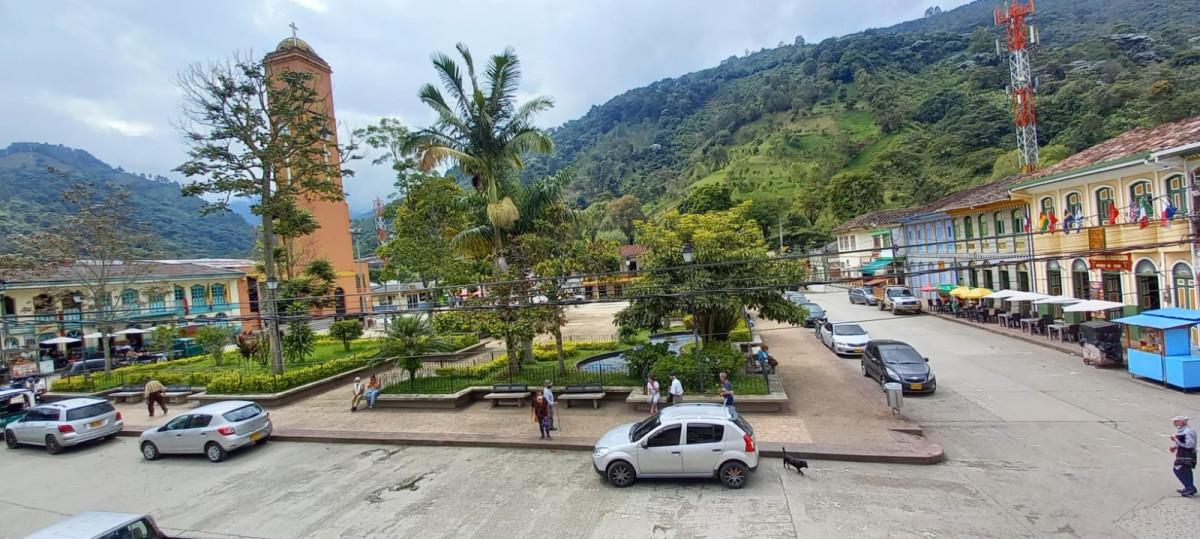
Pijao is part of Cittaslow, the international network of towns that defend a slow life, and it is not a pose. In southern Quindío, away from the Salento-Filandia circuit, it keeps houses with colorful balconies around a park where the day is measured by the masses and by the arrival of the jeeps.
The natural walk is the park, the streets around it and the way down toward the Lejos river, where the municipality recently opened a lookout. Order a tinto from the area, because high-altitude coffee is grown here. Pijao came out of the earthquake with minor damage, the same as Génova, Buenavista and Córdoba. What suffered most was commerce, which sells between half and a tenth of what it used to, so every tinto counts.
5. Buenavista and its lookouts
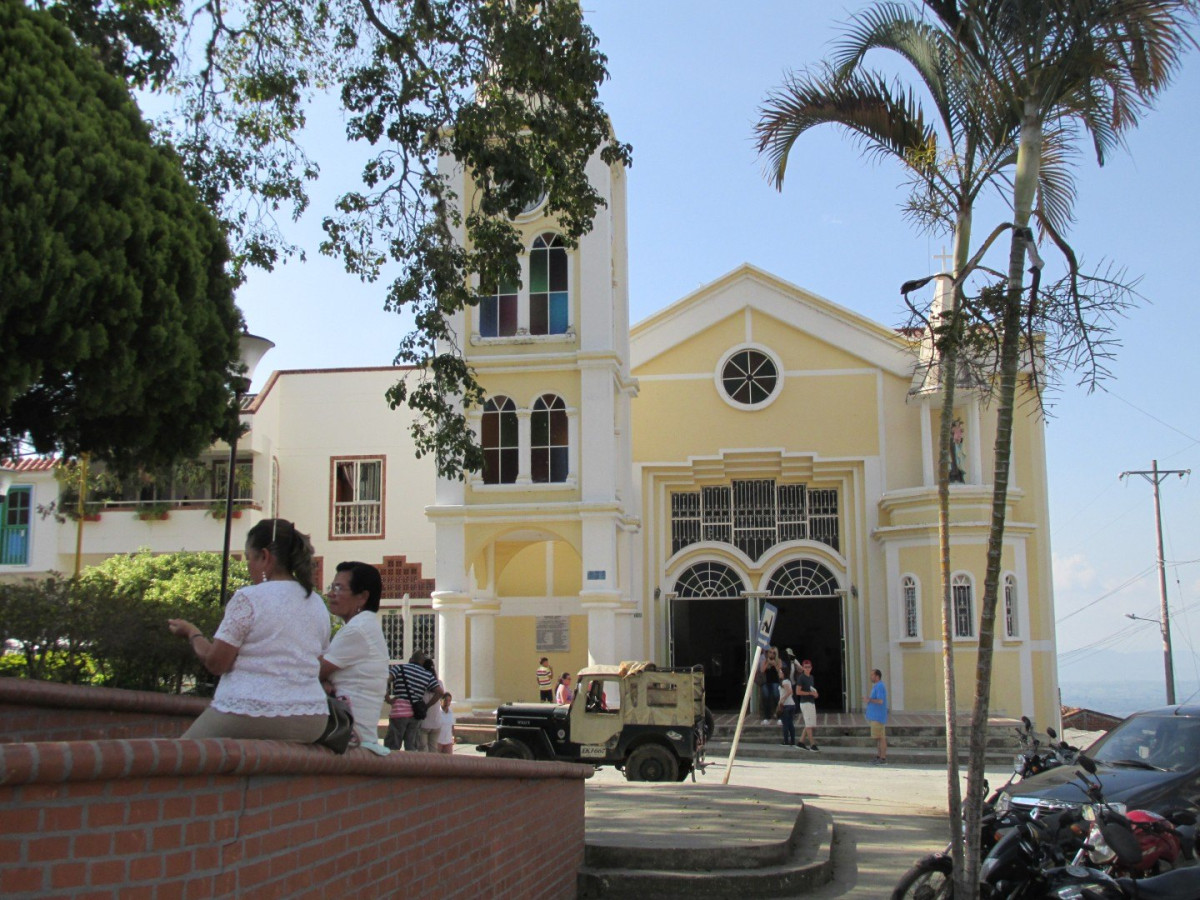
The name does not exaggerate. Buenavista is perched on a ridge of the range, and from its edges the landscape opens toward the valley, with coffee groves going down on every side. The walk is short: the park in front of the parish of Nuestra Señora del Carmen, the streets that go out toward the tips of the town and the lookouts, several of them in cafés and farms at the entrance.
Pair it with Pijao on the same day; they are close and share a road. Southern Quindío came out of the earthquake with minor damage, and weekends are when it has the most movement.
6. Santa Rosa de Cabal, around the araucarias
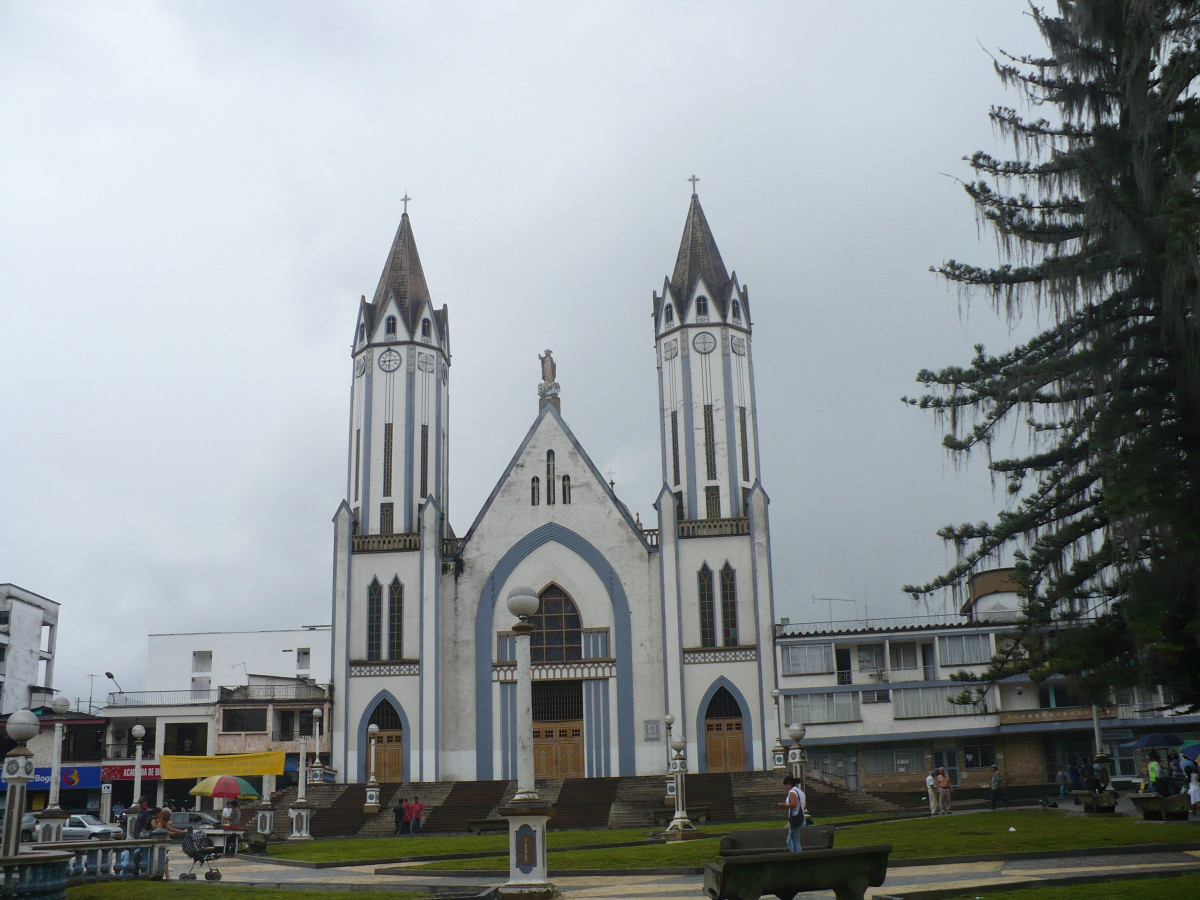
Almost everyone passes through Santa Rosa de Cabal on the way to the hot springs and keeps going. A mistake. The Parque de las Araucarias, with the basilica of a white façade and pointed towers, is one of the most beautiful in Risaralda, and around it there are houses from the colonization and shops that sell chorizo santarrosano, which here is a matter of local pride.
Walk the park and the commercial streets, and look for the Escuela Apostólica, a house declared a national cultural asset. With the earthquake it suffered non-structural damage to plaster and the roof and is under restoration, so going inside is not a sure thing.
7. Chipre, the lookout of Manizales
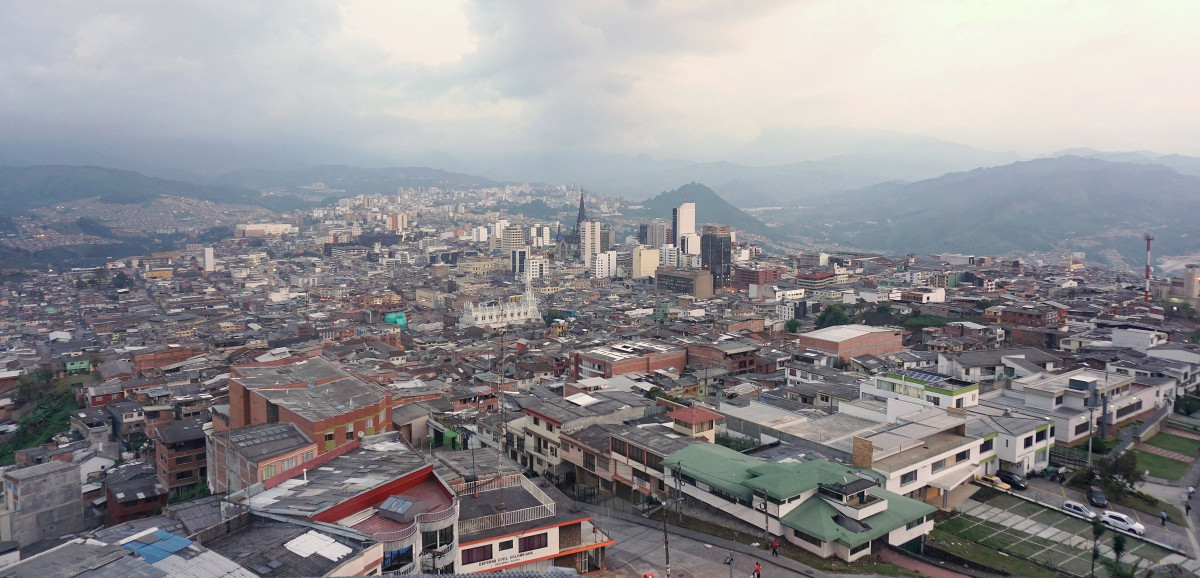
Manizales is built on mountain ridges, and Chipre is the balcony from which you understand it. The neighborhood is walked along Avenida 12 de Octubre, with lookouts toward the west that fill up at sunset, the monument to the colonizers and the panoramic tower. From there you see the city hanging from the hillside and, if the sky helps, the outline of the Nevado del Ruiz.
Go at the end of the afternoon, with a jacket, and stay to eat in the neighborhood. If you are going to sleep in Manizales, see the coffee hacienda we included among the best hotels in the Coffee Region. The city reports about 95% of its tourist activity recovered, but before you put the historic center in the plan, find out which temples remain closed because of the earthquake.