
The 5 best things to do in the Colombian Amazon
Five plans in the Colombian Amazon, between Leticia and Puerto Nariño: the parakeets of Parque Santander, the town without cars, the Tarapoto lakes, the Ethnographic Museum and the border with Brazil on foot.
1. Watch the parakeets arrive at Parque Santander
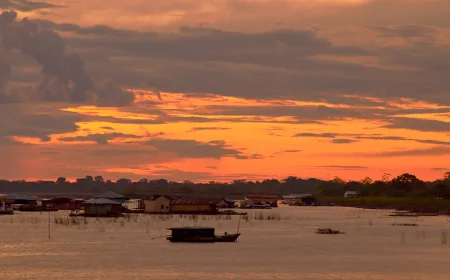
The Amazon is not traveled like other destinations. The river sets the schedule, the rain changes the plans and almost everything good happens early or when the afternoon falls. These are, for us, the best things to do in the Colombian Amazon: five plans between Leticia and Puerto Nariño that you can do with or without an agency. None of them includes touching or feeding animals, and we don't list prices because they change.
If you want to go into the forest with a guide, see the best tours in the Amazon. For a place to sleep, the best hotels in the Amazon, and for more niche ideas, the Amazon experiences that are trending.
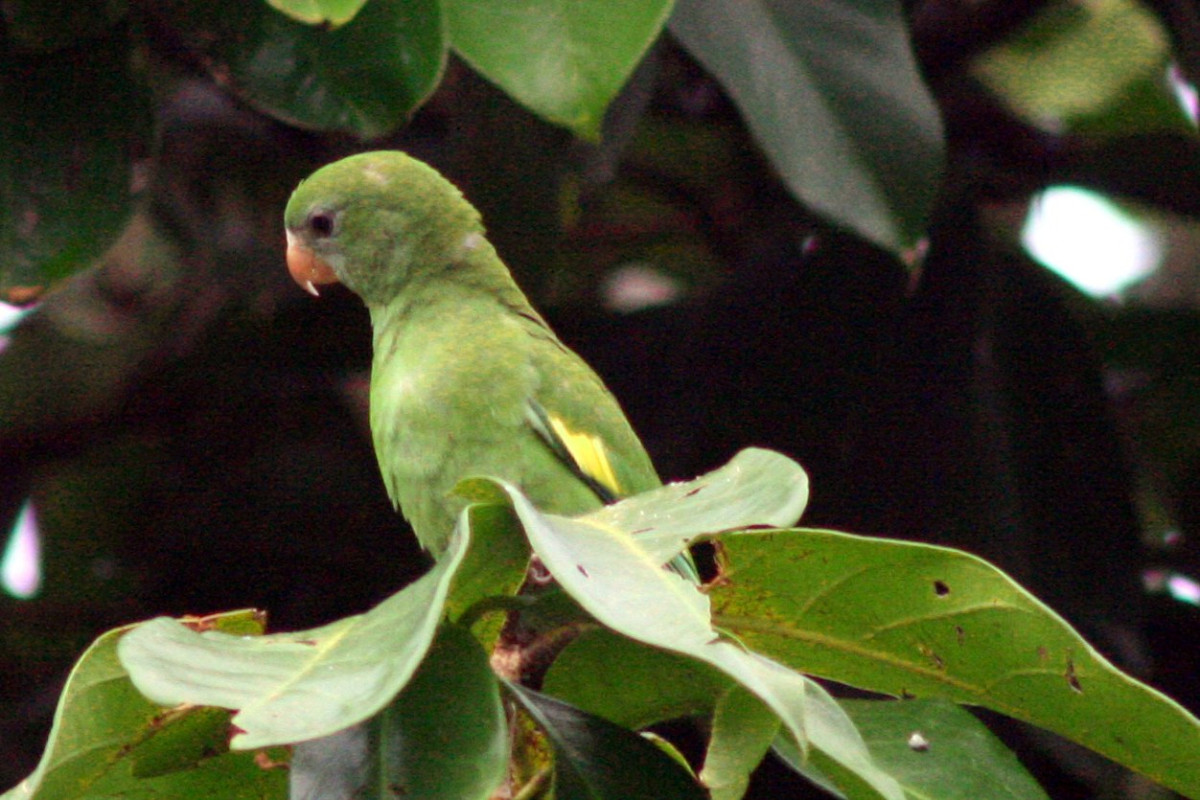
Toward five in the afternoon, Leticia's main square changes its sound. The white-winged parakeets (pigüicho, in the Ticuna language) start arriving from every corner of the forest, and in a short while the trees are so full that the noise won't let you talk. They settle in for a couple of hours and, when it gets dark, they go quiet all at once.
Why do they choose the center of a city with so much forest around it? Part of the answer is in the park itself, which still holds native palms such as bacaba and açaí, remnants of what that area was before the concrete. Arrive before five, stand to the side of the trees and not underneath (for obvious reasons), and don't feed them.
2. Travel by boat to Puerto Nariño and stay one night
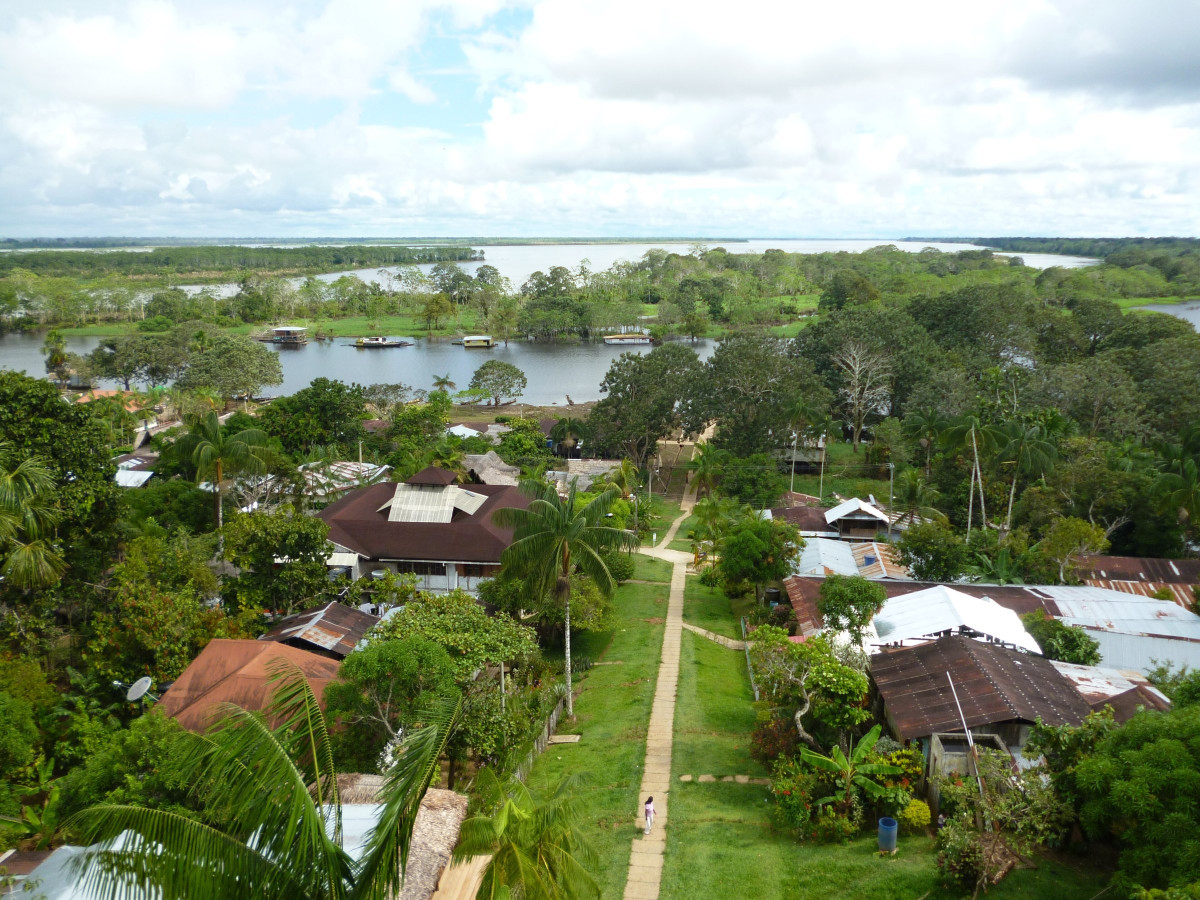
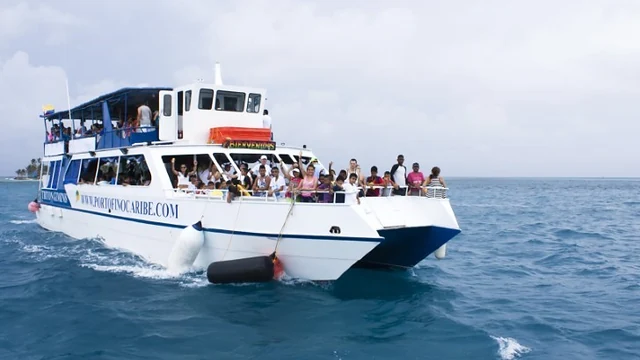
It is about two hours by fast boat upriver from Leticia, with Los Rojos, Los Verdes or Los Azules, which leave from early morning. At the pier you pay an entrance fee and another rhythm begins: in Puerto Nariño there are no cars or motorcycles, and it was the first municipality in Colombia certified as a sustainable tourism destination. It is territory of the Ticoya reservation, home of the Magüta-Tikuna, Yagua and Cocama peoples.
You can walk it in a morning, but the point is not to rush. Climb the lookout tower to understand where you are, between the Amazon and the Loretoyacu, and stay at least one night. There are few return times to Leticia, and the town in the afternoon, without day-trippers, is another place. The signal is poor, so download the municipality's digital guide beforehand and bring cash.
3. Look for dolphins in the Tarapoto lakes
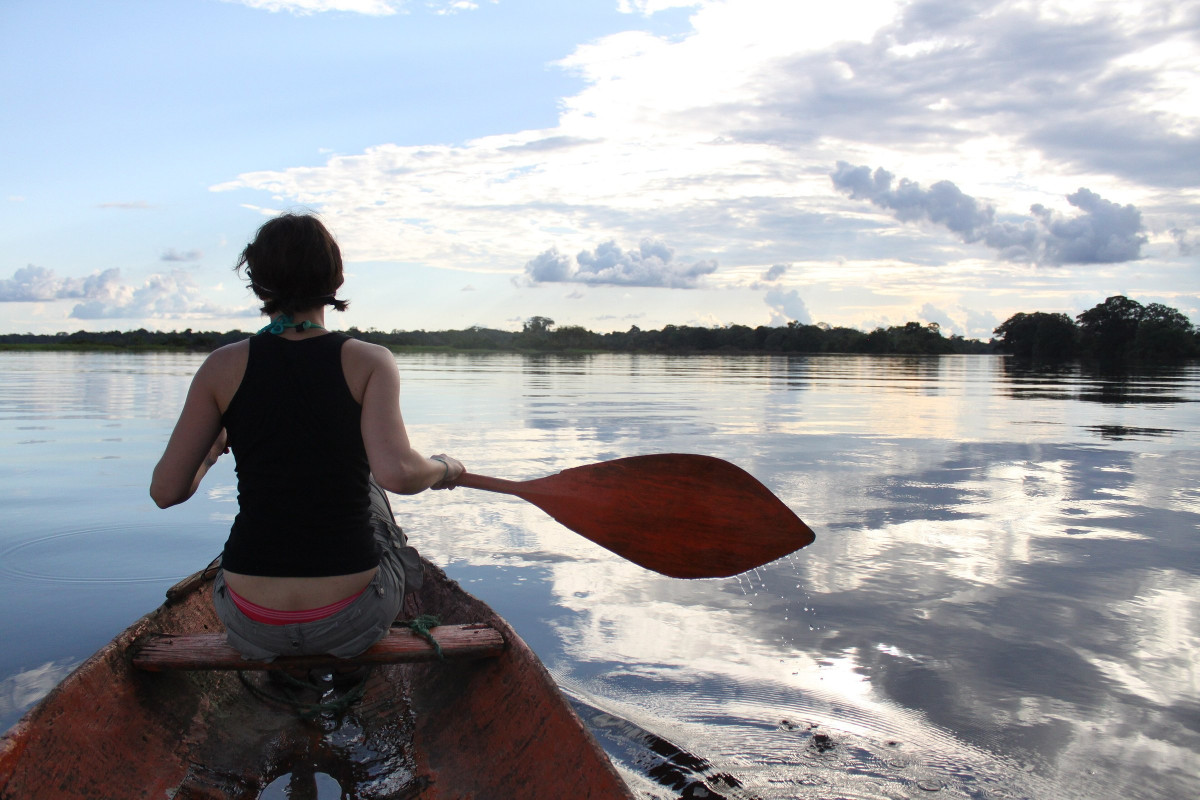
Almost everyone comes for the pink and gray dolphins, so let's be direct: seeing them is not guaranteed. The Tarapoto lakes are a short boat ride from Puerto Nariño. There are some 22 lakes and 45 wetlands in the Loretoyacu basin, the first wetland complex in the Colombian Amazon declared a Ramsar site. Twenty-two Indigenous communities live from them, and they agreed on fishing rules among themselves so as not to finish off the lake.
Go with a local guide, ask them to cut or lower the engine as you approach and be wary of anyone who promises you will swim with them or attract them with food. In high water, when the forest floods, the outing can continue by canoe among the trees, and that alone is already worth the trip.
4. Understand the region at the Ethnographic Museum
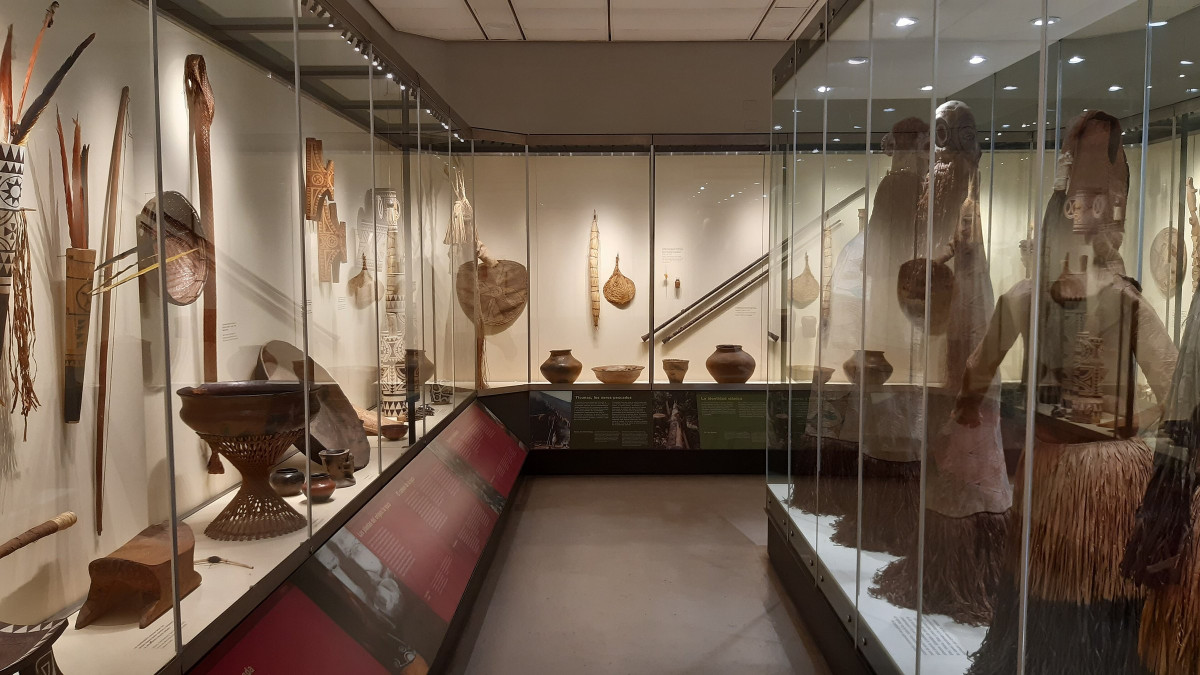
Before you go to a community, or just after, make this stop. The Ethnographic Museum is part of the Banco de la República Cultural Center in Leticia, a building on the riverbank that also has a library, an art room and a music program. Its rooms show objects of the Indigenous peoples of the region, and it is the best place in Leticia to put names to the cultures you will find upriver.
It is open Monday to Friday from 8:30 a.m. to 6:00 p.m., and Saturdays from 9:00 to 1:00. It is closed on Sundays. It is the perfect plan for the hour of a downpour or for the morning of the return flight. It is in the center, a few blocks from Parque Santander.
5. Walk across to Tabatinga, in Brazil
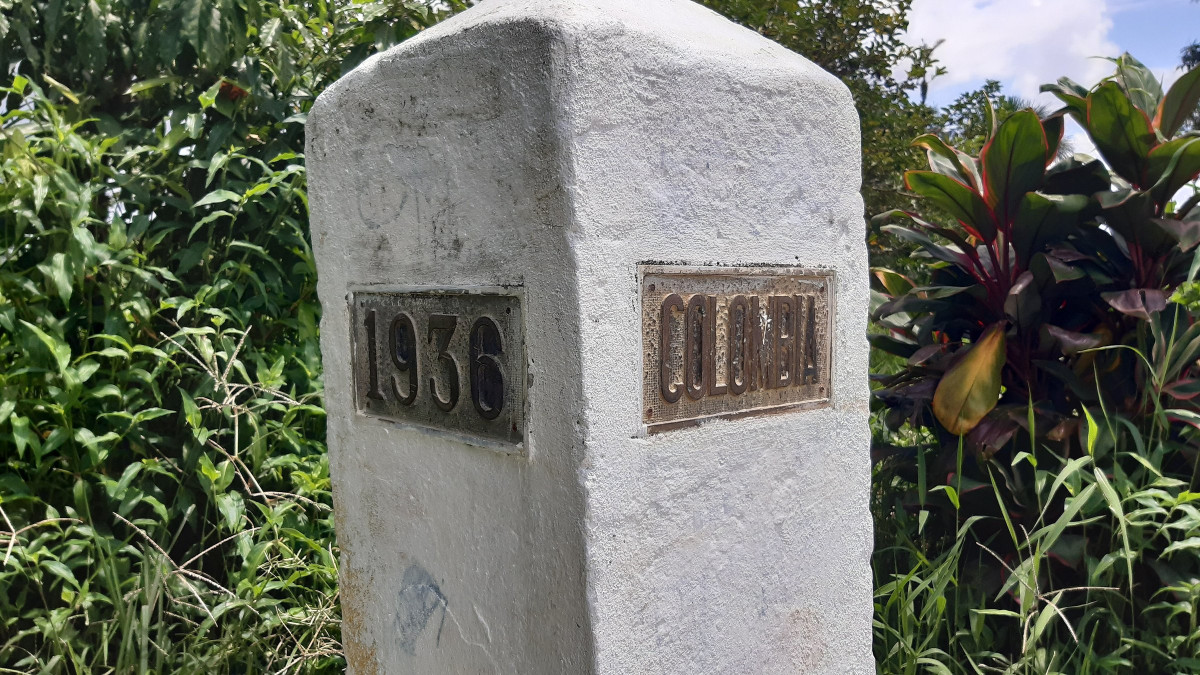
Leticia and Tabatinga are, in practice, one city split by a line. You walk across on the avenue that joins them and, from one sidewalk to the other, the language of the signs, the currency in the shops and even the beer change. On the other side of the river, by boat, is Santa Rosa, in Peru. That is why this corner is called the Triple Frontier.
For a day outing in the border area they usually don't ask for paperwork. If you are going on into the interior of Brazil or Peru, you have to stamp your exit with Migración Colombia and your entry in the other country; check the current rules before you go. Bring some cash in reais and come back before it gets dark.