
The 10 best things to do in San Andrés
Diving, snorkeling at West View, snuba, an underwater walk, parasailing, flyboarding, kayaking, Hoyo Soplador, Morgan’s Cave and a horseback ride: the 10 best things to do in San Andrés.
1. Discover scuba diving
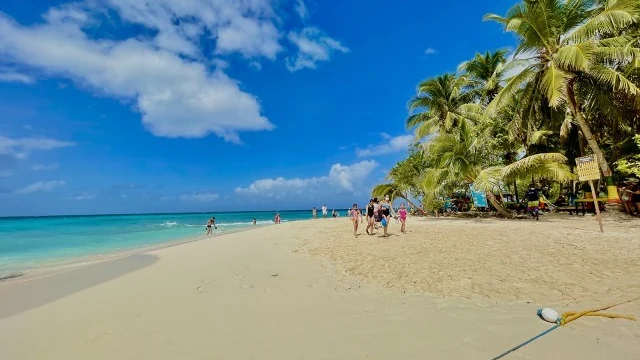
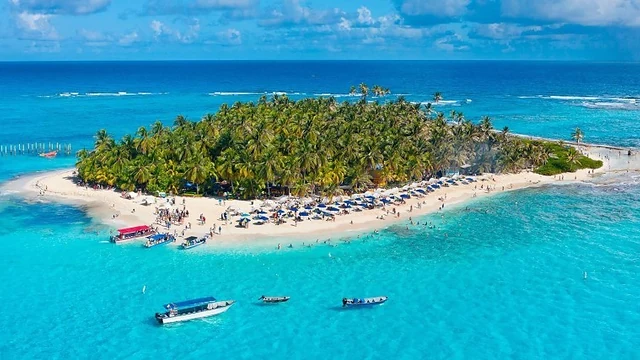
San Andrés is not only throwing yourself onto the sand at Spratt Bight. The island is surrounded by one of the largest coral barriers in the Caribbean, inside the Seaflower Biosphere Reserve, and that makes it a great place to get in the water. You can dive for the first time, snorkel among schools of fish, walk the seabed with a helmet or see it all from a parachute. These are the best things to do in San Andrés; the cay packages are in the best tours in San Andrés.
If you want to really see the reef, go for the discover scuba dive or snorkeling at West View. With children from age six, snuba or the Aquanautas walk. For adrenaline there are parasailing and flyboarding, and if the sea woke up rough, Morgan’s Cave and the horseback ride (more ideas in what to do in San Andrés when it rains). Rates change by season and operator, so ask what each price includes: transfers, gear, photos, the departure tax and age, weight or health limits. Several of these activities are in the SanAndres.travel catalog, operated by the agency NautyGO (RNT 109518).
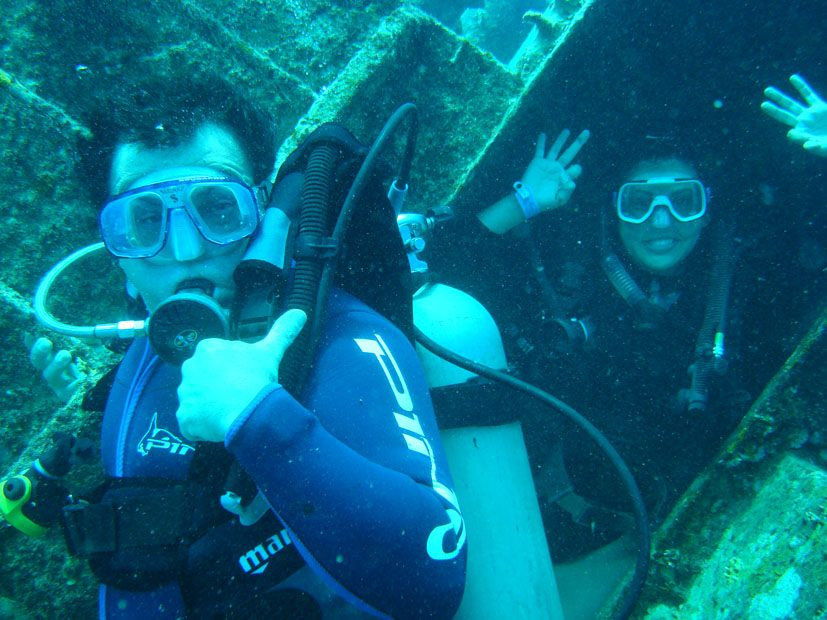
Nothing changes the island as much as breathing underwater for the first time. Dive centers offer mini-courses or Discover Scuba Diving for people without certification: a bit of theory, practice in a pool or in calm water and a guided dive in the sea with an instructor. They usually ask for a minimum of 10 years of age, good health and the ability to swim, and they don’t go deeper than 40 feet. It is not a certification, although it can count toward the Open Water course.
Choose the center for safety, not for price. Ask how many students each instructor takes, what condition the gear is in and what insurance they have. And don’t do it on the same day as your flight home. Everything else is in diving for beginners in San Andrés.
2. Snorkeling at West View
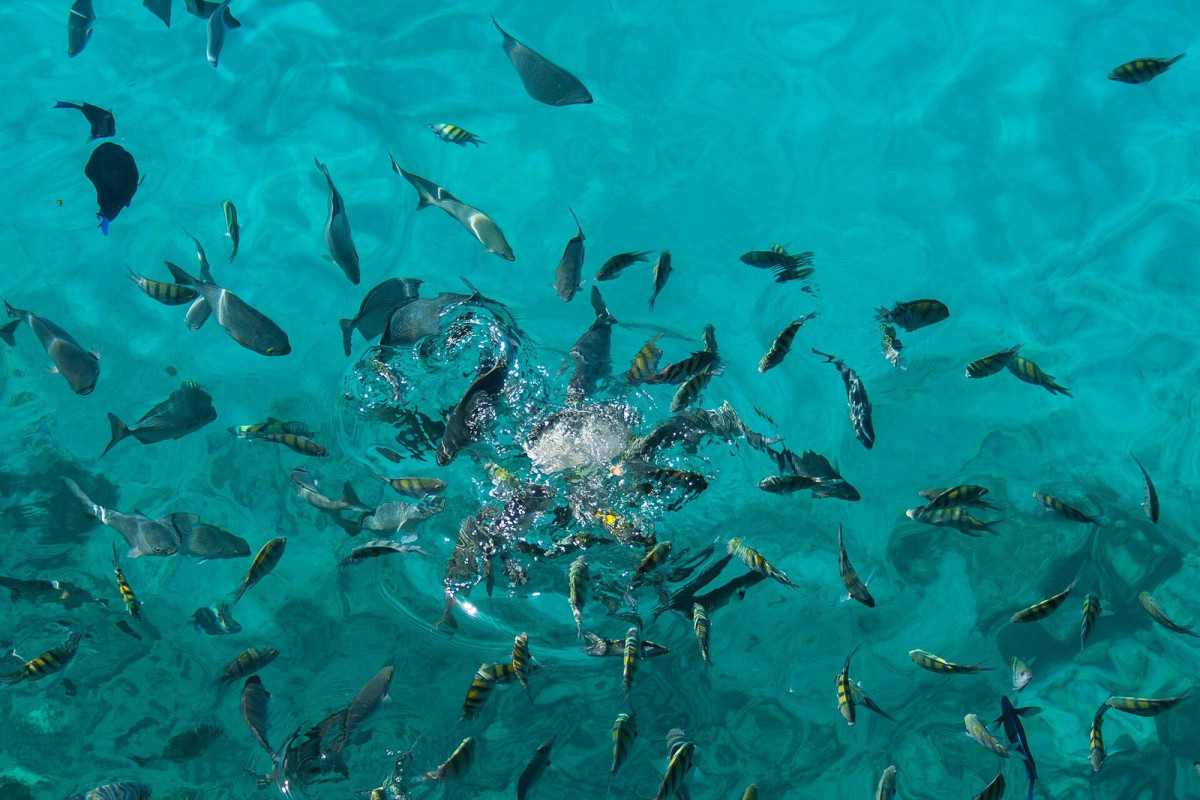
On the west coast, West View is a natural swimming area on coral rock where the water is deep and clear from the edge, and the fish come up to you in schools. There is an entrance fee and there are stairs down to the sea. It is one of the best places to snorkel without getting on a boat.
It works for families with children who swim with a vest and for tighter budgets. A lot of people throw bread to the fish, and that changes their behavior: better just to look. Bring your own mask if you can and go early. If you are deciding between this and La Piscinita, read West View vs. La Piscinita.
3. Snuba
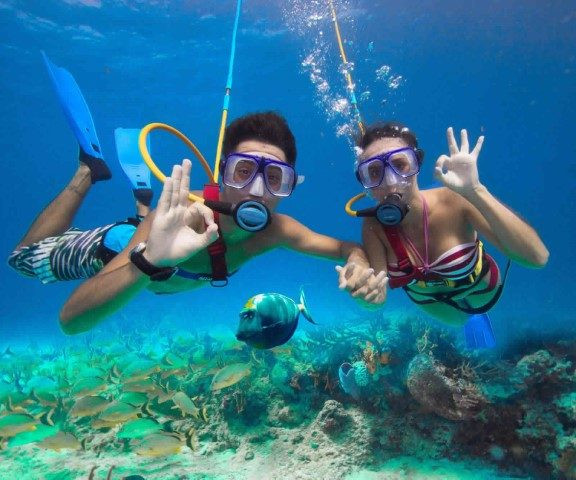
A midpoint between snorkeling and diving. You breathe with a regulator, but the air reaches you through a hose from the surface, so you don’t carry a tank. They offer it to families with children from age 6, with a maximum depth of 5 feet, a certified guide, fins, a mask and a weight belt, after a short lesson.
For a child’s first breath underwater, or for a nervous adult, there is nothing better. Because it is shallow, don’t expect the feel of a real dive; if you already swim well, the discover scuba dive will give you more.
4. Aquanautas: helmet underwater walk
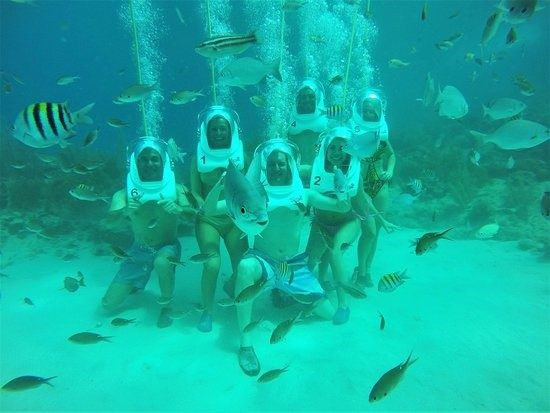
You walk along the bottom with a helmet that lets you breathe normally, holding an instructor’s hand, among fish and a statue of Poseidon that is already a required photo. The instructor takes the pictures, and it runs Monday to Saturday.
If you don’t swim and you want to be in the sea, this is your option. It is very touristy and the bottom has been altered. Don’t touch the coral or feed the fish even if they offer it to you.
5. Parasailing
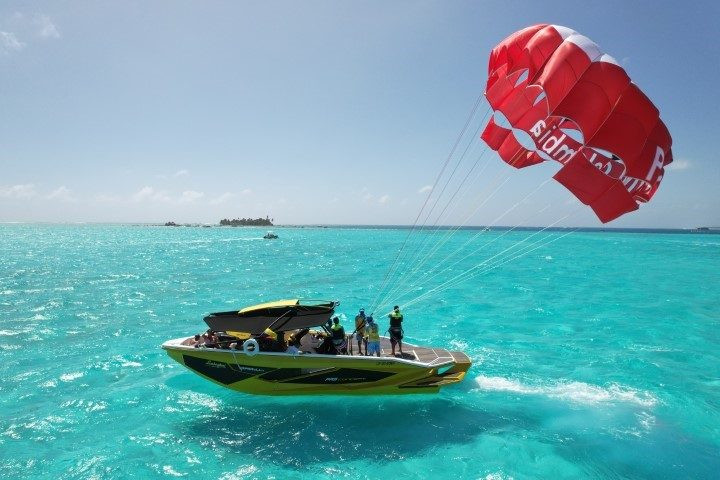
A boat tows you hanging from a parachute and you go up to between 100 and 120 meters. From up there you understand the sea of seven colors: you see the barrier, the cays and the patches of sand under the water. Up to three people can fly at once, children from age 5, and it leaves from the Cotton Cay pier.
It depends on the wind and sometimes they cancel it. Fly in the morning, when the water looks clearer, and strap your phone down well.
6. Flyboarding
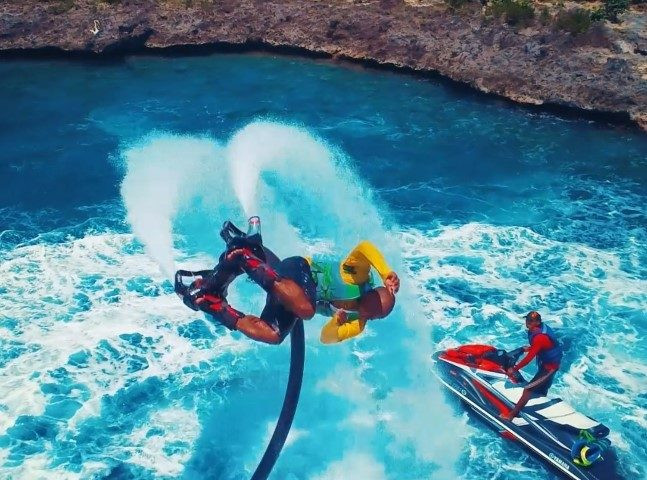
You put on boots connected by a hose to a jet ski, and the jet lifts you above the water. It is the most acrobatic thing on the island. It includes transport from the pier and a specialized guide.
The first few minutes you are going to fall again and again, and it asks a lot of your arms and legs. For young people and adults in good shape who want adrenaline. Confirm with the operator the exact departure point and how long you will be in the air.
7. Kayaking in San Luis
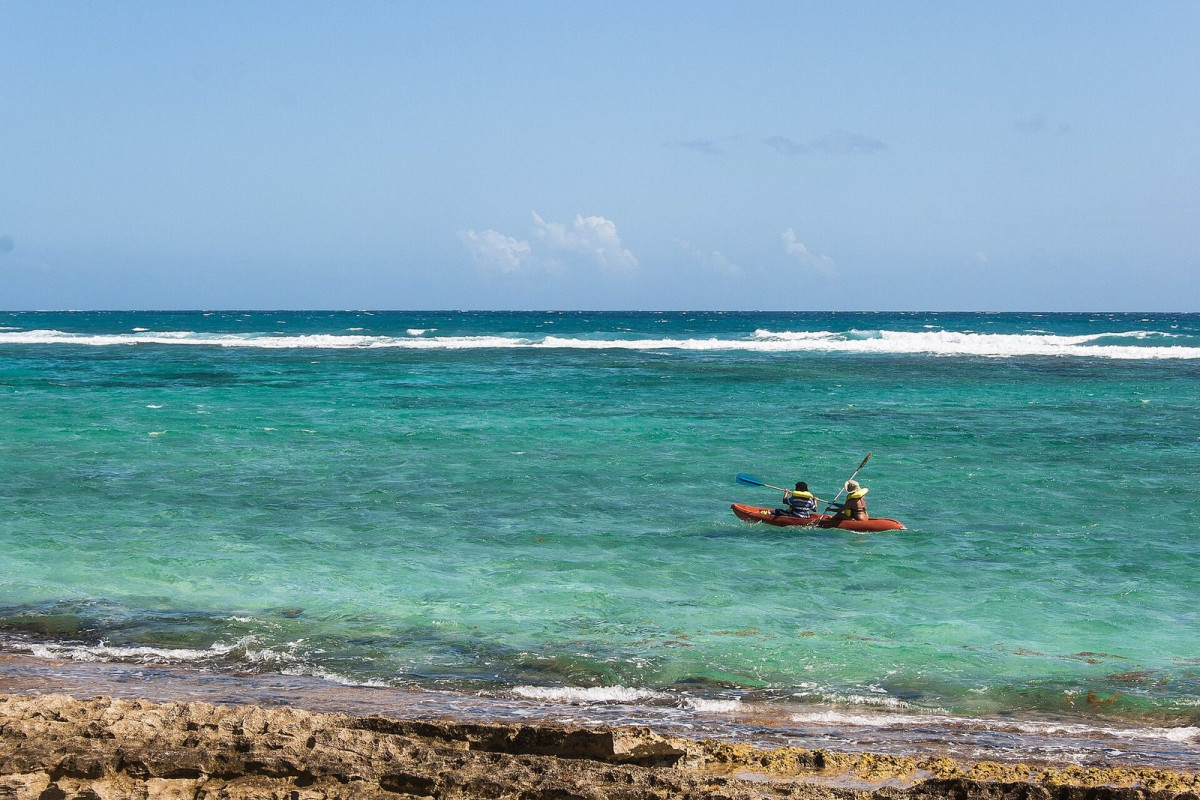
On the San Luis side the water is calmer, protected by the reef, and you paddle without hurry in front of the beach or toward Rocky Cay when the sea is calm. In the area they rent kayaks by the hour, and there are also guided trips through the mangroves of Old Point.
If you are staying in San Luis, it is the morning plan. Always wear a life vest, don’t go far from the barrier and turn back if the wind picks up. To do it with a guide and a transparent kayak, see the Ecofiwi tour in the best tours.
8. Hoyo Soplador
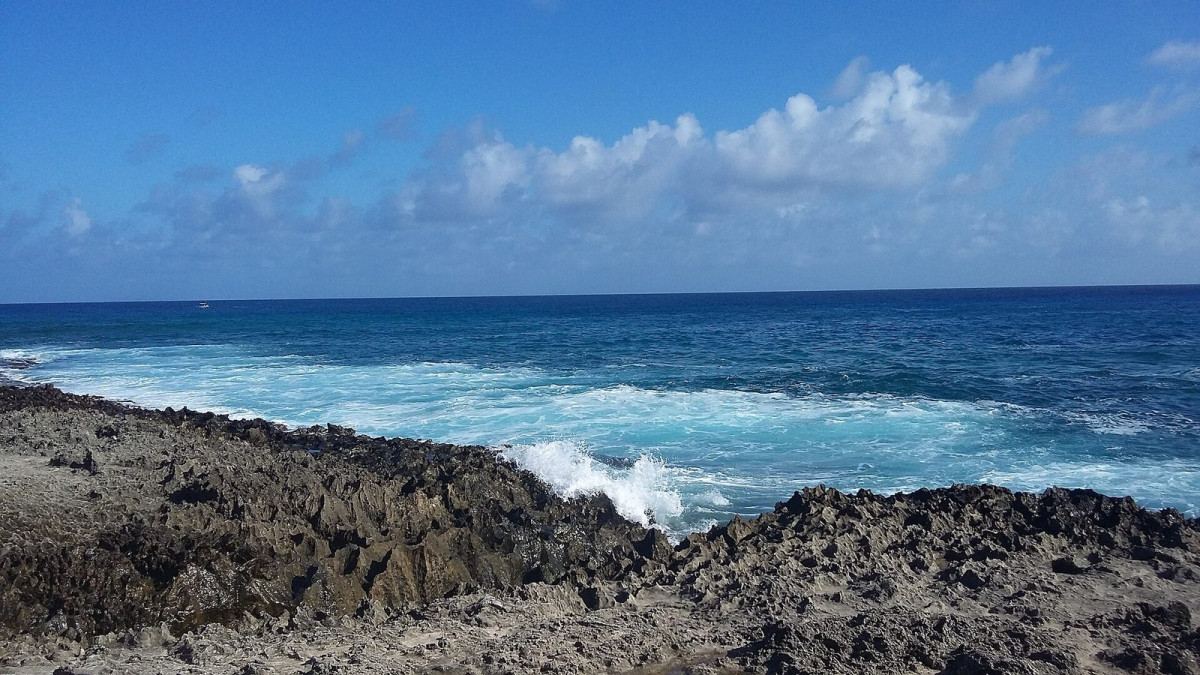
At the South End the sea enters through tunnels in the coral rock and, when the wave and the wind line up, it shoots out through a hole like a jet. It is a short stop, with food and drink stalls around it, that fits well into a trip around the island.
With a calm sea it sometimes barely blows, so don’t go only for this. The rocks are slippery and they cut: go in closed shoes. And ask beforehand, because some island-loop tours don’t stop here.
9. Morgan’s Cave
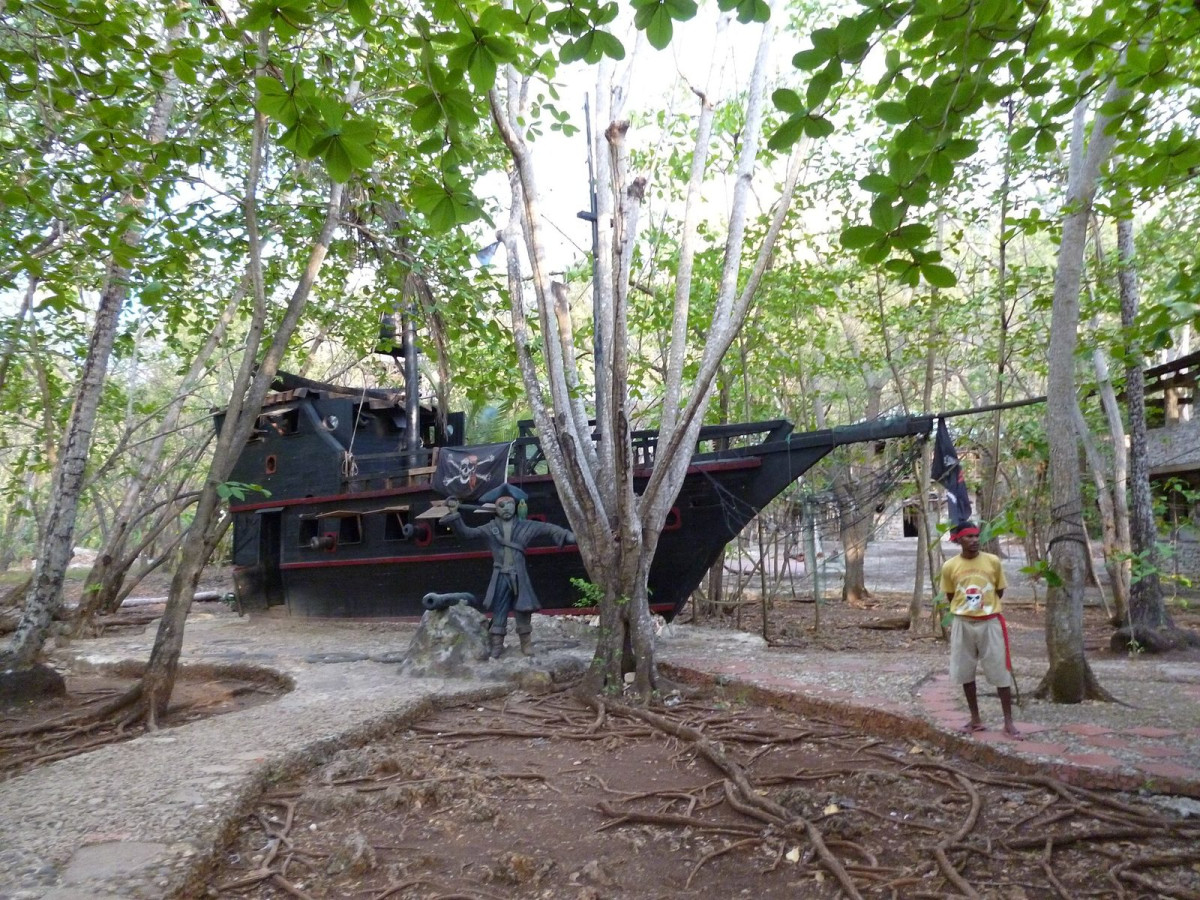
Legend has it that the pirate Henry Morgan hid his treasure here. Today it is a small theme park with the cave (it is flooded and you look at it from the edge), a replica ship, displays of island history and culture, music and crafts. There is an entrance fee.
It is more culture than adventure and the visit is short, but it saves a rainy day with children. Pair it with the Casa Museo Isleña and West View, which are on the same route. More ideas in what to do in San Andrés when it rains.
10. Ecological horseback ride (Native Horse)
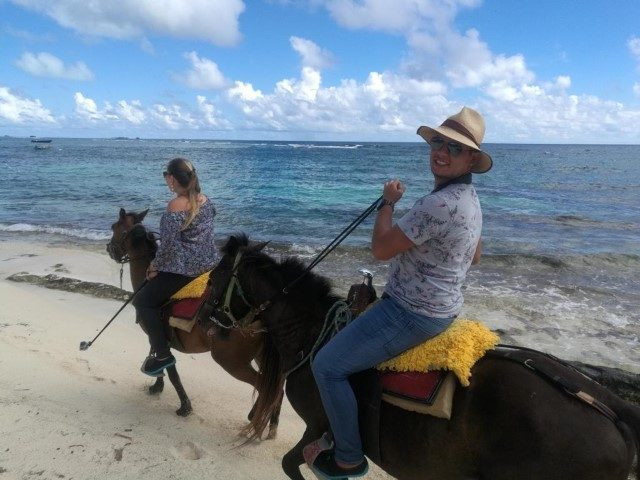
About an hour on horseback through the rural part of the island, away from the boats. You enter the beach at Tom Hooker, follow the shoreline and come back along the road. It includes a guide and equipment, and you have to reserve a day in advance.
It is simple, without postcard landscapes. Pay attention to how the horses look and, if you are not convinced, don’t do it. For more plans with children, see San Andrés with kids.
On the island there is also stand-up paddle, wakeboard, jet boat and subwing. If you prefer to get around on your own, build the route with the best routes in San Andrés.