
The 8 best beaches in Colombia
Eight beaches in Colombia worth the trip, from the Caribbean to the Pacific: Cabo San Juan in Tayrona, Playa Blanca on Barú, Johnny Cay, Isla Múcura, Pilón de Azúcar, Palomino, Sapzurro and Nuquí.
1. Cabo San Juan del Guía, Tayrona Park
Most of the best beaches in Colombia are on the Caribbean, and the one people dream about most is Cabo San Juan, in Tayrona National Park. For turquoise water without much fuss, go for Playa Blanca on Barú or Johnny Cay off San Andrés; for something wilder, Pilón de Azúcar in La Guajira, Sapzurro on the Panama border, or Nuquí on the Pacific.
Updated on November 27, 2026
| Beach | Where | Good pick if… | Getting there |
|---|---|---|---|
| Cabo San Juan del Guía | Tayrona Park, Santa Marta | you want the classic shot and do not mind a hike | On foot from Zaino or Calabazo, or by boat |
| Playa Blanca | Barú peninsula, Cartagena | you have one day and want clear water | Road or boat from Cartagena |
| Johnny Cay | Off San Andrés | you are in San Andrés and want the postcard cay | Boat from the island |
| Isla Múcura | San Bernardo archipelago | you want to sleep on a quiet island | Boat from Cartagena (about 2 h) or from Tolú |
| Pilón de Azúcar beach | Cabo de la Vela, La Guajira | desert meeting the sea sounds good | 4x4 tour from Riohacha |
| Palomino | Where La Guajira meets Magdalena | you want river, sea and a laid-back vibe | Road from Santa Marta (72 km) |
| Sapzurro | Acandí, Chocó | you want see-through water far from everything | Boat from Turbo or Necoclí to Capurganá, then on to Sapzurro |
| Nuquí | Pacific coast, Chocó | jungle and whales are your thing | By plane; there is no road |
None of these beaches feels the same year-round. Caribbean high season is December, January and Easter week, when everything fills up; the Pacific is at its best from July to October, with the whales. Always check the flag before you go in: on several of these coasts the sea is rough and currents give no warning.
If you already know where you are headed, see the city lists: the best beaches in Santa Marta, the best beaches in Cartagena and the best beaches in San Andrés. Still choosing a region? Start with the best destinations in Colombia.
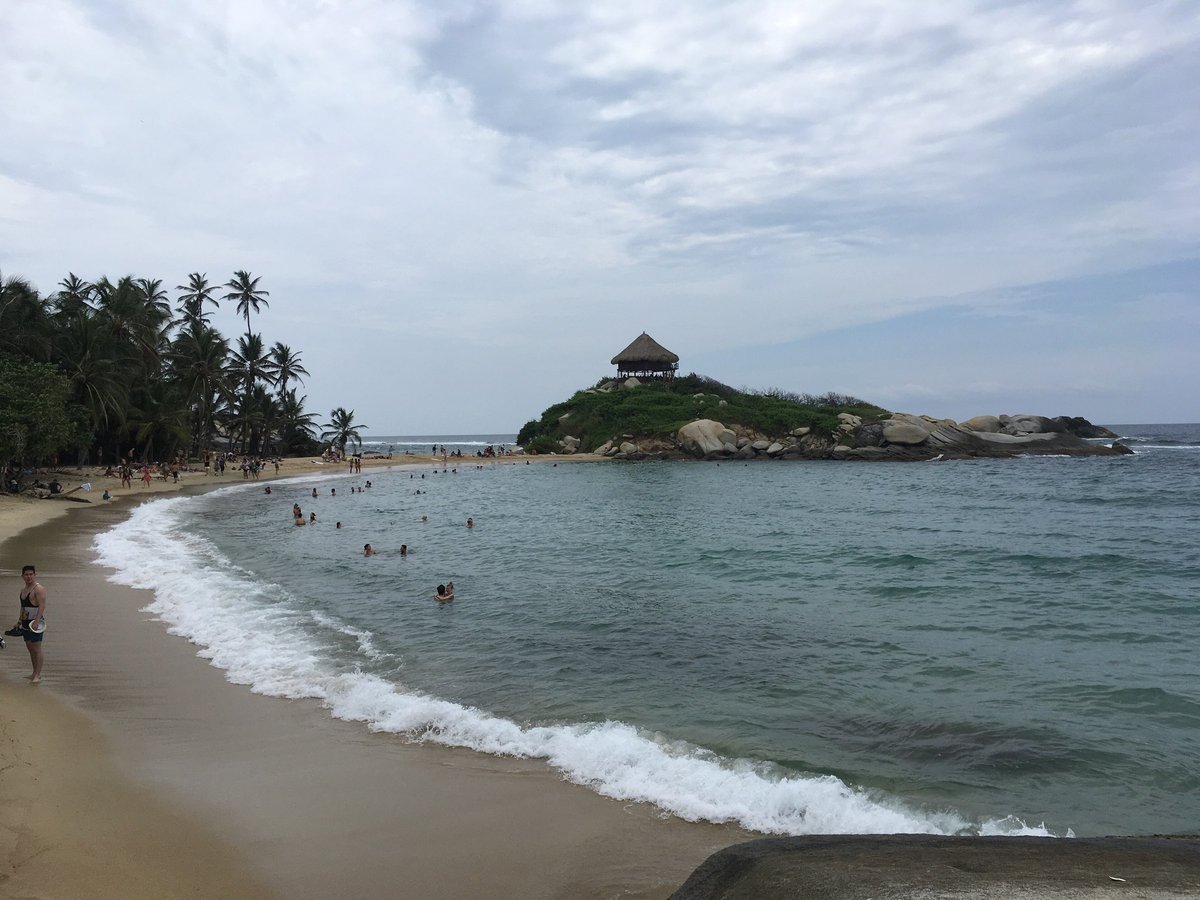
This is the image everyone links with Tayrona: a crescent of sand between jungle and rocks, with the thatched hut perched on the headland. It is also one of the few beaches in the park where you can swim calmly, which counts for a lot on a coast where the sea usually hits hard.
You earn it on foot. Most people enter through Zaino, 32 kilometers from Santa Marta, and follow the trail via Cañaveral and Arrecifes; boats also run from Santa Marta and Taganga. Do not swim at Arrecifes, which is not a bathing area.
Mind the dates: the park closes February 1 to 15, June 1 to 15 and October 19 to November 2, and you need insurance to enter. Set out early, with shoes that grip and plenty of water. Everything about getting there is in our Tayrona Park guide from Santa Marta.
2. Playa Blanca, Barú
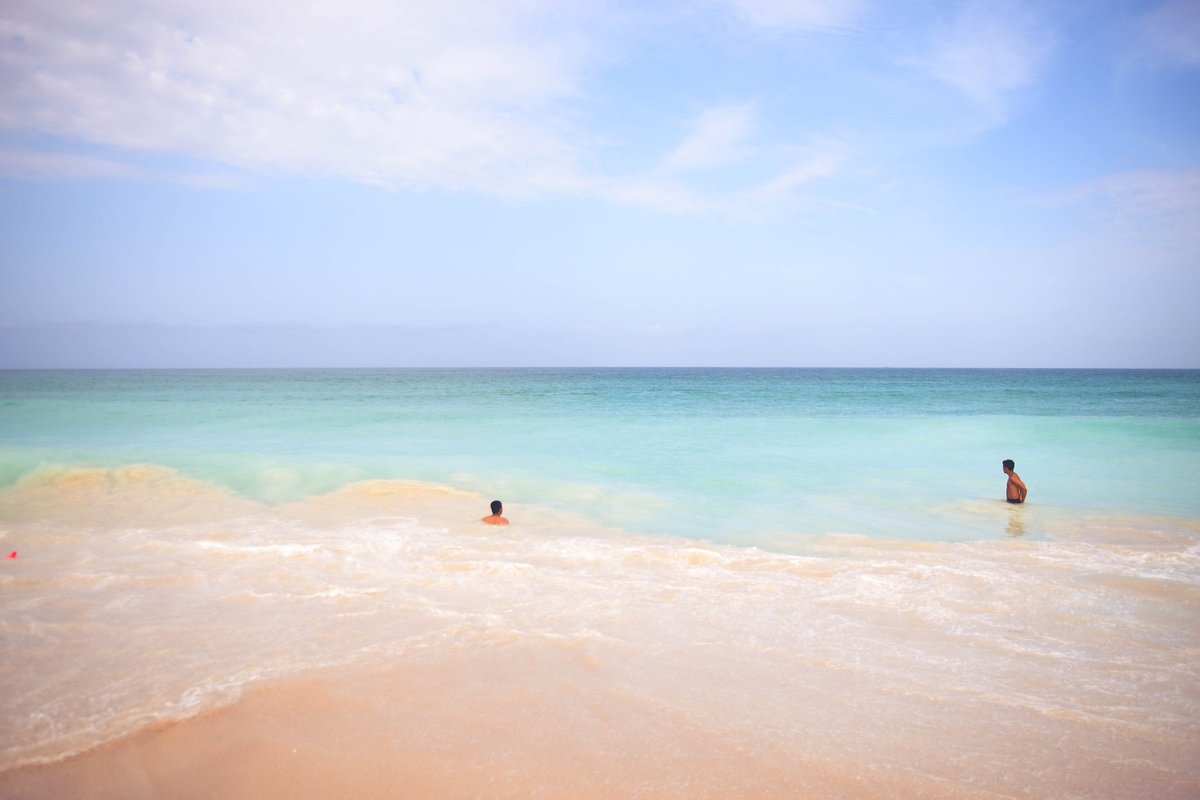
Pale sand, turquoise water and an entry so shallow you walk several meters with the sea at your waist. That is why Playa Blanca, on the Barú peninsula, is Cartagena’s most famous beach, and also its busiest.
You get there by road from the city or by boat. Fame has a price: Colombia’s national parks authority capped it at 3,124 visitors a day, and in high season the pier fills with day trips that all arrive at the same time.
The trick is to go early and walk away from the pier, where the beach gets quieter. Agree on the price of food and loungers before you sit down, since that is the most common complaint. If you want to spend the night, there are cabins and simple hotels right on the sand, and once the boats leave in the late afternoon, Playa Blanca becomes a different place.
3. Johnny Cay, San Andrés
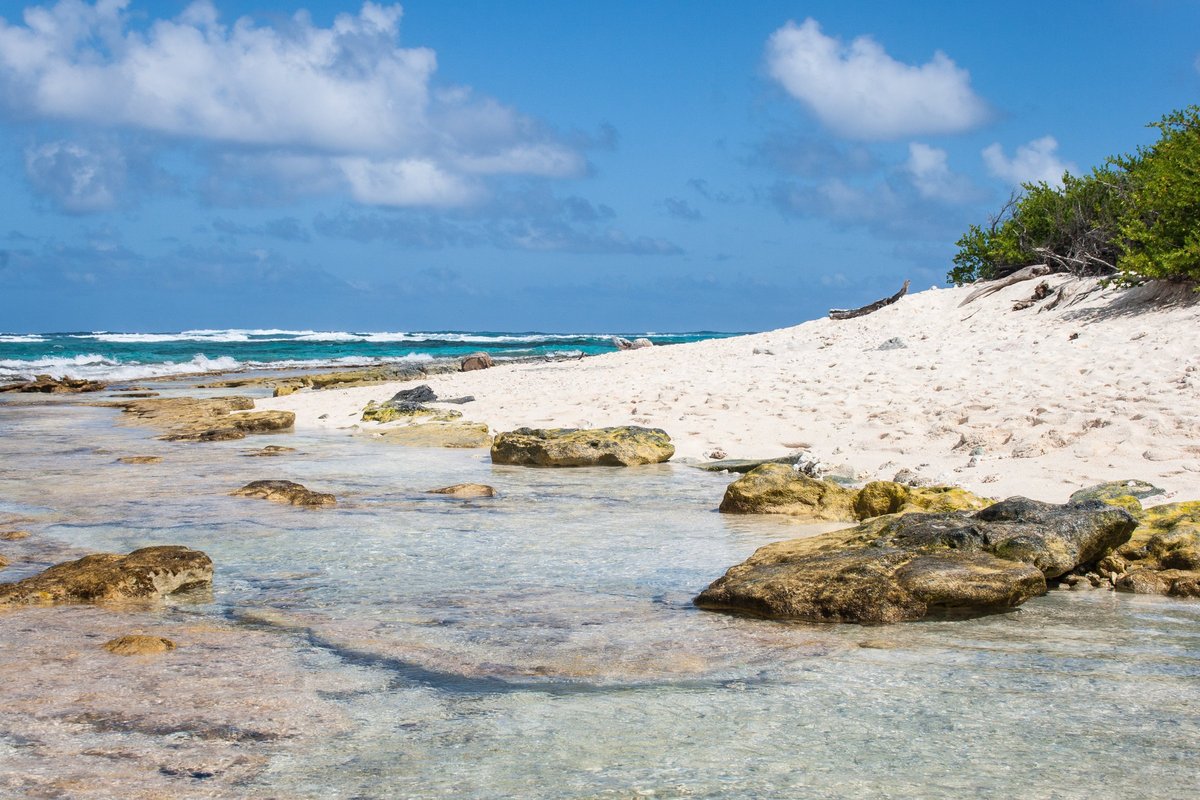
From Spratt Bight beach you can see it, a kilometer and a half to the north: a cay of palms and white sand in a sea that shifts from blue to green with the sun. Johnny Cay is the largest of the cays around San Andrés, and nearly everyone who visits the island ends up spending a day there.
Boats leave from San Andrés when the sea allows. The cay has fried-fish restaurants and music by the water, so do not expect solitude, especially around midday.
Swim where the lifeguards tell you to: some stretches of the cay have currents. Bring cash, sunscreen and a hat, because the palm shade runs out fast. To plan the rest of your trip, see our San Andrés guide.
4. Isla Múcura, San Bernardo archipelago
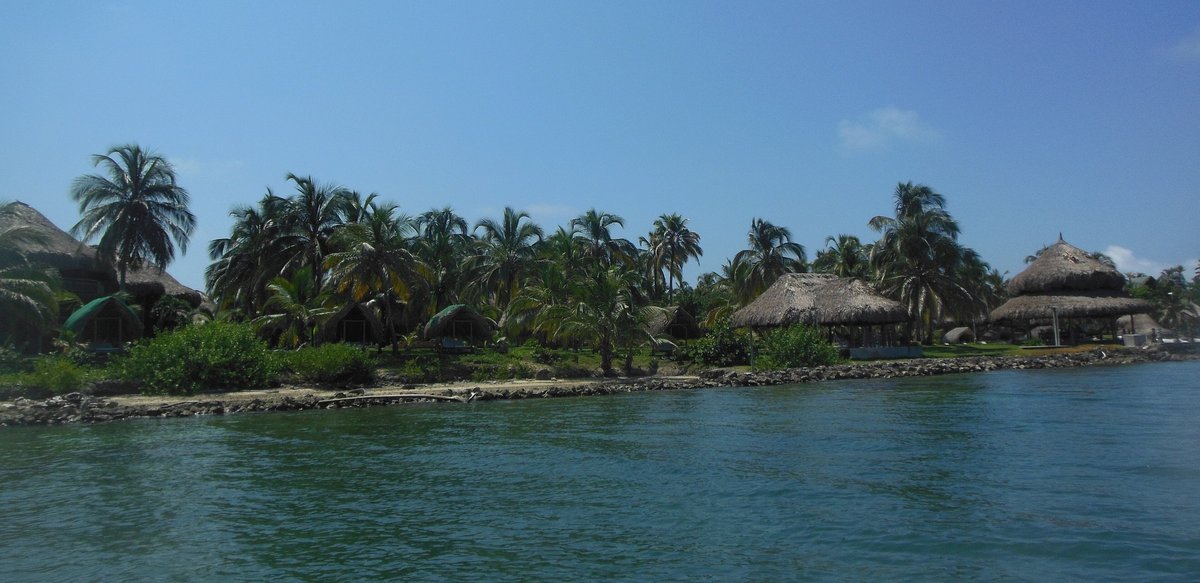
For sleeping by a still sea
Múcura is a coral island ringed by mangroves in the San Bernardo archipelago, part of the Corales del Rosario y de San Bernardo National Park. The water is calm and shallow, the kind of sea where you float without thinking about anything.
From Cartagena it is about two hours by boat; you can also come from Tolú, which is closer. Many people see it on a day trip, but what makes it worthwhile is staying a night at one of its beachfront lodges, when the groups leave and the island goes quiet.
From there you can visit Santa Cruz del Islote, the man-made islet where much of the archipelago’s population lives. Bring repellent for sunset, since the mangroves bring mosquitoes, and buy what you need before you leave: everything costs more on the island.
5. Pilón de Azúcar beach, Cabo de la Vela
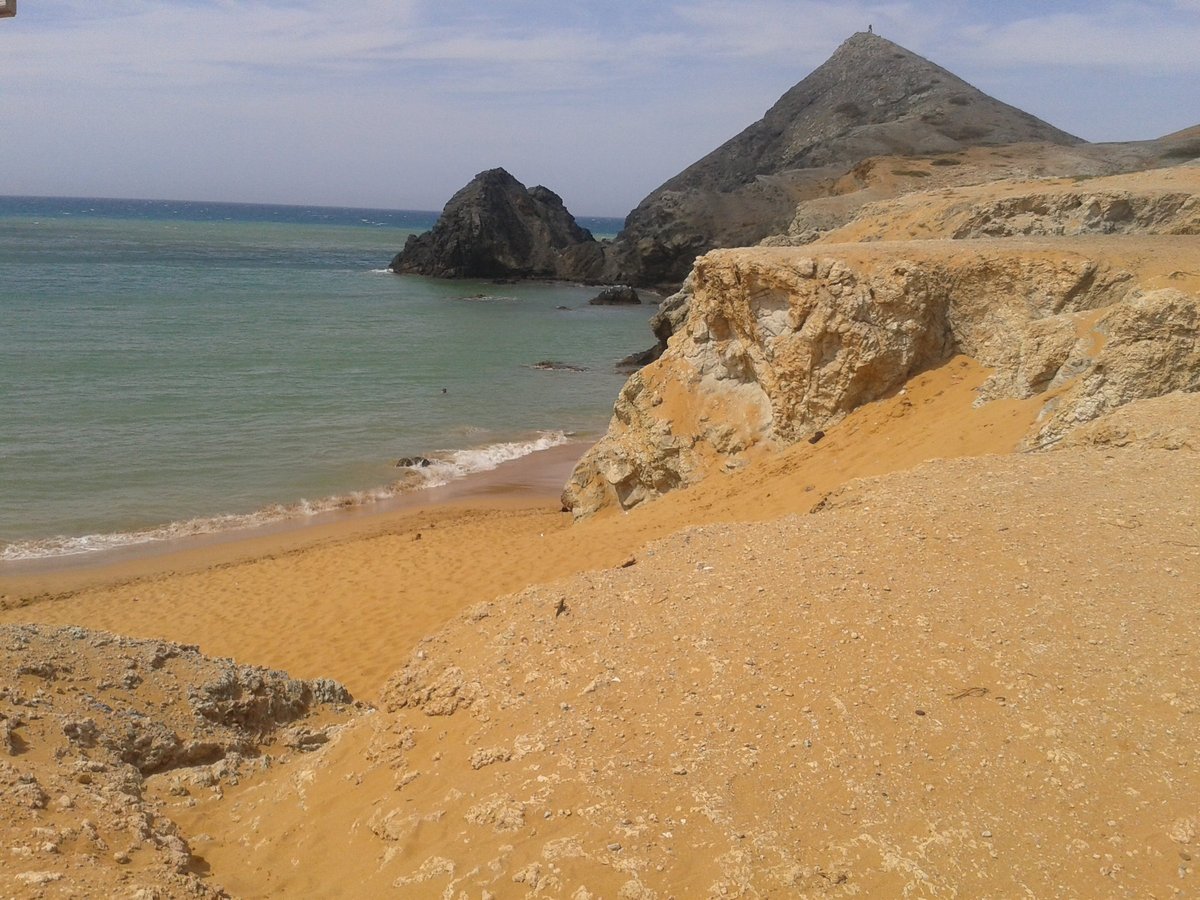
There are no palm trees here. There is an ochre hill dropping into the sea, golden sand, nonstop wind and water that goes from green to deep blue. For the Wayuu people, Cabo de la Vela, on the La Guajira peninsula, is Jepirra, the sacred place where the spirits of the dead pass on to the unknown. Arrive with that in mind.
The usual way in is a 4x4 tour from Riohacha, because desert tracks are easy to get lost on. Climb the Pilón de Azúcar before heading down to the beach: from the top you see the whole curve of the bay.
The wind that makes the Cape famous for kitesurfing also fills everything with sand, so keep your phone in a bag. Sleeping in a hammock at a Wayuu ranchería is part of the experience, and sunset at the lighthouse is better if you get there with time to spare.
6. Palomino, La Guajira
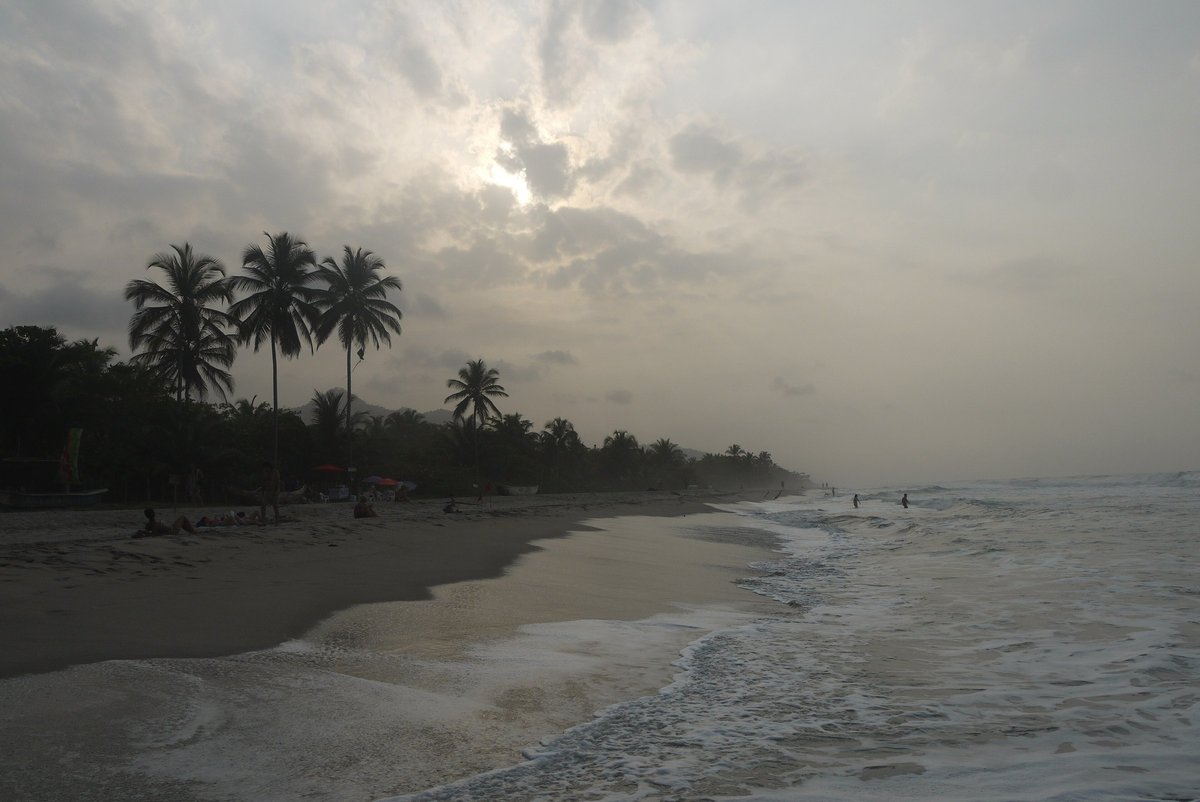
Palomino sits right where La Guajira meets Magdalena, 72 kilometers from Santa Marta along the Caribbean highway. It is a long beach of dark sand and palms, with the Sierra Nevada behind it and the Palomino River reaching the sea at one end.
The sea here is usually choppy with strong currents, so this is not a beach for swimming far out. The star plan is something else: walk upriver and float back down on an inner tube to the river mouth, between jungle and boulders.
The village has hostels, cabins and a relaxed scene of backpackers and people who come for a week and stay a month. If you go tubing, keep your phone in a dry bag and ask about river conditions; after a downpour up in the sierra it can rise quickly.
7. Sapzurro, Chocó
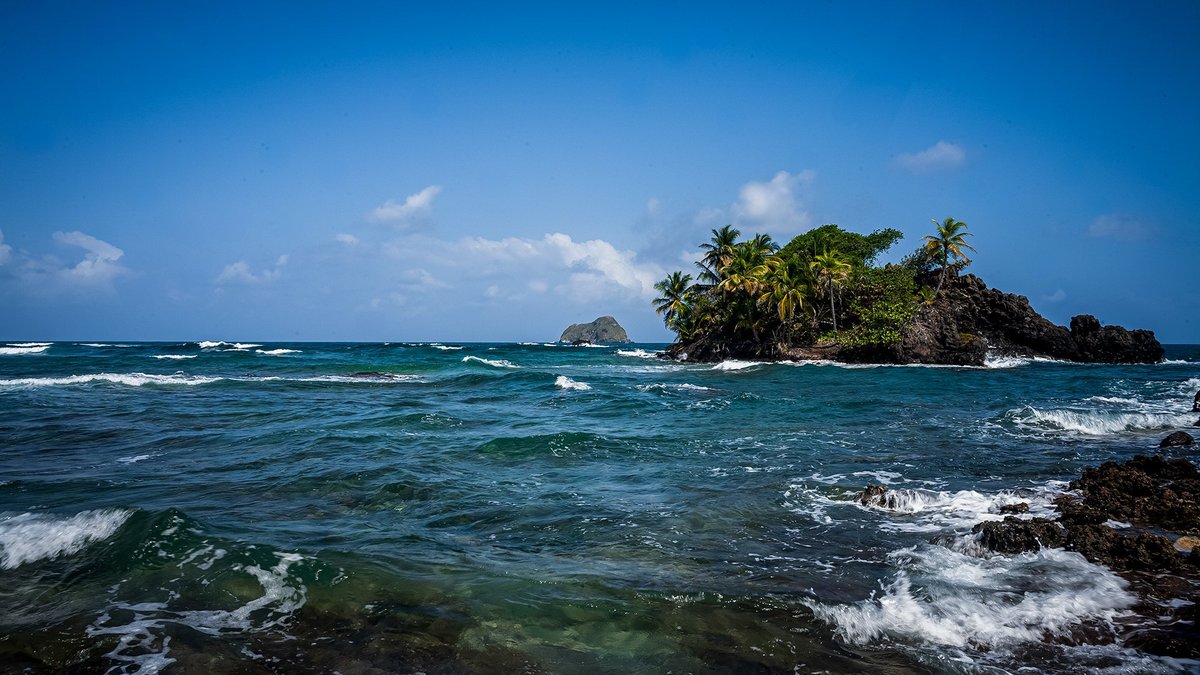
Want water so clear you can see fish from the shore? Sapzurro is the last village on Colombia’s Caribbean coast before Panama, in the municipality of Acandí, and its name comes from the Kuna language: "shallow bay." About 570 people live here, and there are no cars.
Getting there is part of the adventure. The usual route is a boat from Turbo or Necoclí to Capurganá, then on to Sapzurro, three kilometers away, by sea or along a jungle trail. The boat ride is bumpy: pack light and in a waterproof bag.
From the village a path climbs over the hill to La Miel, already in Panama, a white-sand beach you can walk to. Bring your passport or ID, as there is a border check, and cash, since not every place takes cards.
8. Nuquí, Chocó Pacific coast
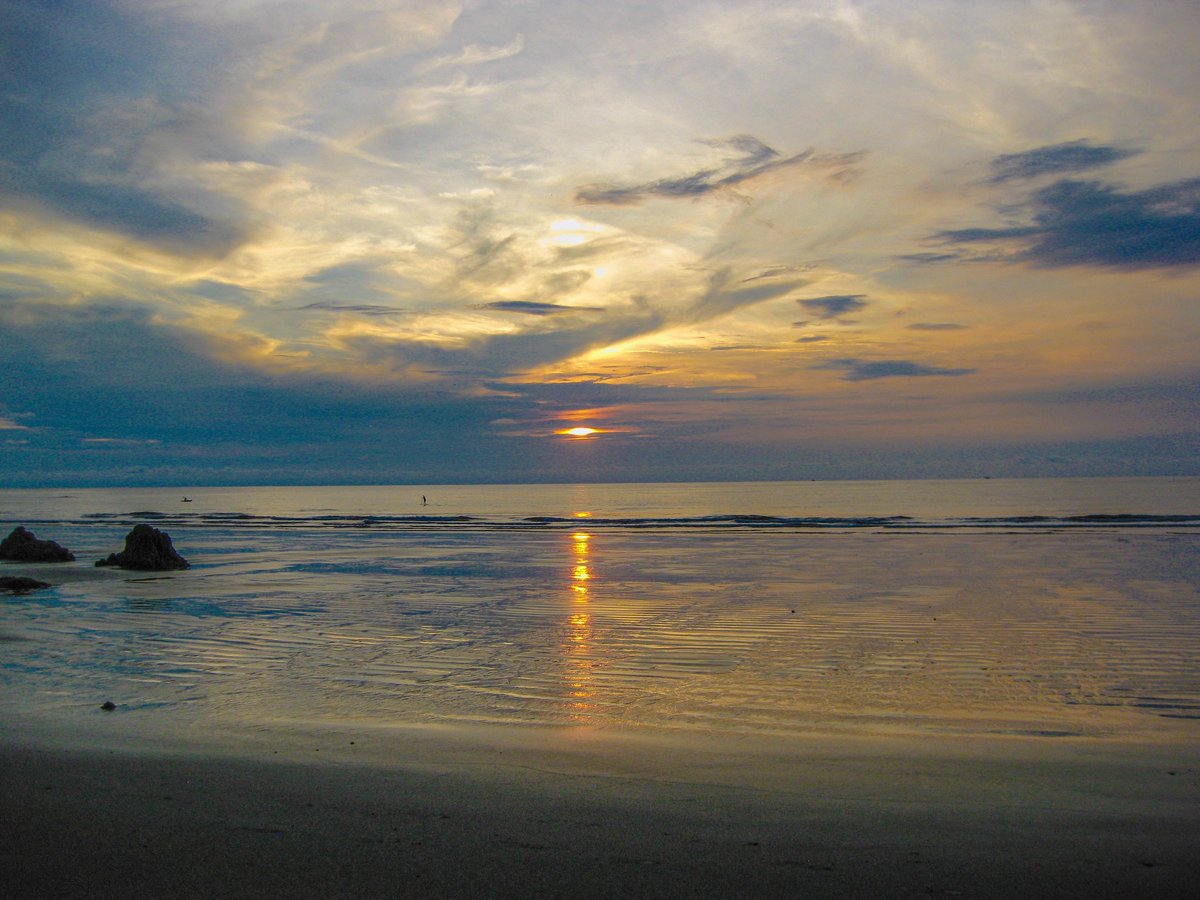
The Pacific is a different world: jungle running down to the sand, serious rain, tides that reshape the beach within hours, and waters where humpback whales come to give birth. Nuquí is the gateway to it all, with long dark-sand beaches and hardly anyone around.
There is no road. You fly in, and from town boats take you to the lodges along the coast. Whale season runs from July to October, and that is when it is busiest.
This is not a cocktail-and-lounger beach. It is for walking at low tide, soaking in a hot spring after the rain and watching the jungle from the sea. Pack rubber boots or sandals that can get wet, a rain jacket and repellent, and book ahead if you go in whale season.