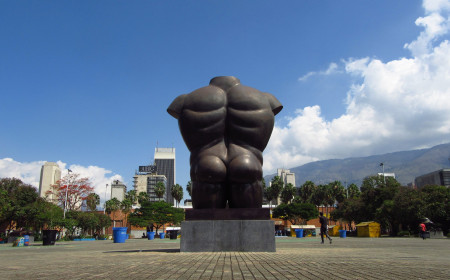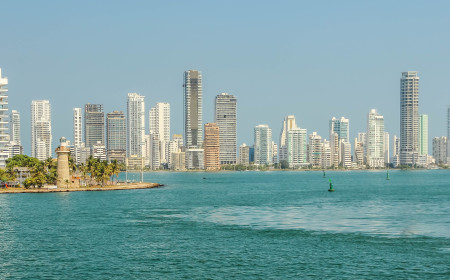

The 8 best destinations in Colombia to visit
Eight destinations in Colombia to plan your trip around, from the Caribbean to the Amazon: what each one offers, how many days to give it and how to combine them.
1. Cartagena de Indias
For a first trip, the best destinations in Colombia are usually Cartagena, Santa Marta and San Andrés if you want the sea, and Medellín, the Coffee Region and Bogotá if the mountains pull you more. With extra time, the Amazon from Leticia and the La Guajira desert show you a country few people picture.
Updated on November 27, 2026
| Destination | Region | Good pick if… | Suggested days |
|---|---|---|---|
| Cartagena de Indias | Caribbean | you want history, food and nearby beaches | 3 to 4 |
| Santa Marta | Caribbean | you want sea and mountains on one trip | 3 to 5 |
| San Andrés | Caribbean islands | you are after colorful water and Raizal culture | 3 to 5 |
| Medellín | Andes, Antioquia | you prefer a city, hills and day trips | 3 to 4 |
| Coffee Region | Andes, Caldas, Risaralda and Quindío | coffee, small towns and wax palms call you | 3 to 5 |
| Bogotá | Andes, Cundinamarca | you are going for museums, neighborhoods and food | 2 to 4 |
| Amazon | Rainforest, Leticia | you want the river, the jungle and local communities | 4 to 6 |
| La Guajira | Caribbean, desert | you are after desert, dunes and Wayuu culture | 3 to 5 |
Colombia is bigger than it looks on the map, and getting from one region to another usually means flying. It is better to pick two or three destinations and give them time than to rush through six. Cartagena, Santa Marta and La Guajira pair well by road along the coast; so do Medellín and the Coffee Region.
If you like small towns, see the most beautiful towns in Colombia; for the sea, the best beaches in Colombia, and for specific sights, the top tourist attractions in Colombia.
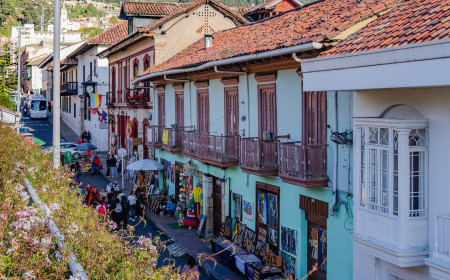
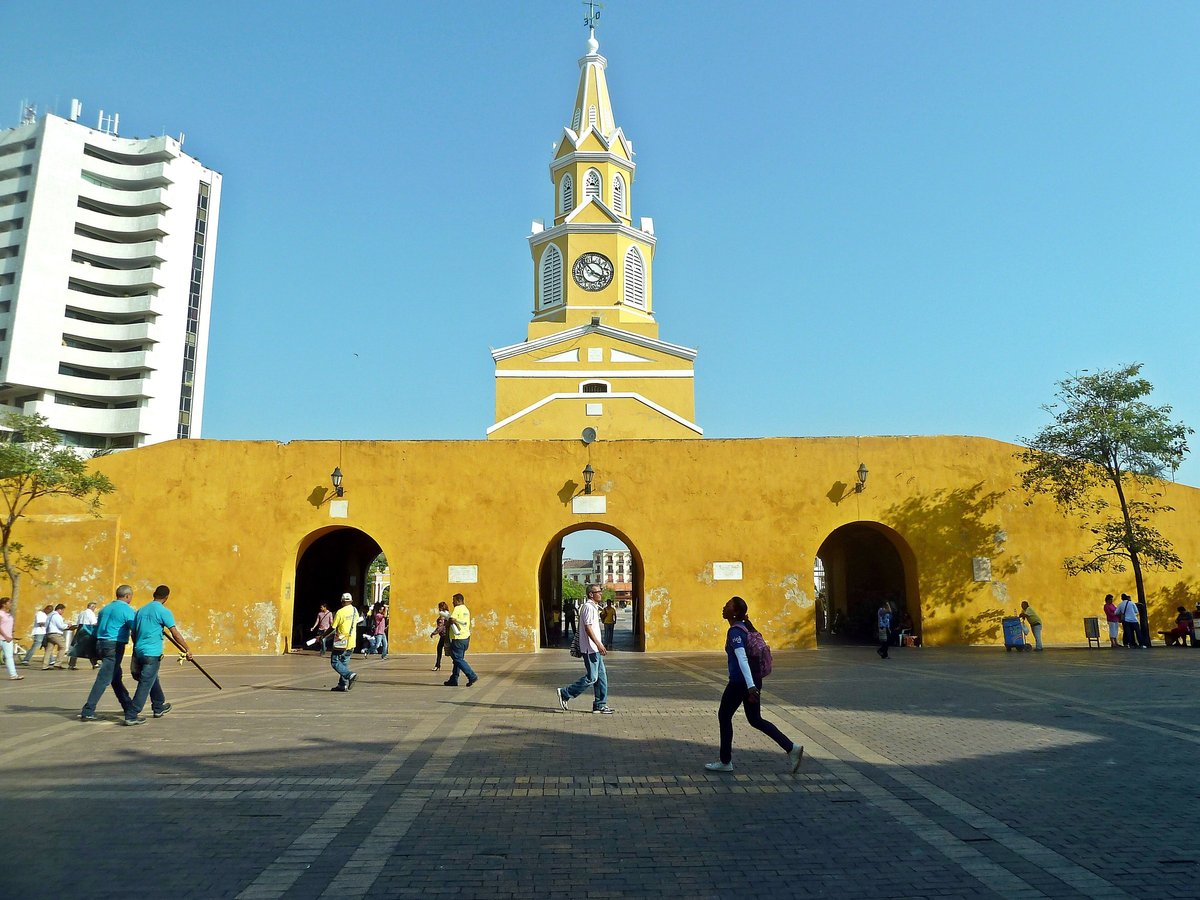
Walking the Walled City early, while the streets are still quiet and the balconies throw shade across the colorful facades, is the best way to start. UNESCO listed Cartagena’s port, fortifications and monuments as a World Heritage Site in 1984, and the Castillo de San Felipe de Barajas is part of that listing.
Outside the walls lies Getsemaní, with its murals and neighborhood life, and a boat ride away are the Rosario Islands and Barú. The heat hits hard at midday, so save those hours for the sea or a siesta.
Everything is in our Cartagena de Indias guide and the best things to do in Cartagena.
2. Santa Marta
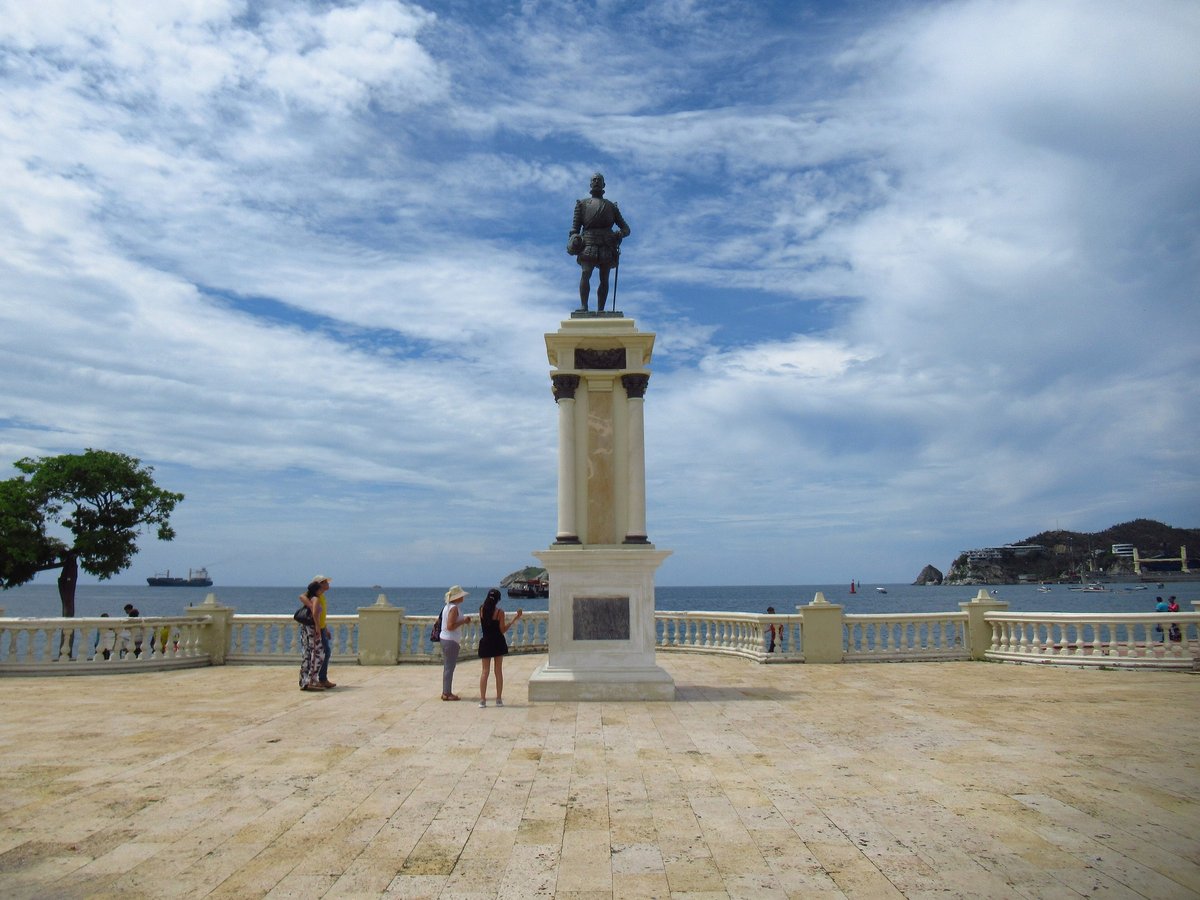
In Santa Marta, the Sierra Nevada rises right behind the beach. That means you can wake up facing the Caribbean and end the afternoon drinking coffee in Minca, among trees and mist.
The city is the base for Tayrona National Natural Park, the Lost City trek and mountain villages. Downtown you will find the Cathedral Basilica, the Tairona Gold Museum, Parque de los Novios and the bayfront promenade.
Give it three to five days and walk the center early or once the sun goes down. See the Santa Marta guide and the Tayrona Park guide.
3. San Andrés
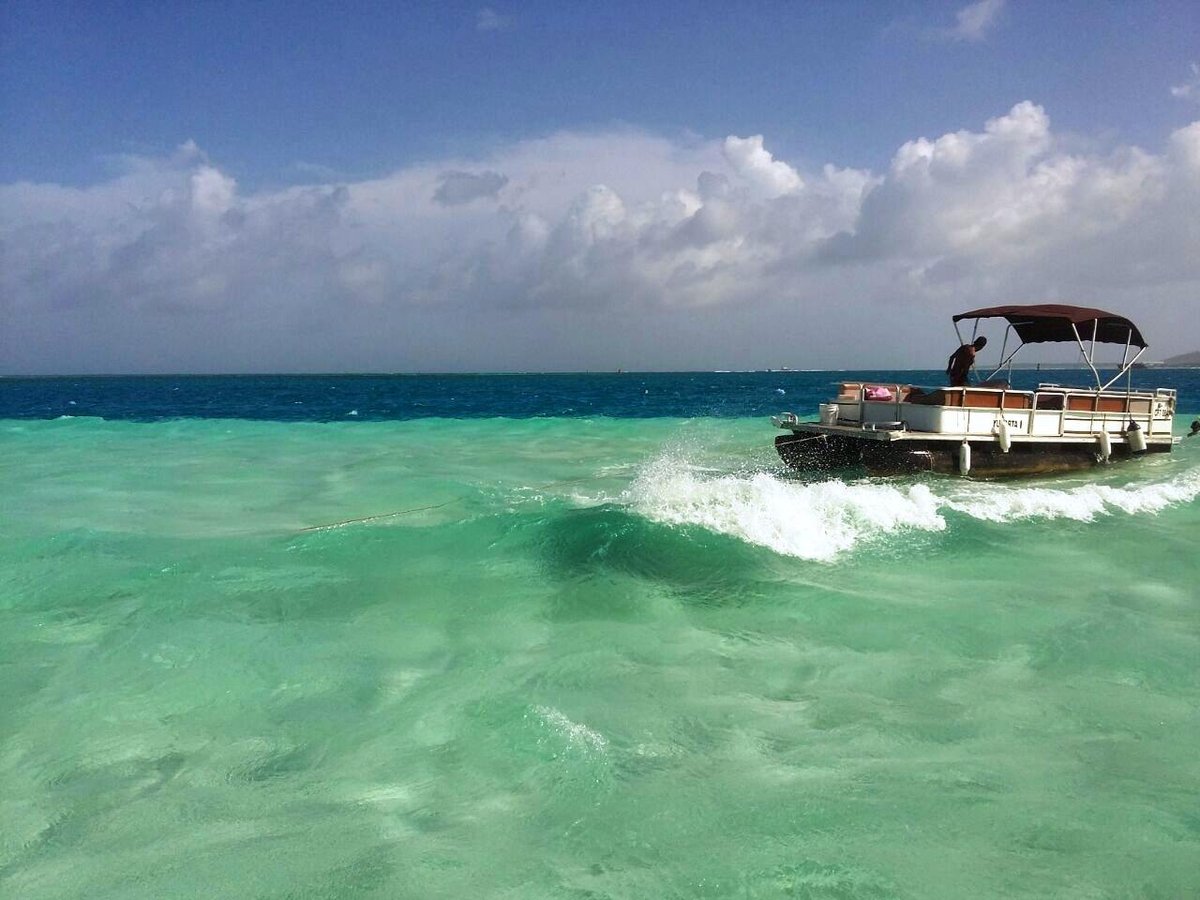
The sea around San Andrés is not one shade of blue: it shifts with depth, sun and clouds. It is the main island of the San Andrés, Providencia and Santa Catalina archipelago, with a culture all its own, the Raizal, with its music, its coconut-and-fish cooking and its Creole language.
In a few days you can go from Spratt Bight to Johnny Cay, snorkel in clear water and loop the island on the ring road. Every visitor pays for a tourism card to enter.
Three to five days is enough for beaches, cays and some island culture without rushing. Here is the San Andrés guide and the best beaches in San Andrés.
4. Medellín
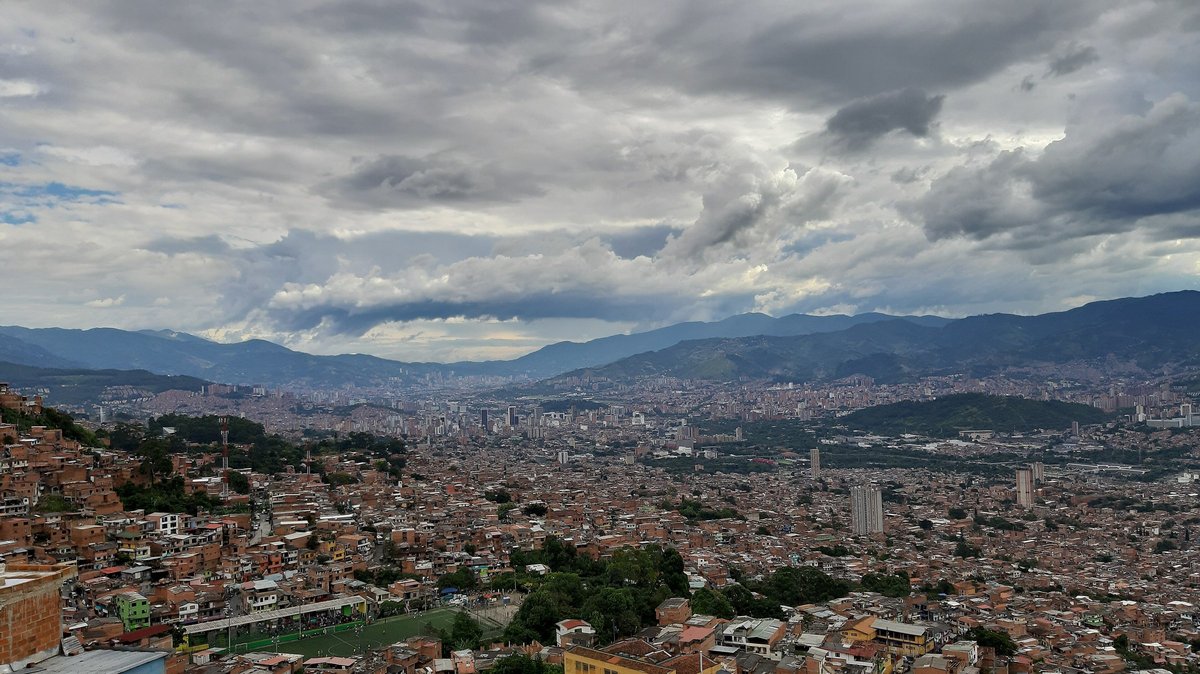
Medellín makes sense from above: ride the Metrocable and watch the city climb the slopes of the Aburrá Valley. Comuna 13 with a guide, Plaza Botero and Parque Arví are the visits almost everyone makes on a first trip.
To stay, choose El Poblado or Laureles depending on your plans. The city is also the base for trips to Guatapé and the Piedra del Peñol, about two hours by road, or to southwestern Antioquia.
If it is your first time, start with the Medellín guide and continue with the best things to do in Medellín.
5. Coffee Region
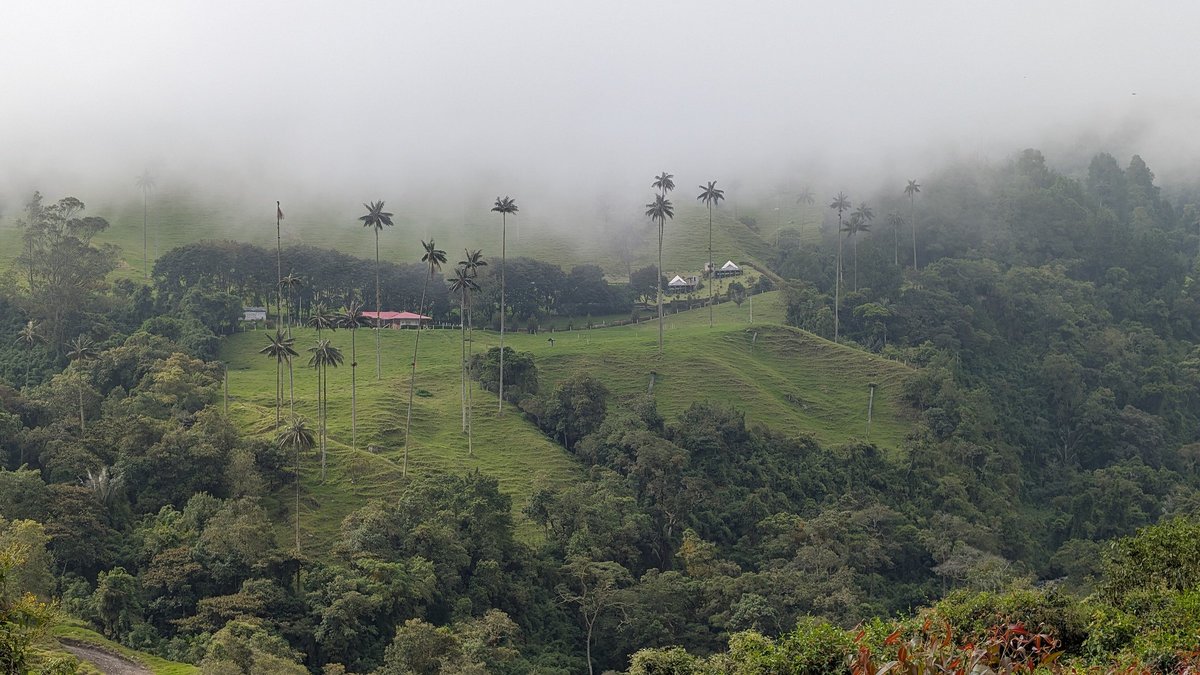
The Coffee Region is not a city but an area of mountains, farms and towns spread across Caldas, Risaralda and Quindío. UNESCO listed the Coffee Cultural Landscape of Colombia as a World Heritage Site in 2011, recognizing its family farms planted on impossibly steep slopes.
This is where you will find Cocora Valley, with wax palms that seem to touch the clouds, and towns with colorful balconies such as Salento and Filandia. Pereira, Armenia and Manizales all have airports, so getting in is easy.
Pack rain gear in any season and set aside at least one morning for a coffee farm. It is all in the Coffee Region guide and the best things to do in the Coffee Region.
6. Bogotá
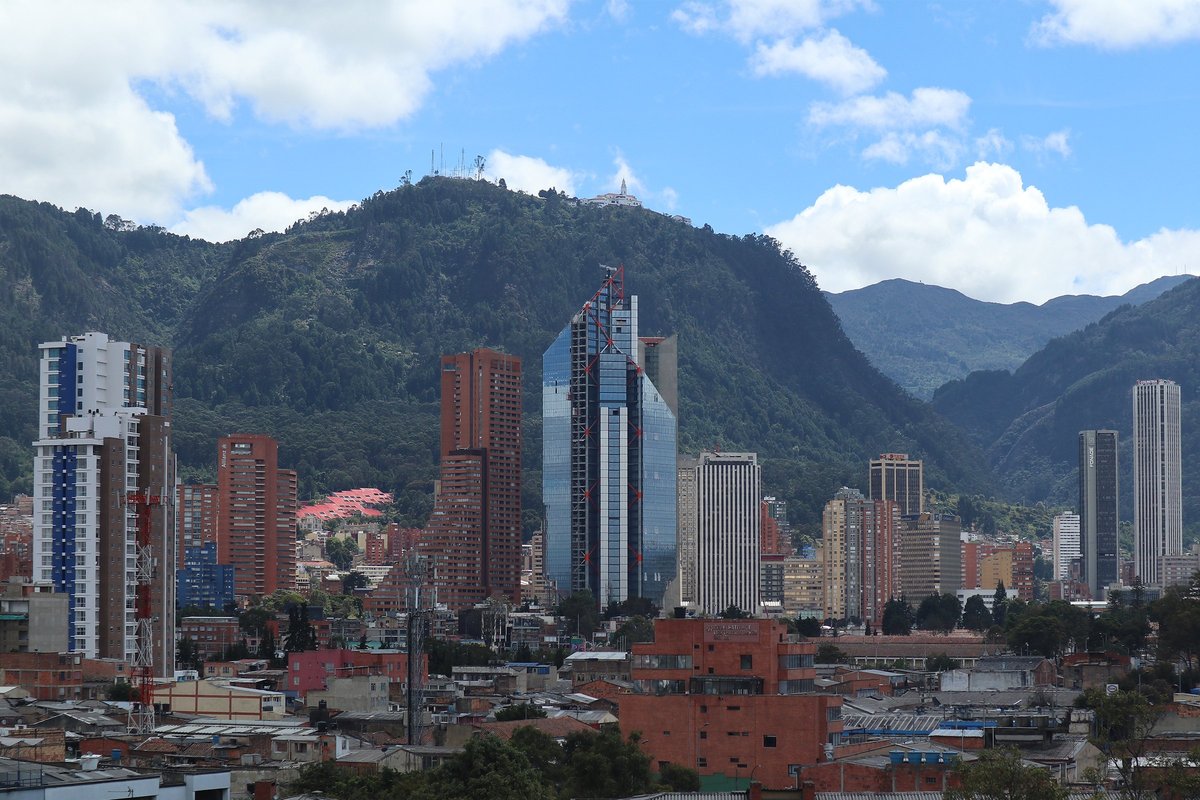
At more than 2,600 meters above sea level, Bogotá is best explored neighborhood by neighborhood, with a jacket on. La Candelaria, the historic center, holds the Gold Museum, the Botero Museum and steep streets climbing toward the hills, with Monserrate watching over everything.
The city has some of the best restaurants in the country and enough museums to fill several days. On Sundays, the Ciclovía closes avenues to cars and the city fills with bikes.
Take your first day easy because of the altitude. To plan, see the Bogotá guide and the best things to do in Bogotá.
7. Amazon, from Leticia
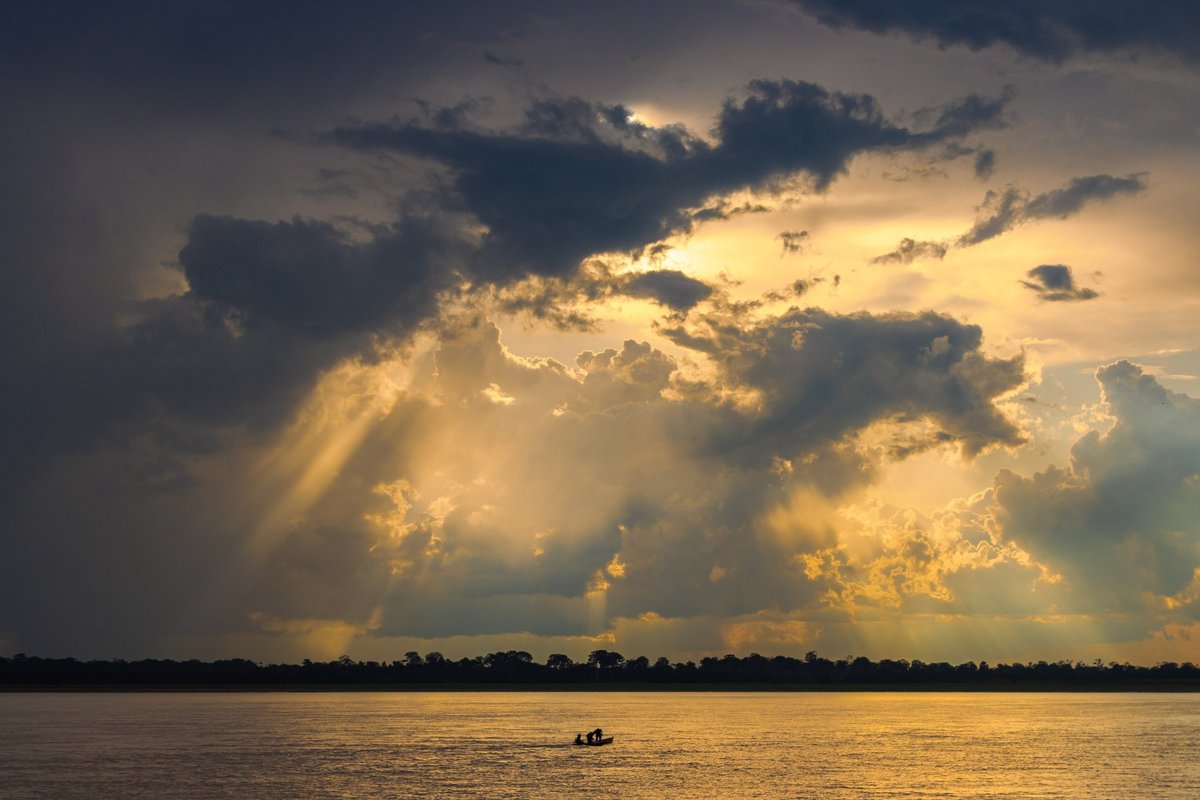
In the Amazon, nature sets the pace. Leticia, the department capital, sits on the banks of the Amazon River at the triple border with Brazil and Peru, and it has no road link to the rest of Colombia: you fly in.
From there, boats head to Puerto Nariño and to jungle communities and reserves. At sunset, Leticia’s Parque Santander fills with huge flocks of birds.
Give it four to six days and go with local guides. Seeing wildlife is never guaranteed, and that is part of the trip. Read the Colombian Amazon guide and the best things to do in the Amazon.
8. La Guajira
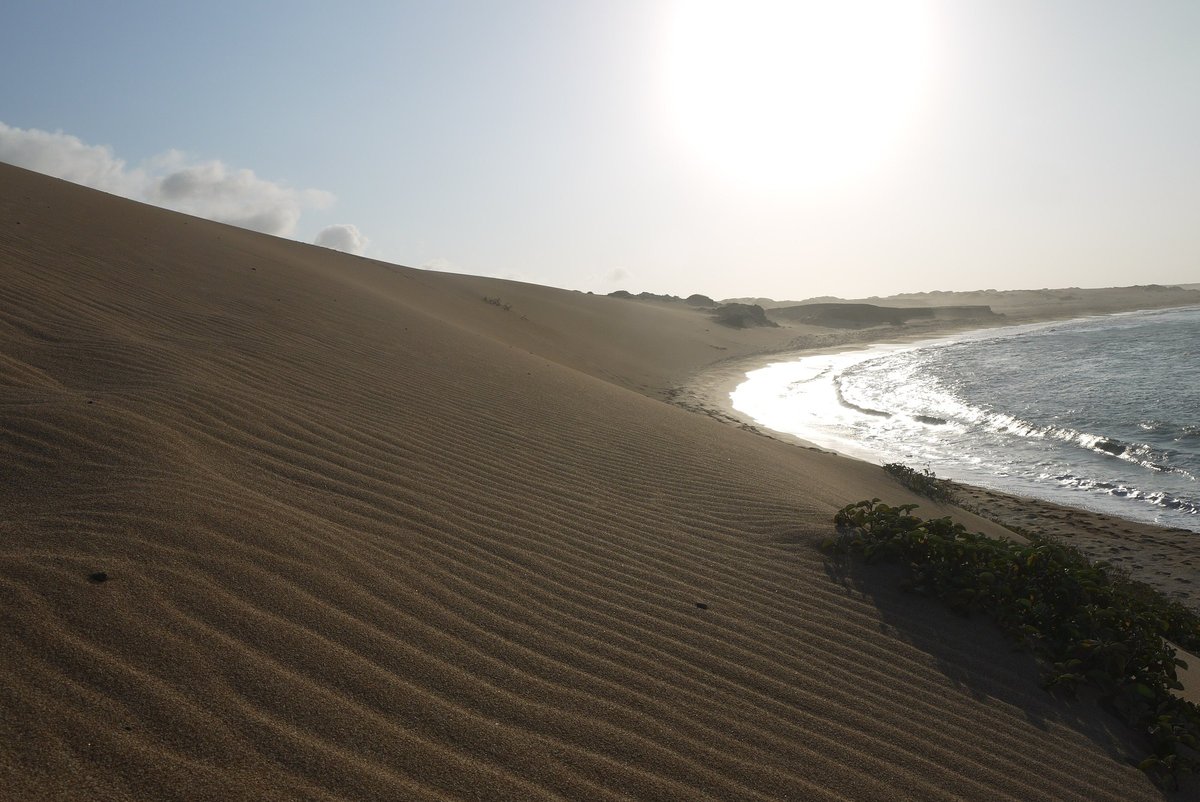
La Guajira is desert that ends in the sea. Dunes like those at Taroa drop straight into the Caribbean, and Punta Gallinas is the northernmost point of South America. This is Wayuu land, and their rancherías, hammocks and woven mochila bags are everywhere.
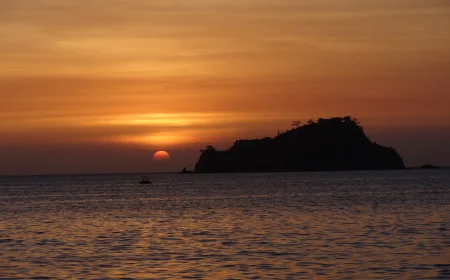
Cabo de la Vela is the best-known stop, with windy beaches that draw kitesurfers and sunsets from the lighthouse. Riohacha is the base city for heading out.
The roads in the north are sandy tracks, so the usual way to go is on a tour with a 4x4 and a local driver. Bring water, sunscreen and cash, and for beach plans check the best beaches in Colombia.