
The 7 best things to do as a couple in Bogotá
Seven plans for couples in Bogotá and nearby: Monserrate, La Candelaria, the Botanical Garden, the Gold Museum, Usaquén, Zipaquirá and Laguna de Guatavita.
1. Climb Monserrate
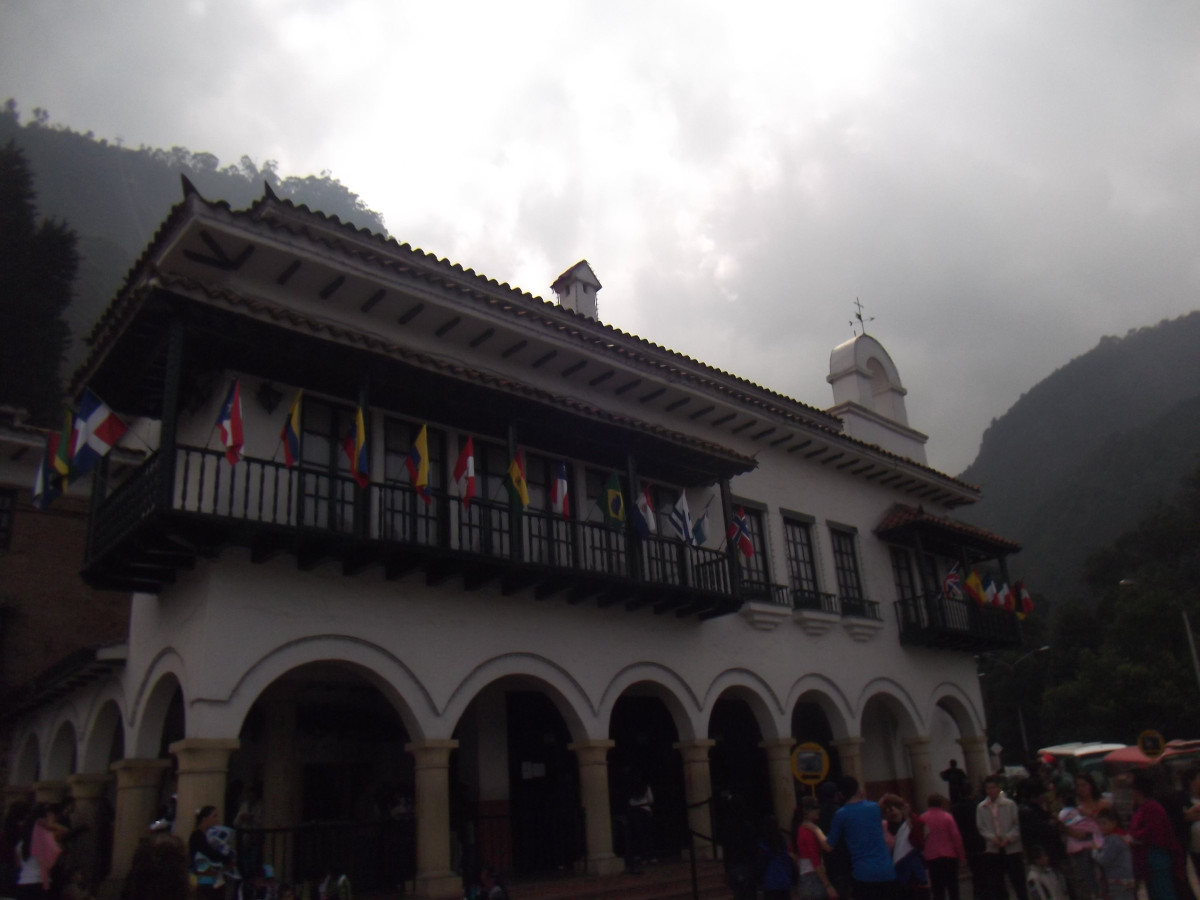
The best things to do as a couple in Bogotá combine height and street: going up Monserrate at the end of the afternoon, wandering through La Candelaria and spending a rainy morning in the Gold Museum. If you have a day outside the city, the Salt Cathedral of Zipaquirá and Laguna de Guatavita are to the north.
| Plan | Area | A good fit if you and your partner… | More information |
|---|---|---|---|
| Cerro de Monserrate | Eastern hills, above downtown | want to see the city from above | monserrate.co |
| La Candelaria | Historic center | prefer to walk without a fixed plan | Walks in Bogotá |
| José Celestino Mutis Botanical Garden | Engativá | are looking for a quiet, green plan | jbb.gov.co |
| Gold Museum | Downtown | want a plan under a roof | banrepcultural.org |
| Usaquén and its flea market | North of the city | want to stroll and eat well on a weekend | mercadopulgasusaquen.com |
| Salt Cathedral of Zipaquirá | 29 km north, in Zipaquirá | have half a day or more | catedraldesal.gov.co |
| Laguna de Guatavita | Sesquilé, north of Bogotá | want nature and Muisca history | car.gov.co |
Bogotá is best enjoyed without rushing, and the altitude (2,600 meters) asks for it. To complete the trip, go into the Bogotá guide, look at more things to do in Bogotá and where to eat. And if you want a place to sleep with character, there is a list of boutique hotels in Bogotá.
Monserrate: the classic plan for seeing Bogotá from above
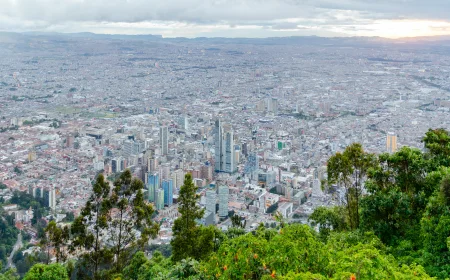
Go up Monserrate as the day starts to fall. The hill reaches 3,152 meters and there are three ways up: the pedestrian trail, the funicular, which has run since 1929, and the cable car, since 1955. A good idea is to go up on one and come down on the other.
At the top there is a sanctuary, restaurants and a path for watching hummingbirds, and the official site encourages going both by day and at night, when the city lights up. At that height the air is thin: walk slowly, drink water and bring a jacket, because it is cold up there even when there is sun below.
Tickets and hours are on monserrate.co. If you go up by funicular or cable car, buy the ticket ahead of time.
2. Get lost in La Candelaria
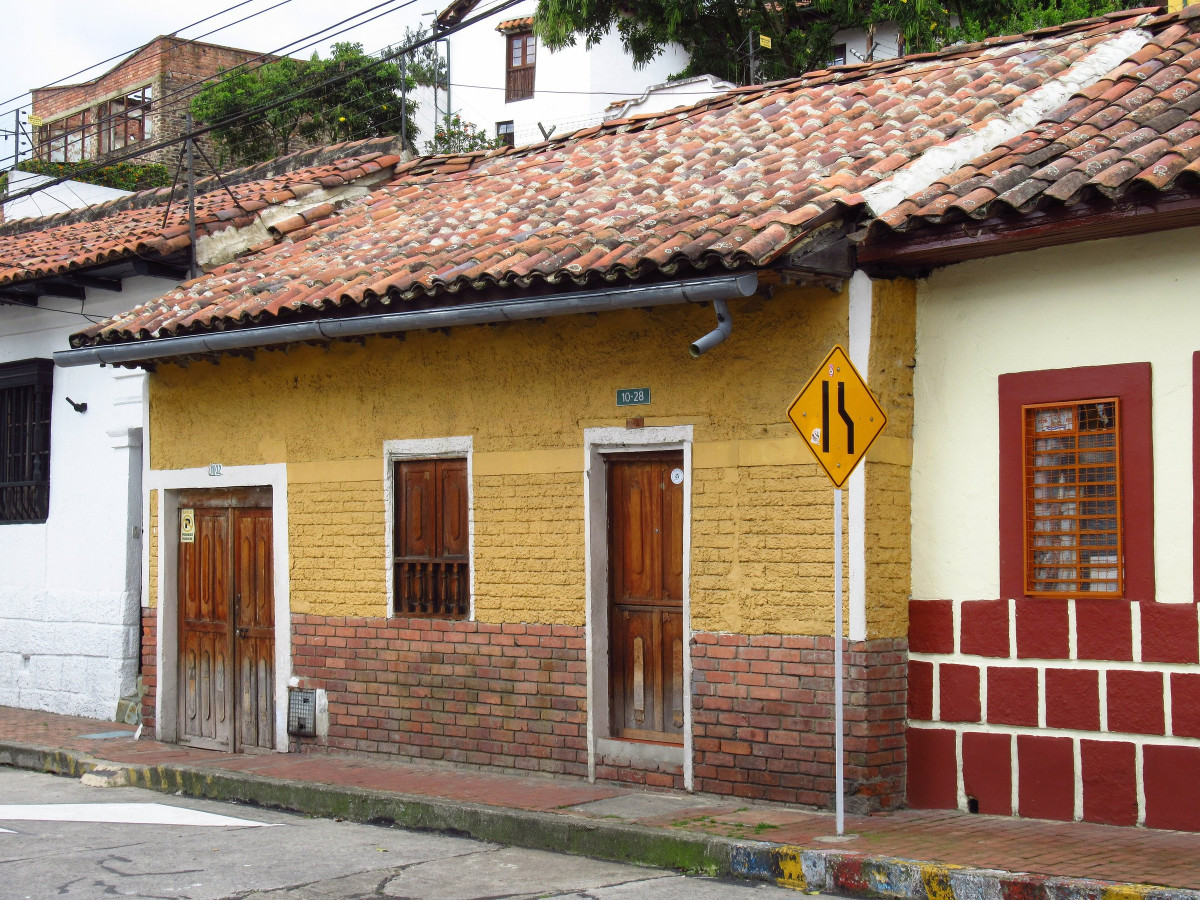
This is where Bogotá began. According to the city’s history, Gonzalo Jiménez de Quesada founded the first Spanish settlement near today’s Chorro de Quevedo, at carrera segunda and calle trece. Today it is the neighborhood of low houses, clay tiles and colorful façades at the foot of the hills.
You do not need an itinerary: walk down the streets, look at the façades and let the plan assemble itself. It is one of those walks that is better without a clock.
If you want more ideas in the area, look at the best walks in Bogotá and the experiences that are trending in the city. And keep the last hour of the afternoon for the Gold Museum, which is nearby, or for going up Monserrate.
3. Walk through the Botanical Garden
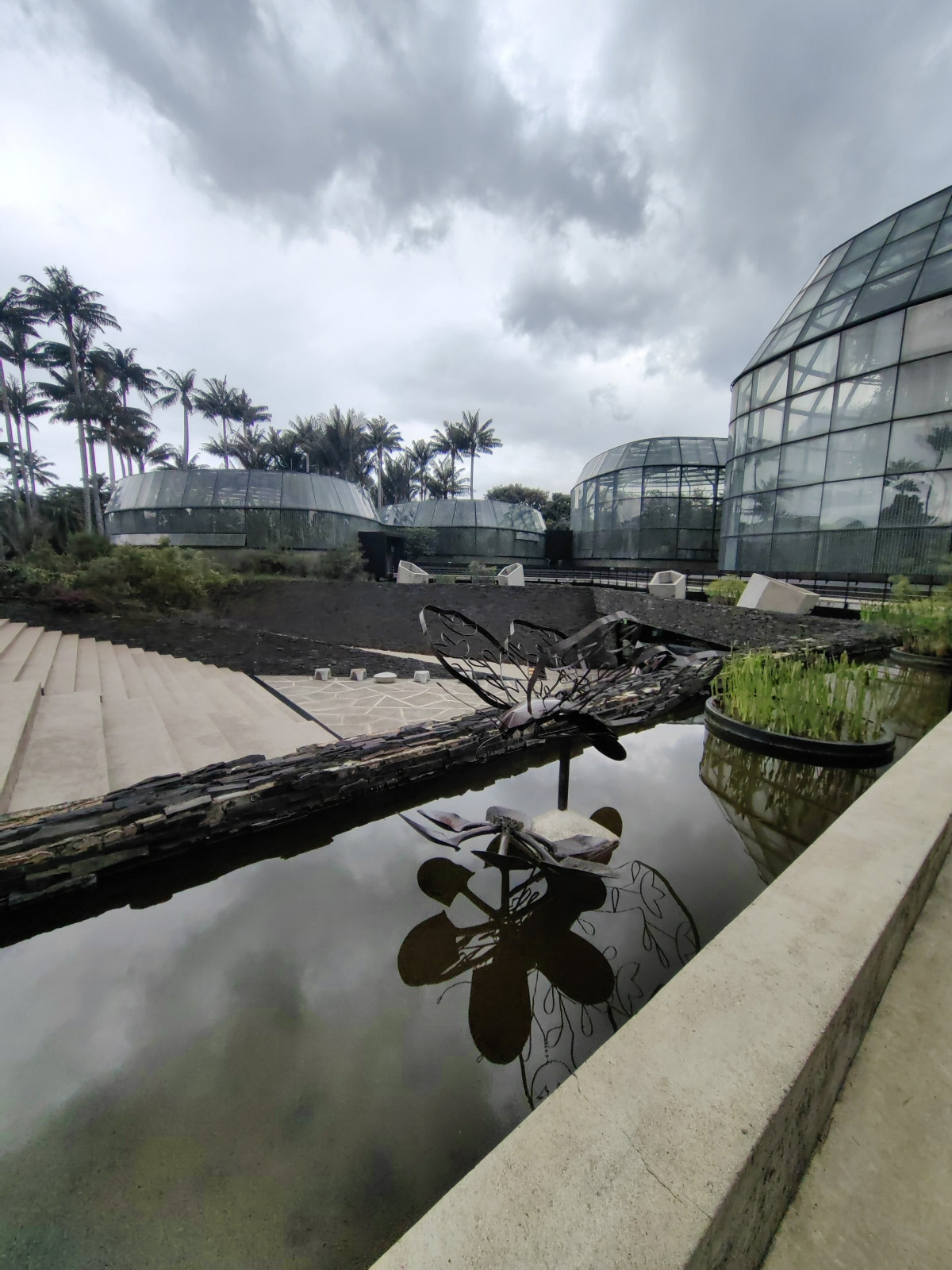
The José Celestino Mutis Botanical Garden is in Engativá and covers about 195,000 square meters. It was founded in 1955 by the priest Enrique Pérez Arbeláez and today has about 900 species, almost 78 percent of them native.
It is a slow-paced plan: paths among plant collections and the Tropicario greenhouses, where you can take shelter if the day dawns cold or rainy, something very common in Bogotá. Arrive in the morning, wear layers and bring an umbrella just in case: in Bogotá the weather changes several times in a single day.
The garden takes the name of the astronomer and botanist José Celestino Mutis, who led the Royal Botanical Expedition: over 33 years he catalogued some 20,000 plant species. Hours and entry are on jbb.gov.co.
4. Go into the Gold Museum
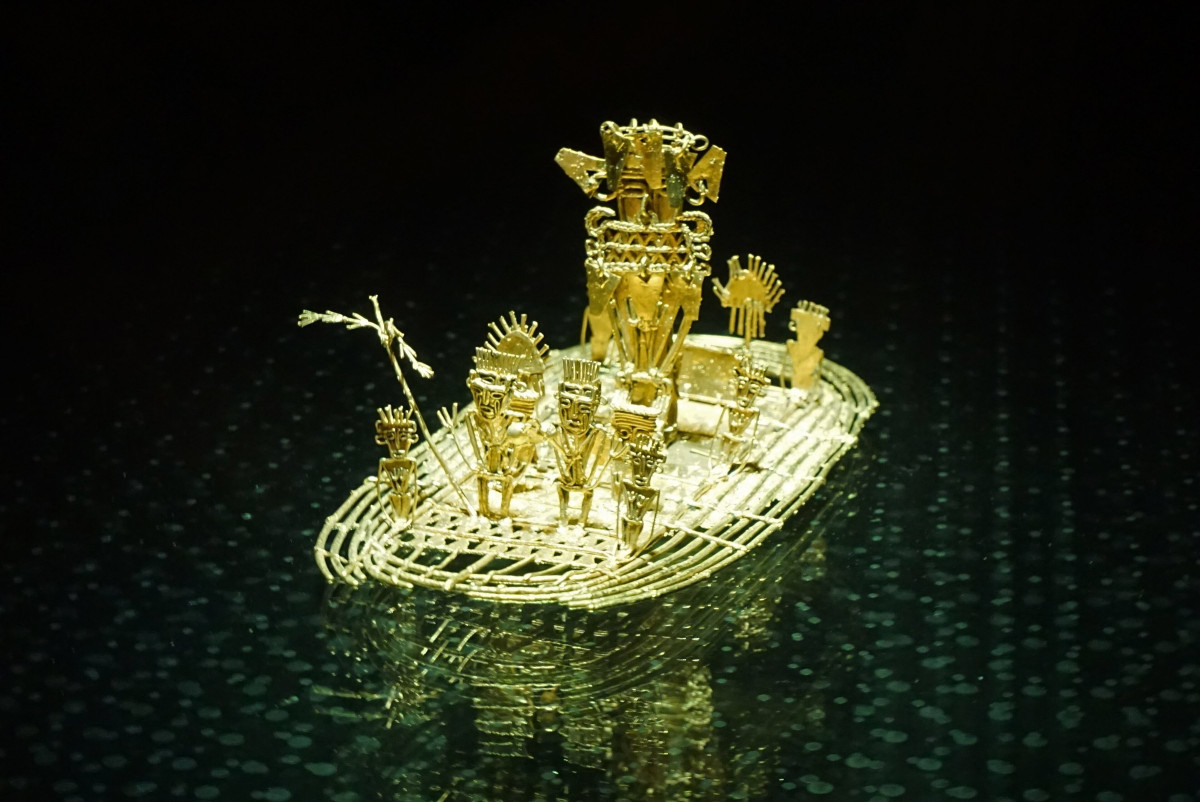
If it rains, this is the plan. The Gold Museum, of the Banco de la República, holds more than 34,000 gold pieces and thousands of objects in ceramic, stone and textiles from Indigenous cultures before the arrival of the Europeans. It opened to the public in 1959 and was completely renovated in 2008.
The piece that starts the most conversation is the Muisca raft. It shows what the rituals of the sacred lakes were like, including Guatavita, and it ties into the legend of El Dorado, so it can be the beginning of the lagoon plan.
It is downtown, so it combines well with La Candelaria on foot. Give the visit time, because the rooms are meant to be read slowly. Hours, rates and temporary exhibitions are on banrepcultural.org.
5. Stroll through Usaquén on a weekend
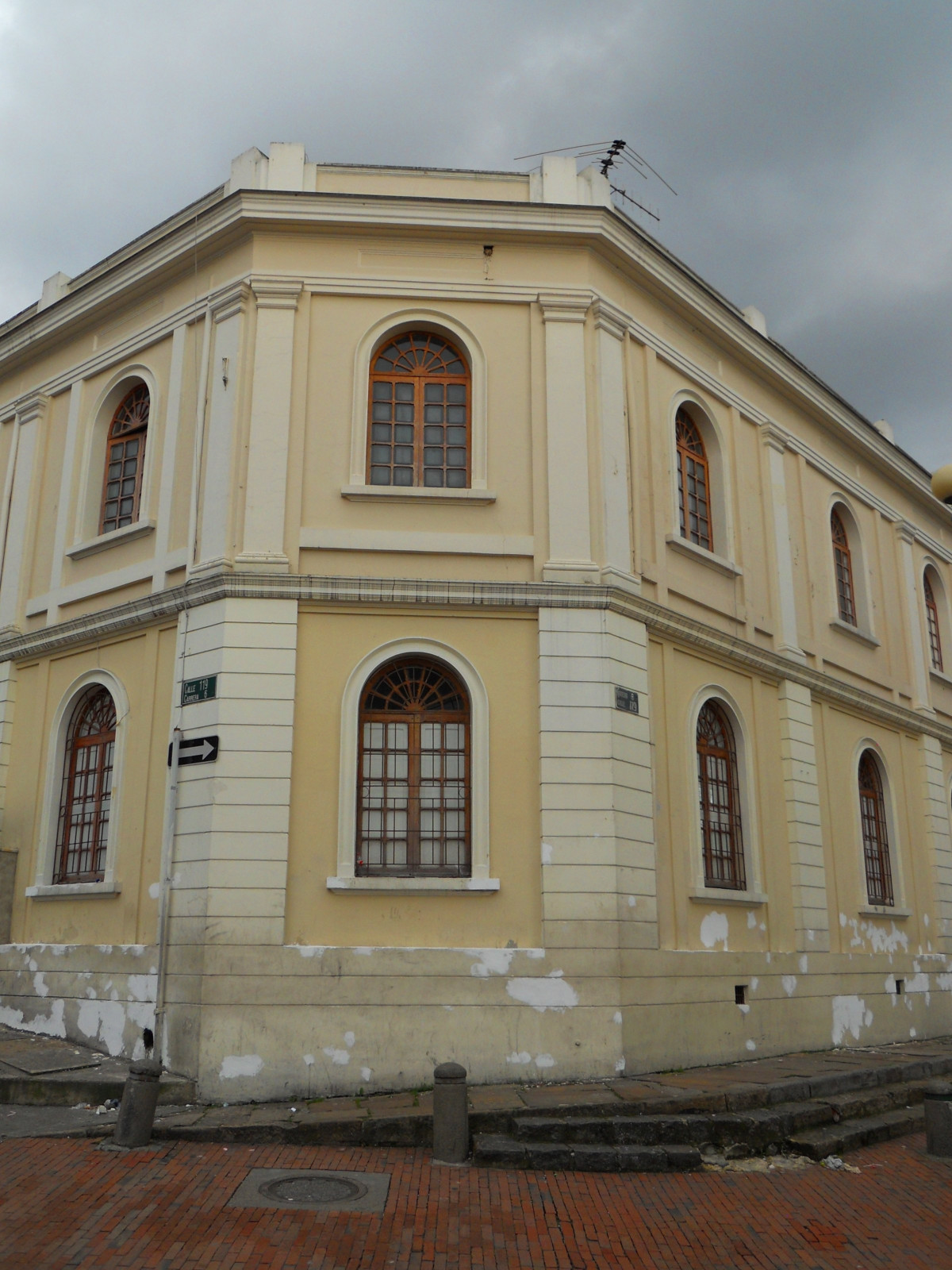
Usaquén was a town before the city caught up with it, and you can still see that in its old core and in the parish of Santa Bárbara, from 1665. It is in the north of Bogotá and is the place for an afternoon of walking and food.
Go on a Saturday, a Sunday or a holiday Monday: the flea market runs those days from 9:00 a.m. to 5:30 p.m. on carrera 6A, between calles 119 and 120A. There are crafts, and around it a food area stretches out.
Let lunch set the pace and do not try to see everything: it is a plan of walking slowly, looking in windows and sitting down to talk. If the afternoon stretches, you can close the day at a restaurant in the area, without rushing.
6. Go down into the Salt Cathedral of Zipaquirá
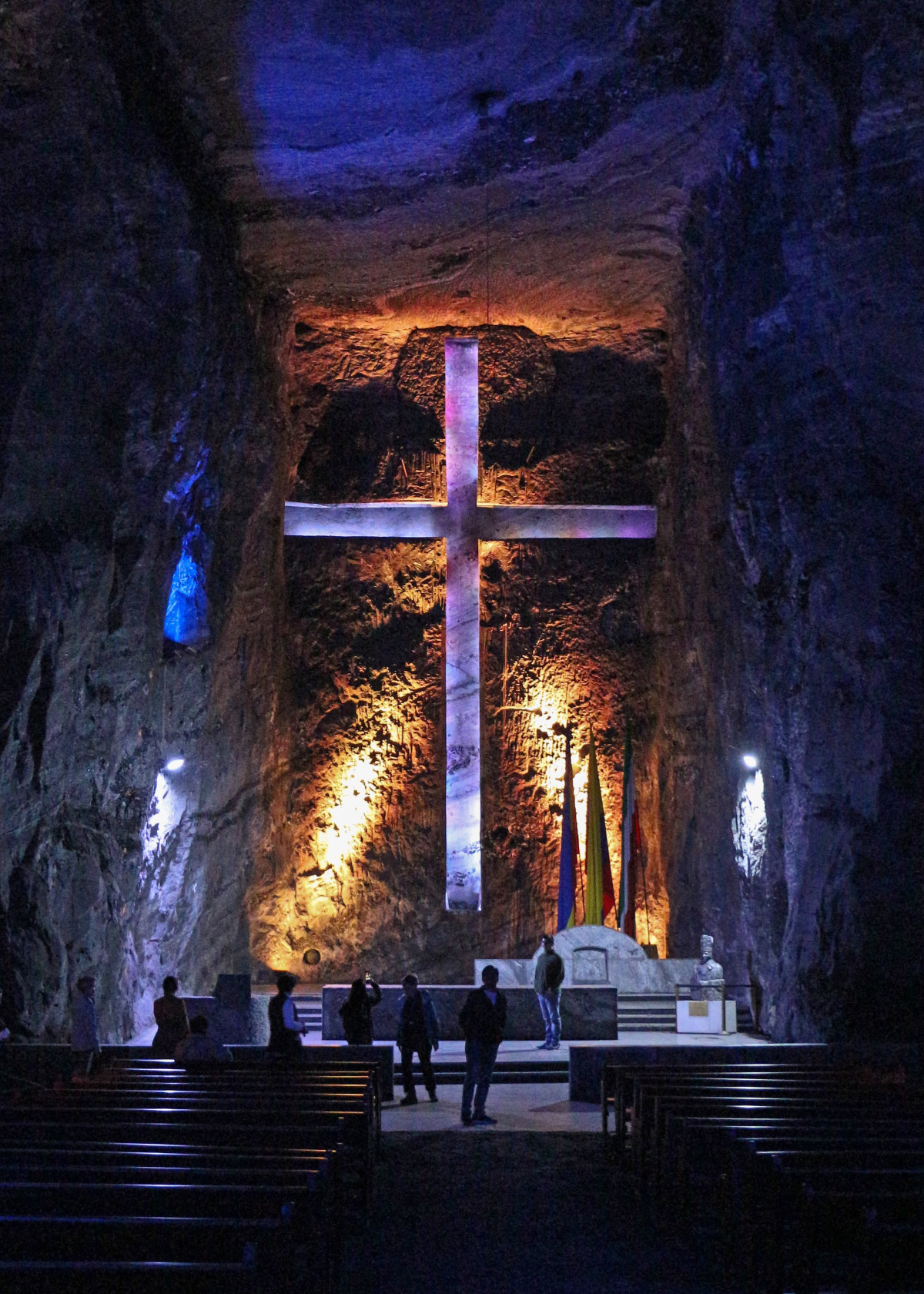
A cathedral built inside a salt mine, 180 meters underground, presented as the First Wonder of Colombia. Zipaquirá is 29 kilometers north of Bogotá, at 2,680 meters, and the visit combines art, history and light.
The park offers a guided tour and audioguides in seven languages, and also the miner’s route, the museum and a climbing wall for anyone who wants a bit more adrenaline. The naves of the cathedral are the strong moment: the lit rock and the silence make the visit feel intimate.
Bring a light jacket and comfortable shoes, and set aside half a day. Rates and hours are on catedraldesal.gov.co before you go.
7. Visit Laguna de Guatavita
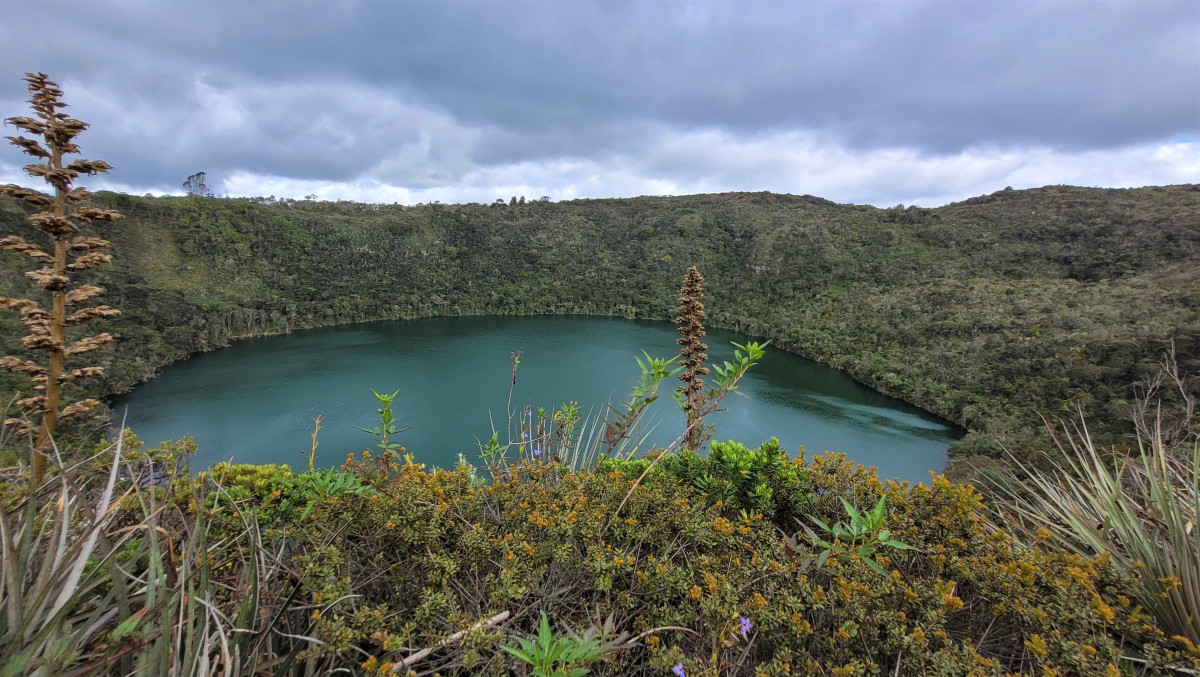
Laguna de Guatavita was sacred to the Muisca and is tied to the legend of El Dorado. It is an almost circular depression between 350 and 430 meters across, at about 3,100 meters, inside a CAR reserve. According to the legend, the new zipa covered himself in gold dust and went out on a raft for the investiture ceremony.
The visit is a guided walk of about two kilometers to the slope that frames the lagoon. It is about two hours from the city; the tourism office proposes a one-day route that joins Guatavita, Zipaquirá and Usaquén. Bundle up: at that height the weather changes fast.
Before you go, confirm with the CAR the days and hours (the lagoon usually closes on Mondays) and, if you are going in a group, the reservation.