
The 7 best things to do in Cali
Seven plans in Cali, all with confirmed operations after the August earthquake: climb Cristo Rey, dance at Lunes de Topa in La Topa Tolondra, the Cali Zoo, the Gato del Río and the boulevard, the Botanical Garden, the hummingbirds of Kilómetro 18 and the Pance River.
1. Climb Cristo Rey
After the earthquake of August 10, any list of the best things to do in Cali has to start with the obvious: confirm what is open. The Cathedral of San Pedro, La Merced and the Teatro Municipal have restricted use, and the Museo del Oro Calima still has no reopening date, so they are not here. What is here is a city that has been asking out loud for visitors, and that is best enjoyed outdoors, dancing or eating. We mixed city, mountain and river; we do not list prices because they change.
If you want more niche ideas, look at the experiences in Cali that are trending, and for food, the best restaurants in Cali.
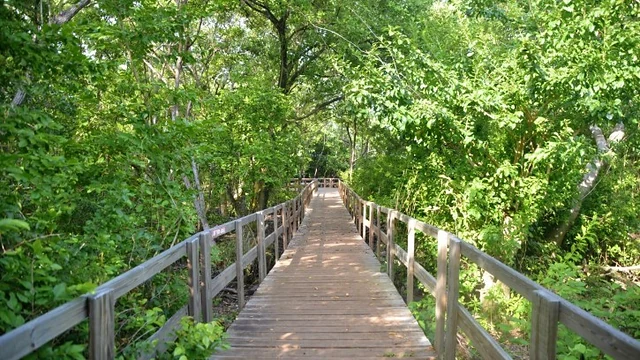
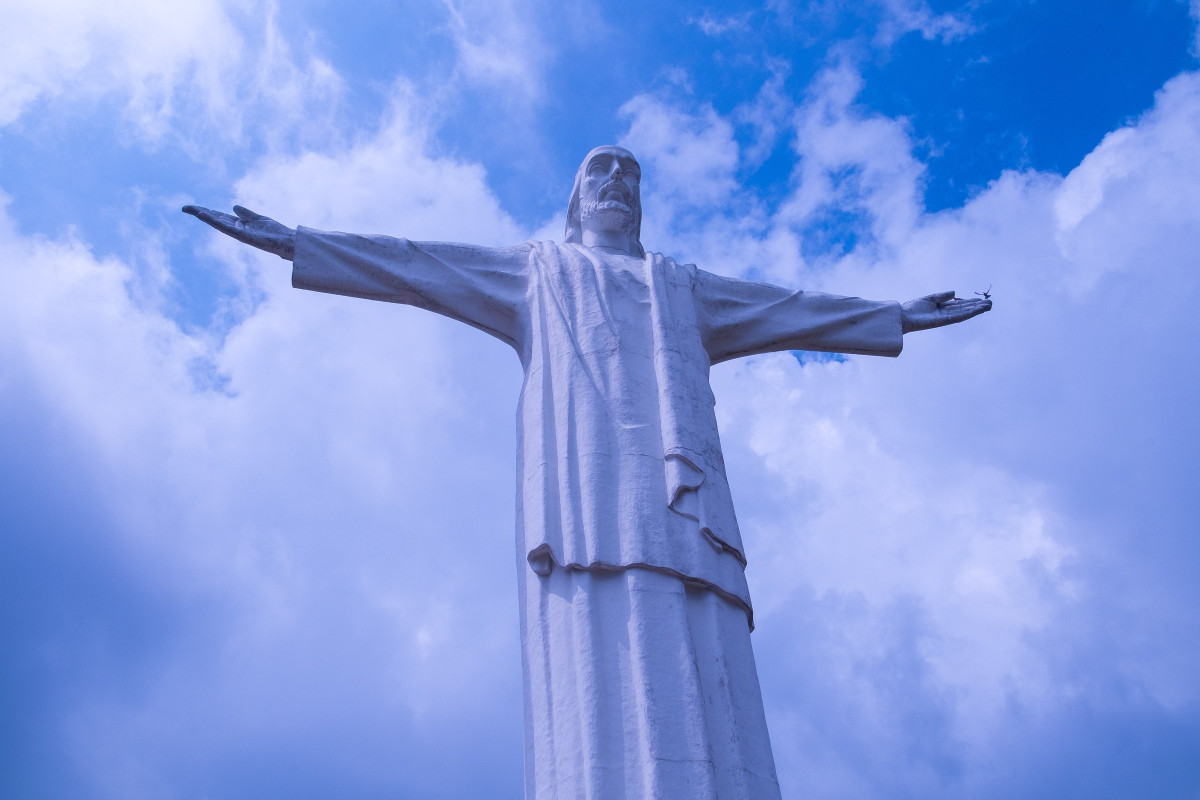
The statue is 26 meters tall, was made by the Italian Alideo Tazzioli and was unveiled in 1953 on the hill of Los Cristales, at about 1,440 meters. From the top, Cali explains itself: the flat valley to the east, the cordillera behind and the city stretched between the two. After the quake, Dagma inspected the eco-park, and since August 22 the monument sector (section 5) and the trail that starts next to Universidad del Valle, San Fernando campus (section 2), have been open. Section 3, the one that starts in the Cristales neighborhood, is still closed while some walkways are repaired.
From Friday to Sunday and on holidays you can enter until 7:00 p.m., so sunset is possible. Go up by car or taxi and arrange the return. And do not invent shortcuts on trails that are not open.
2. Dance at Lunes de Topa in La Topa Tolondra
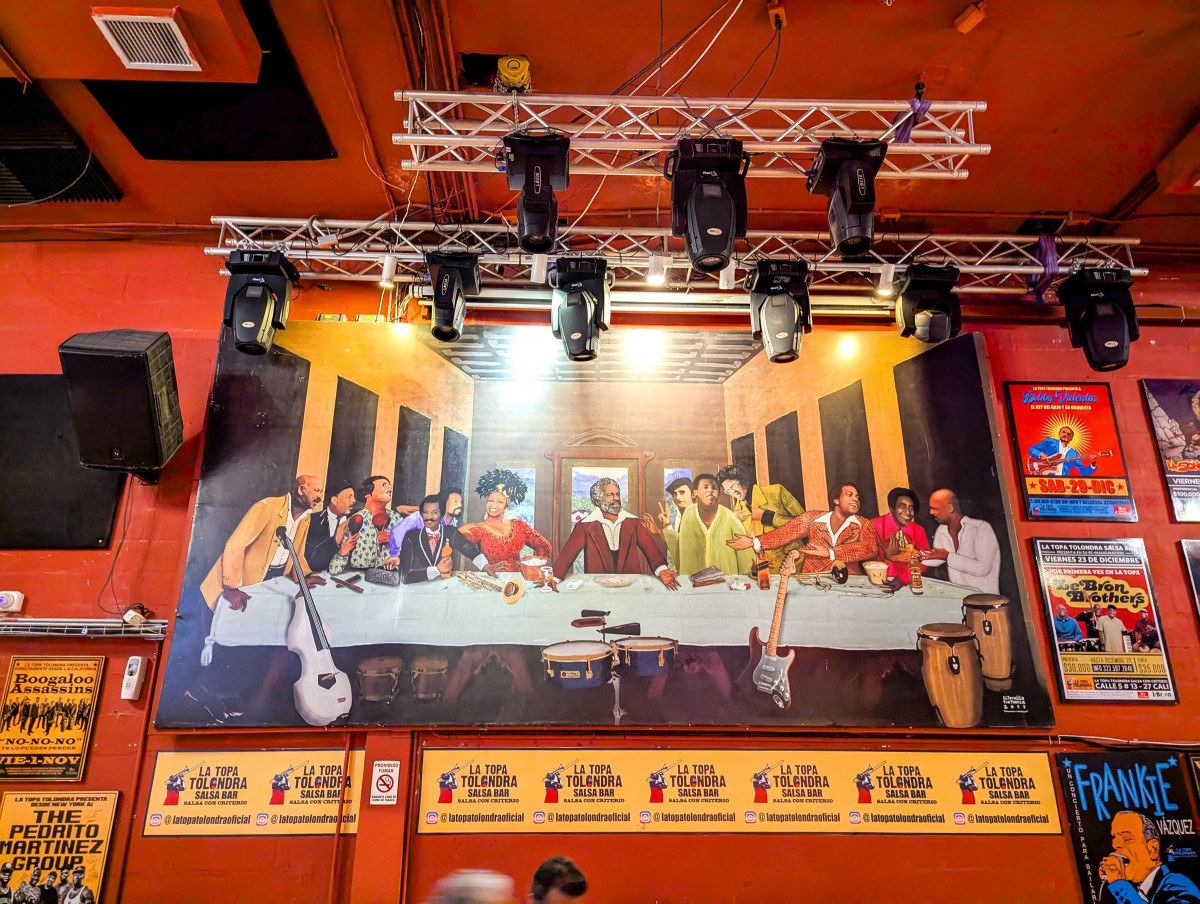
Cali is danced, and the most honest way to start is with a class and then a party in the same room. On Mondays, La Topa Tolondra, on calle 5, holds its Lunes de Topa: from 7:00 to 9:00 p.m. there is a Cali salsa and boogaloo class, and afterwards the floor stays open until the early hours. The cover is cheap, and on the floor people who have danced since childhood mix with visitors who have been in the city for two days.
The room is red, loud and unpretentious, with a mural of musicians that parodies The Last Supper. They kept the program going after the quake, but check their social media before you go in case the hours change. Go and come back by taxi or app: at night, calle 5 is not for a long walk.
3. Walk through the Cali Zoo
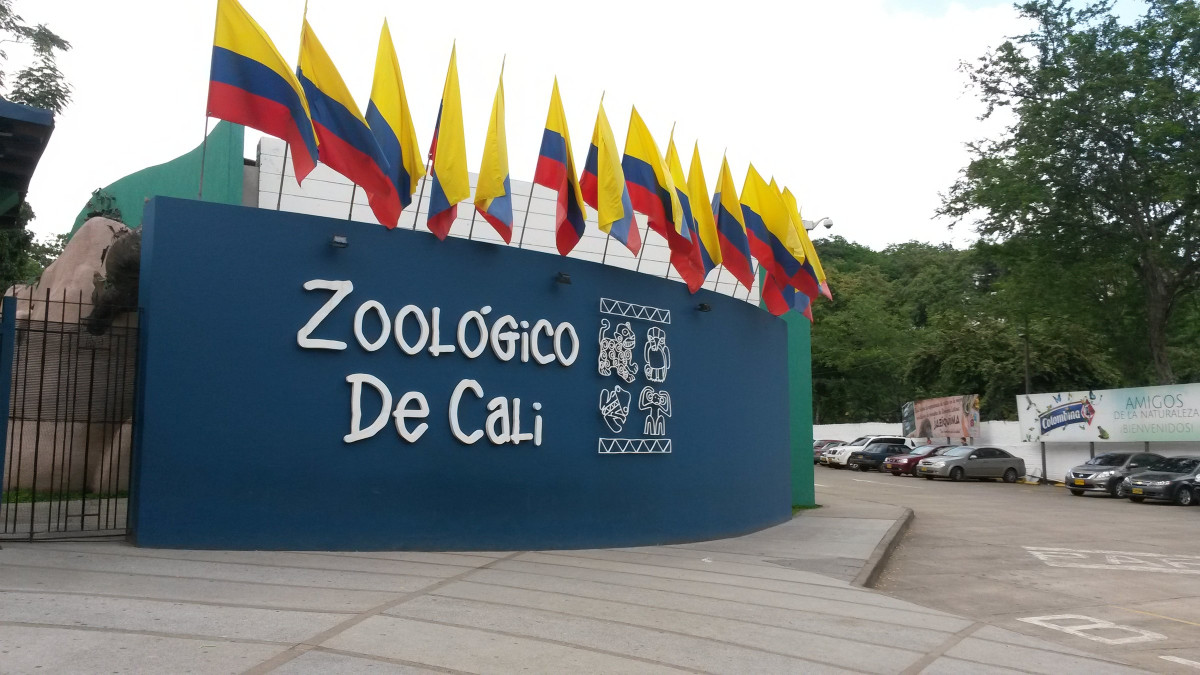
The Cali River runs through the zoo, so much of the walk is among trees and water, more park than display case. It opened in 1969, has been run by a nonprofit foundation since 1981 and has about 2,500 animals. The areas most worth your time are Los Andes, with condors, jaguars and mountain tapirs; Gente del Agua, with giant otters; and Asia Fantástica, the newest, with tigers and Komodo dragons.
They inspected the grounds after the quake and the city government confirmed in September that it is operating as usual. Arrive at 9:00, when it opens: there are more than two kilometers of paths and the midday heat weighs. Buy the ticket on the official website or at the box office, because the zoo itself has warned about fake pages.
4. Walk from the Gato del Río to the boulevard
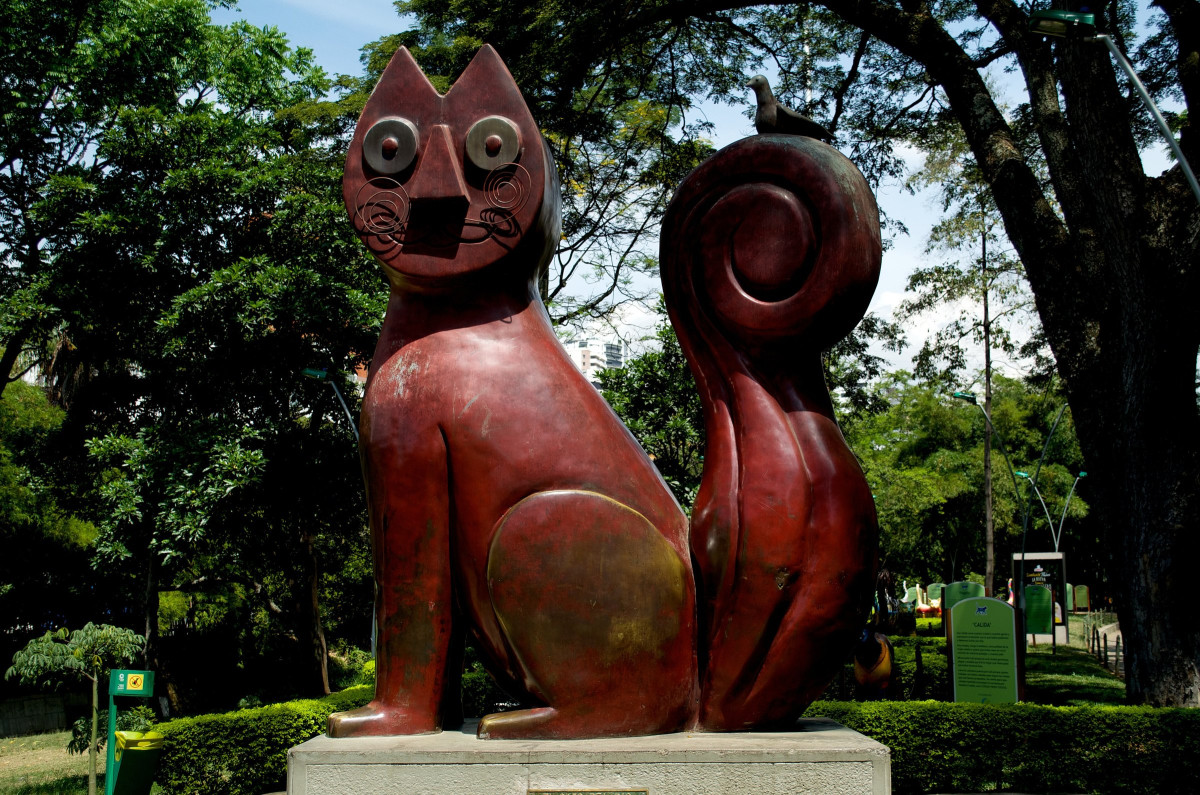
Hernando Tejada’s bronze cat arrived on the riverbank on July 3, 1996, and since then no visit to Cali is complete without that photo. Over the years they placed his female cats beside him, painted by artists such as Omar Rayo, Nadín Ospina or Lucy Tejada, and the riverbank became an afternoon stroll.
Walk it downstream to the Bulevar del Río, the pedestrian corridor in front of La Ermita. Of all the heritage buildings the city government inspected, La Ermita was the only one left habitable after the quake, and since then the cathedral’s masses have been said there. Do it at dusk, when it cools down, and do not wander too far into the historic center: several buildings are still under review or under construction.
5. Spend the morning at the Botanical Garden
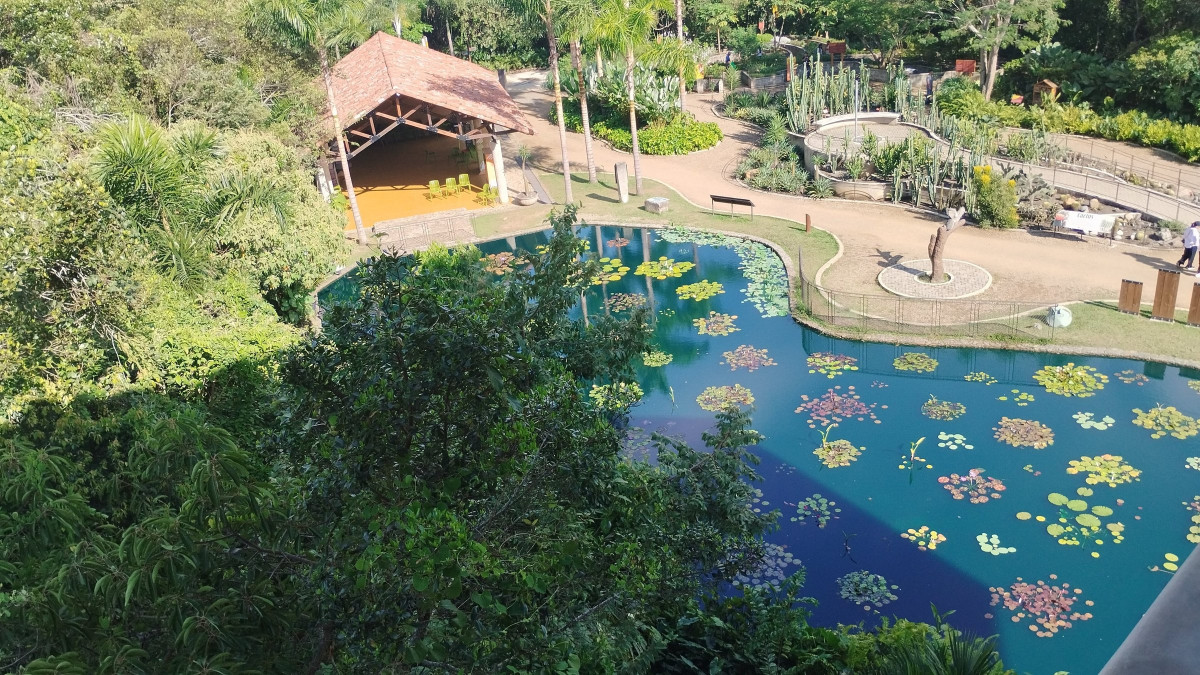
For when you want quiet. The Cali Botanical Garden, in the west and on the Cali River basin, is run by the same foundation as the zoo and is dedicated to the flora of the tropical dry forest, one of the country’s most threatened ecosystems. In September it opened an orchid pavilion, and the Jardín del Sol, the cactus garden, is still the most photogenic corner.
It is open Thursday to Sunday, from 9:00 a.m. to 3:00 p.m. Food and pets are not allowed (except assistance animals). Bring insect repellent, a hat and comfortable shoes. There is a combined ticket with the zoo, so you can put together a full day in the west.
6. Watch hummingbirds at Kilómetro 18
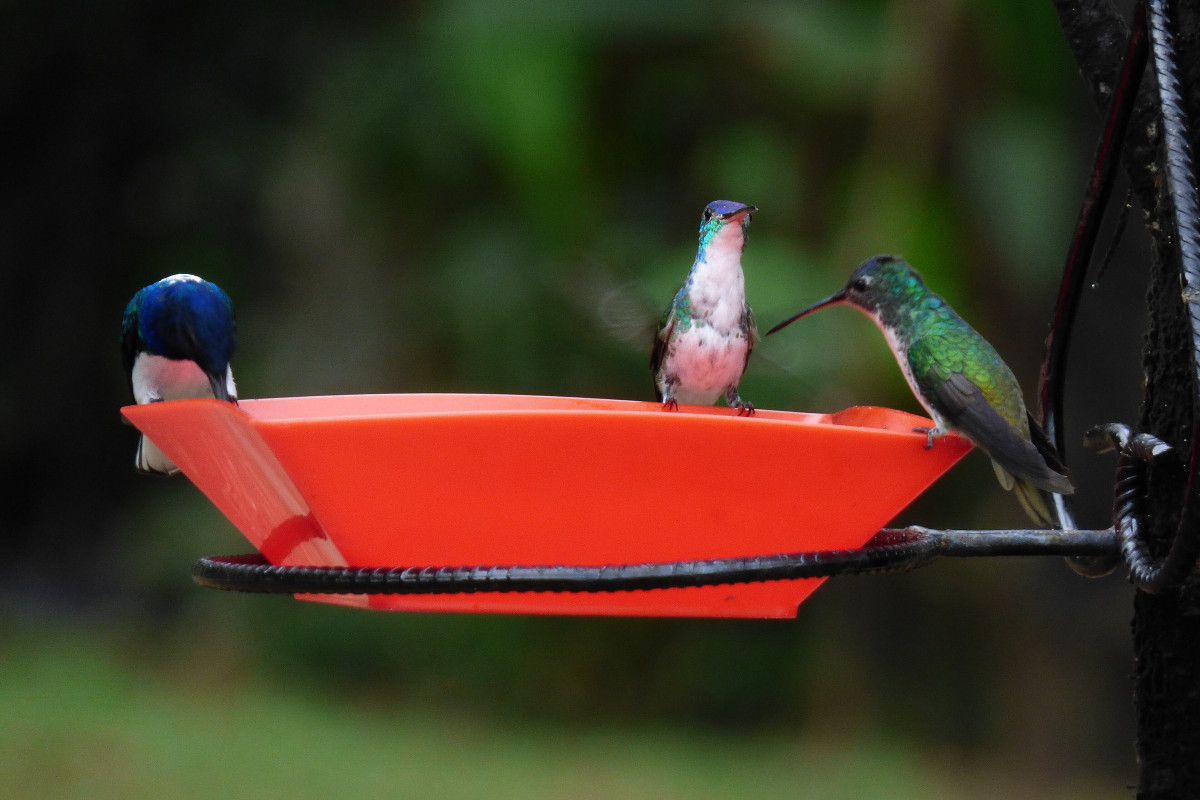
Half an hour up the road toward the coast and the weather changes all at once: mist, a jacket and the cloud forest of San Antonio, an important area for bird conservation, with more than 300 species recorded. Several farms in the area swapped cattle for hummingbird feeders and receive birders from dawn. Arriving early makes all the difference.
Write ahead to the farm you want to visit, because they are private houses with their own capacity and hours. And do not come back down without the chocolate with cheese or the aguapanela from the restaurants along the road, which for many people from Cali is the real reason to go up. If you then continue north, the best things to do in the Coffee Region have more mountain and bird plans.
7. Cool off in the Pance River
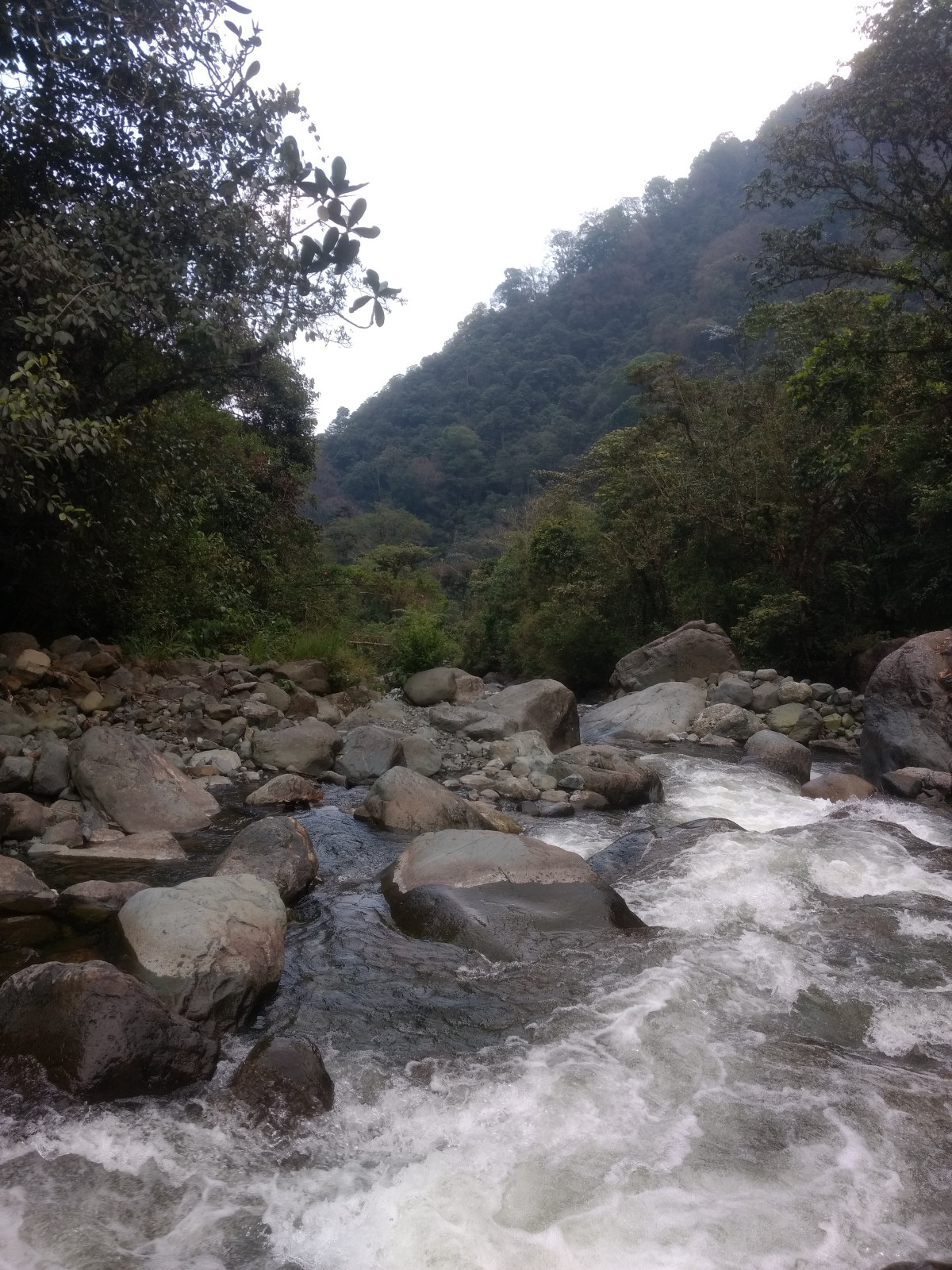
This is Sunday for people from Cali. The river comes down cold from the Farallones and at the southern edge of the city fills with families, pots of sancocho and people sitting on the rocks. On weekdays it is another place, almost empty. Nearby is the COP16 Biodiversity Ecopark, open Tuesday to Sunday and on Monday holidays, from 6:00 a.m. to 4:00 p.m.
Two things. In the rainy season the river rises fast: if the water changes color, carries branches or sounds different, get out. And check the road to Pance before you go up. Bring a bag for your trash, because after holidays the river is left dirty and nobody else is going to pick it up.