
What to do in La Guajira: the 6 best activities
Six things to do in La Guajira: climb the Pilón de Azúcar at Cabo de la Vela, reach Punta Gallinas and the Taroa dunes, watch flamingos in Camarones, see the Manaure salt flats, end the day on the Riohacha pier and float down the Palomino River.
1. Climb the Pilón de Azúcar at Cabo de la Vela
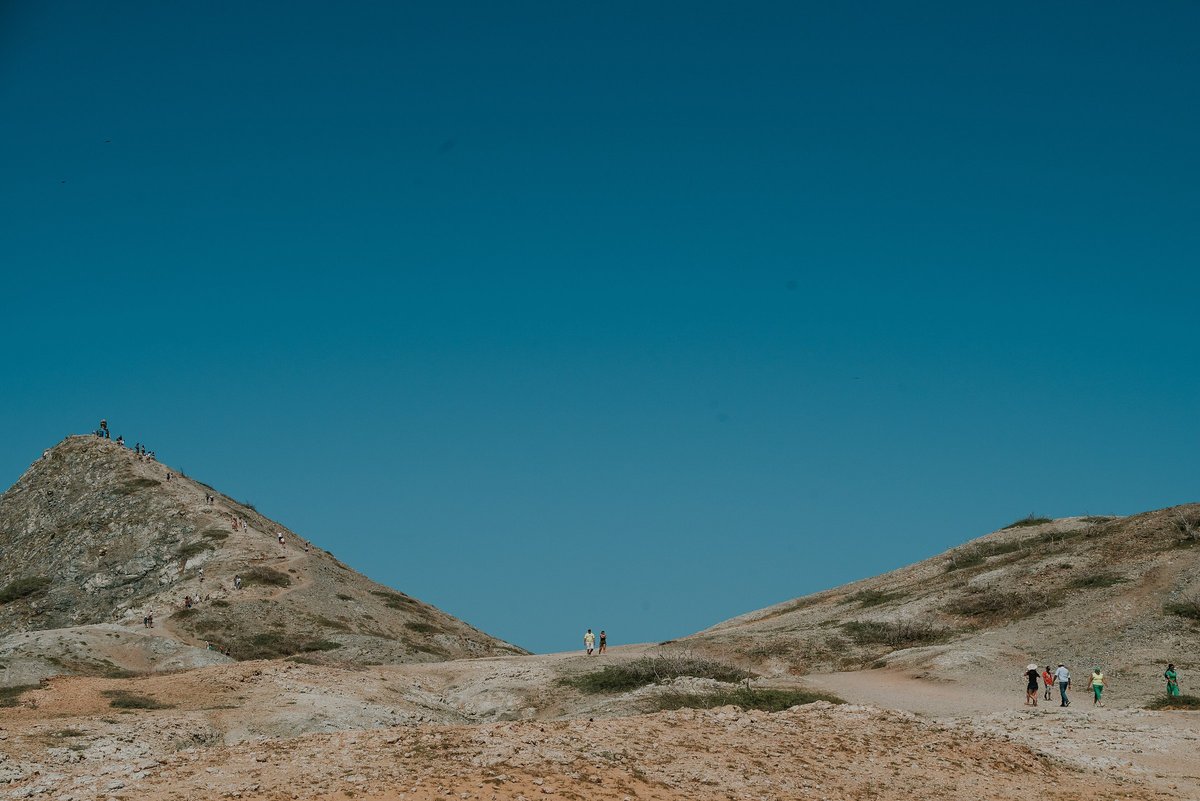
What to do in La Guajira comes down to how much desert you can handle. Short on time? Cabo de la Vela and the Pilón de Azúcar sum up the landscape: an ocher hill, turquoise sea and wind that never quits. With two or three more days, push on to Punta Gallinas and the Taroa dunes, the northernmost point of South America.
Updated on November 28, 2026
| Activity | Where | Good pick if… | Price | Official site |
|---|---|---|---|---|
| Cabo de la Vela and Pilón de Azúcar | Uribia, Upper Guajira | you want the classic Guajira landscape | Depends on the tour | No official site |
| Punta Gallinas and Taroa dunes | Uribia, far north | you have three days or more | Depends on the tour | No official site |
| Flamingos in Camarones | Los Flamencos sanctuary, near Riohacha | you like birds and an easy outing | No entry fee; guide paid separately | parquesnacionales.gov.co |
| Manaure salt flats | Manaure, Middle Guajira | you are on your way to Cabo de la Vela | Varies | No official site |
| Sunset on the Riohacha pier | Riohacha | you fly in or out of the capital | Free | No official site |
| Palomino River | Palomino, Dibulla | you want river, jungle and sea in one day | Depends on the operator | No official site |
The Upper Guajira is Wayuu territory and not a place to improvise in your own car: the dirt tracks shift with the rains, signage is scarce and so is fuel. Most travelers go on a 4x4 tour from Riohacha or Uribia, with a driver who knows the area. Bring cash, plenty of water, sunscreen and long sleeves against the sun and wind, and check the local security situation before heading north.
If you are planning a Caribbean route, see the best beaches in Colombia and our top tourist attractions in Colombia. Palomino is 72 kilometers from Santa Marta, so our Santa Marta guide may come in handy too.
To the Wayuu, this cape is Jepirra, the sacred place the spirits of the dead pass through before moving on to the unknown. For travelers it is, above all, an image that sticks: an ocher hill rising beside a turquoise sea in the middle of the desert.
The climb up the Pilón de Azúcar is short but steep, over loose rock. From the top you see the whole bay, and below lies an orange-sand beach with clear water and gentle waves. The wind blows hard nearly all the time, which is why Cabo de la Vela draws kitesurfers.
Go early or late in the afternoon: at midday the desert sun is brutal and there is no shade. Wear shoes with good grip, a cap that will not blow away, and carry water. Be respectful, too. For the Wayuu this is not scenery, it is sacred ground.
2. Reach Punta Gallinas and slide down the Taroa dunes
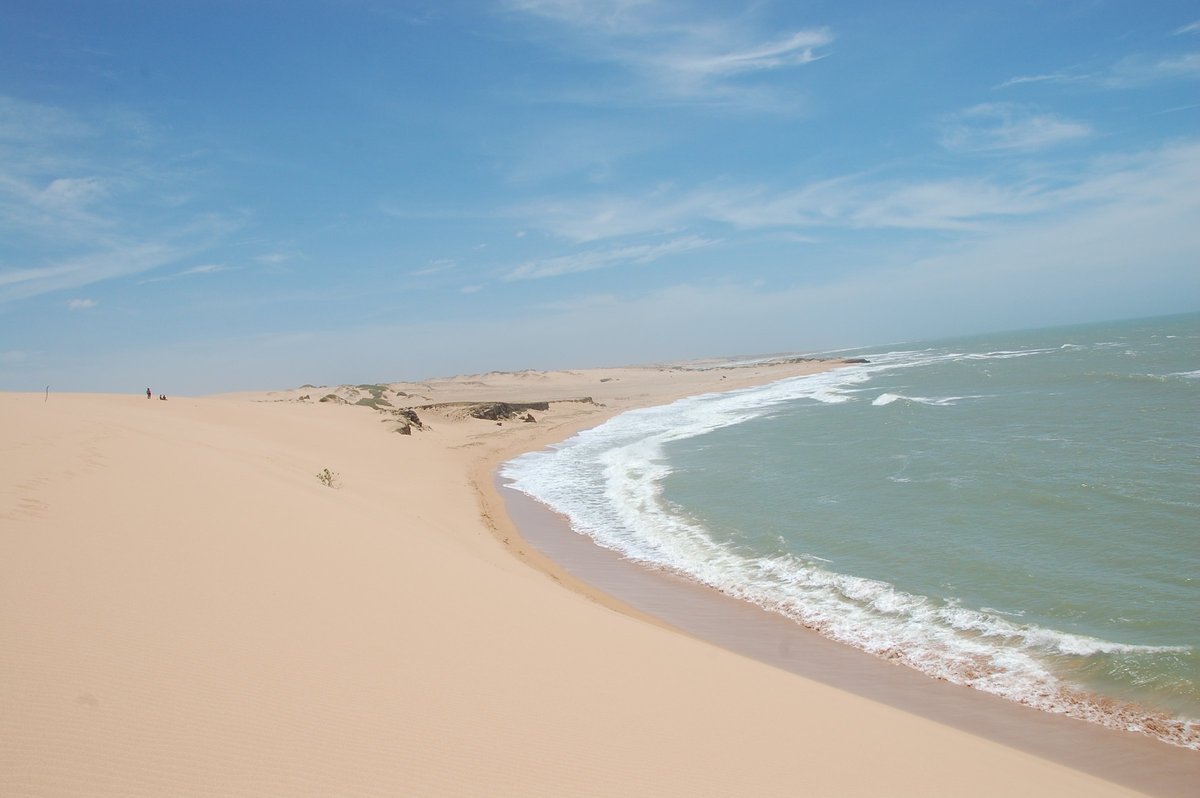
Punta Gallinas is the northernmost tip of mainland South America, in the municipality of Uribia, about 150 kilometers northeast of Riohacha. Getting there is half the trip: hours of desert tracks and, on many tours, a boat ride across Bahía Hondita.
A Wayuu community of around a hundred people lives here, among mesas, reddish cliffs and an 18-meter lighthouse that has operated since 1989, the northernmost on the continent.
The big draw is the Taroa dunes: a wall of sand about 60 meters high that drops straight into the Caribbean. You walk up and run or roll down, however you manage. It is not a beach for confident swimming, so enjoy it from the shore. Allow at least three days for the trip from Riohacha and do not attempt it without an operator.
3. Watch flamingos at the Los Flamencos sanctuary
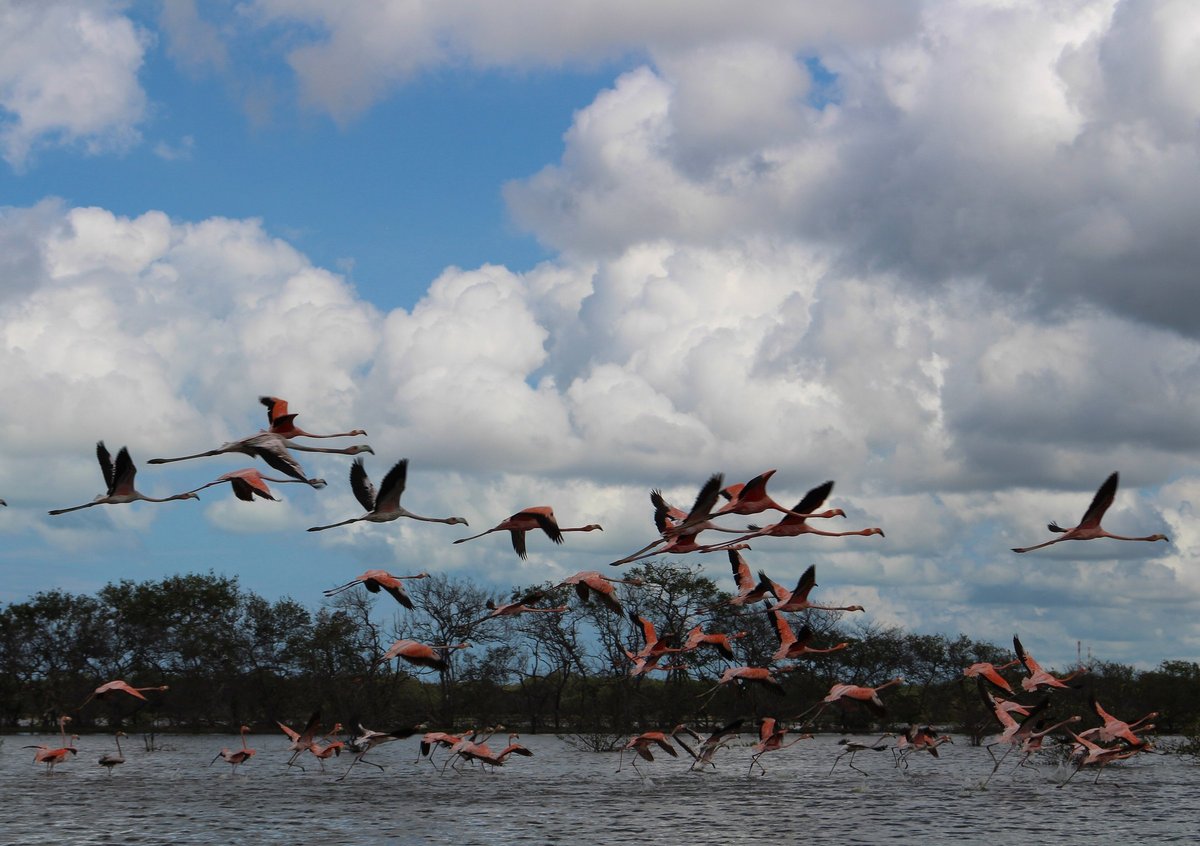
Pink, absurdly long-legged and feeding in the shallows of the lagoons: flamingos are the whole point of the Los Flamencos Flora and Fauna Sanctuary in Camarones, about 10 kilometers before Riohacha if you are coming from Santa Marta.
The sanctuary protects four coastal lagoons between the sea and dry forest, a refuge for waterbirds. Colombia’s national parks service keeps it open daily from 7 a.m. to 4 p.m. with no entry fee, but you can only visit with a local guide or interpreter, after a short induction talk. Tours are done in dugout canoes with guides from the community.
The flamingos are not always there: their numbers shift with the season and the water levels. Ask the guides before you go and arrive early, when the light is soft and the birds are most active. Keep your distance and do not flush them for a photo.
4. Tour the Manaure salt flats
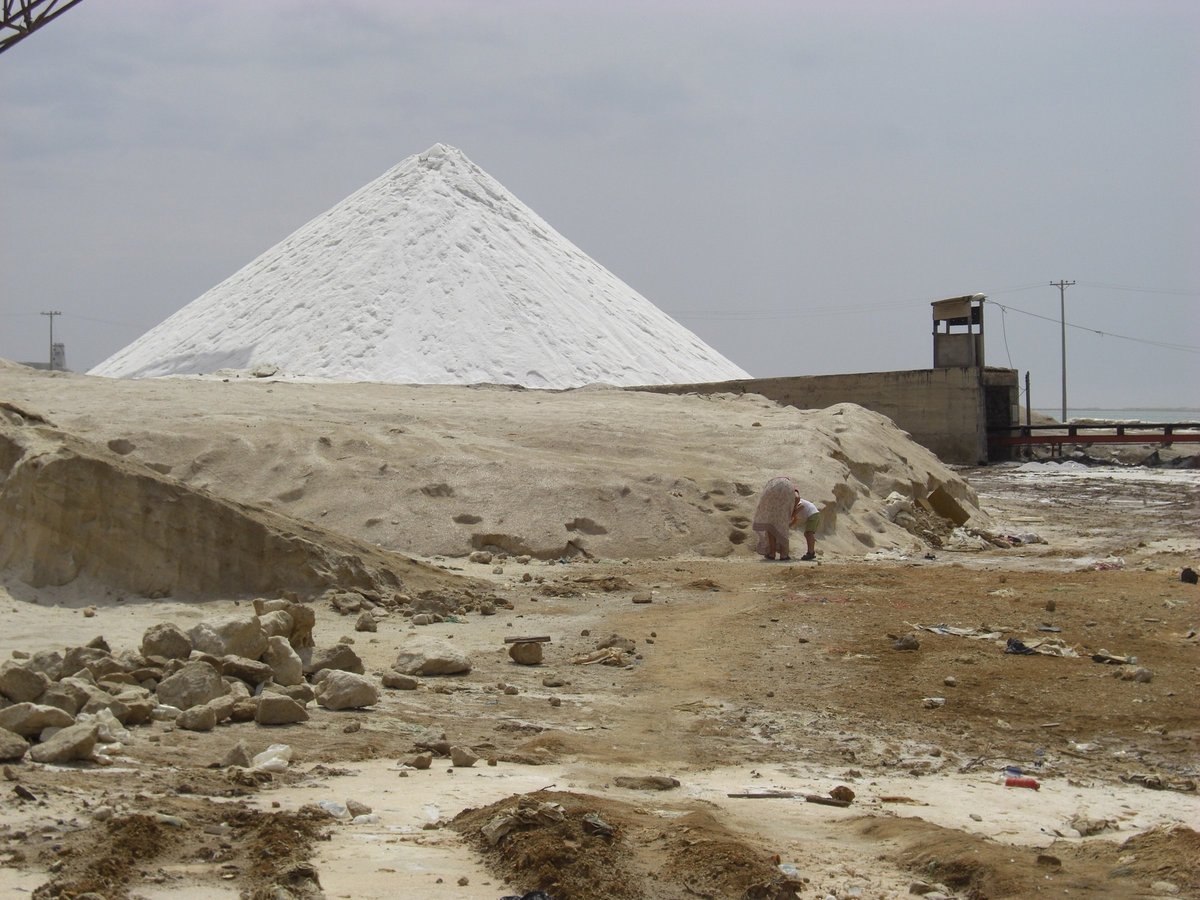
Mountains of salt so white they make you squint. Manaure has Colombia’s largest sea salt works, which is why it is nicknamed the country’s white bride.
The landscape is industrial and raw at the same time: evaporation ponds, conveyor belts, salt mounds and the sea behind them. It is a regular stop on the way to Cabo de la Vela, since it sits right on the route through the Middle Guajira.
Bring dark sunglasses, because the glare is intense, and shoes you do not mind getting dirty. Pair it with Cabo de la Vela on the same day and leave Riohacha early so you are not on the dirt tracks after dark.
5. End the day on the Riohacha pier
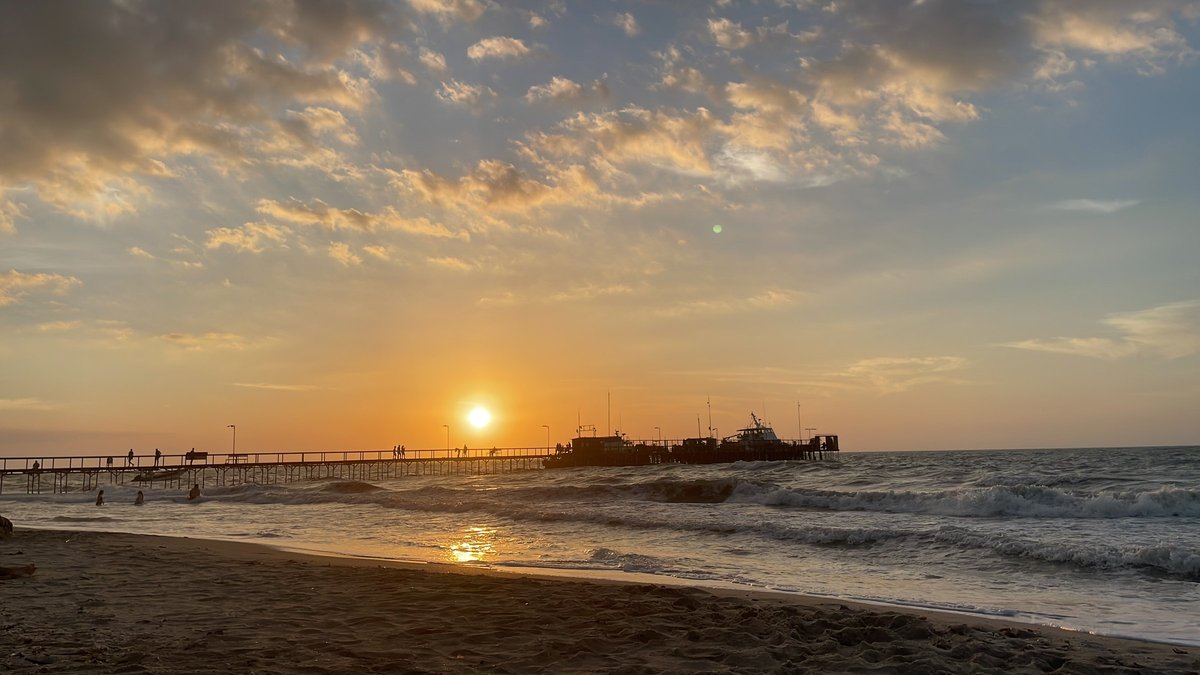
The capital, slowly
Many itineraries rush through Riohacha, and that is a shame. The capital of La Guajira, Süchiimma in the Wayuu language (land of the river), sits where the Ranchería River meets the sea, and its long wooden pier is the best spot to watch the sun drop into the Caribbean.
At that hour the seafront fills with families, shaved-ice vendors and Wayuu artisans selling brightly woven mochila bags. It is a good moment to buy one straight from the woman who made it.
The city has a long history: it was born in the mid-16th century from the pearls off its coast, Francis Drake destroyed it in 1596, and it has been rebuilt so many times that locals call it the Phoenix of the Caribbean. Give it an afternoon before or after the desert.
6. Float the Palomino River down to the sea
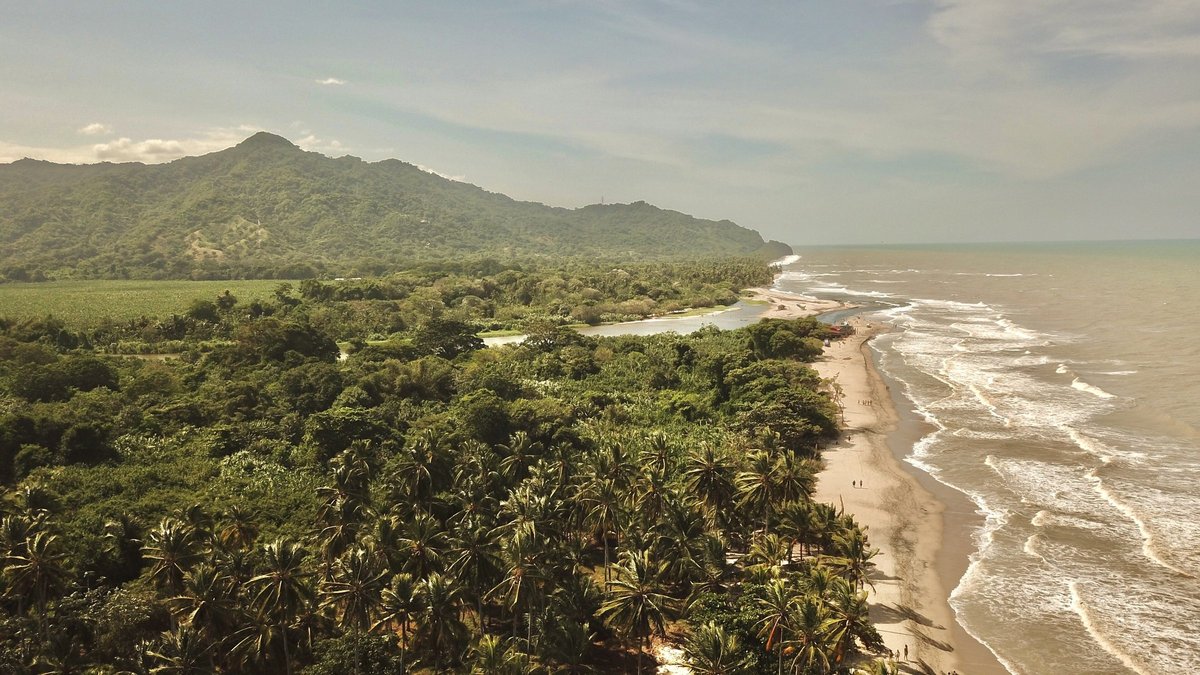
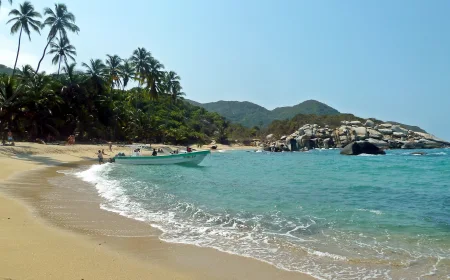
Palomino is a different Guajira: green, humid and at the foot of the Sierra Nevada. It is a village in the municipality of Dibulla, on the border with Magdalena, 72 kilometers from Santa Marta and 90 from Riohacha.
The classic plan is to hike upstream and then drift back on an inner tube all the way to the river mouth, where fresh water meets the sea. The route winds through jungle and farmland, and on clear days the Sierra’s peaks peek out.
Careful with the sea at Palomino: it is often rough and not always safe for swimming. Use the river to bathe and the beach to walk. After heavy rain in the Sierra the river rises, so ask in the village before you get in.