
What to do in Villa de Leyva: the 7 best activities
Seven plans in Villa de Leyva: Plaza Mayor, the Paleontological Museum, Casa Terracota, the Santo Ecce Homo convent, El Infiernito, El Fósil museum and Pozos Azules. What to see, where they are and how to plan the visit.
1. Plaza Mayor and the historic center
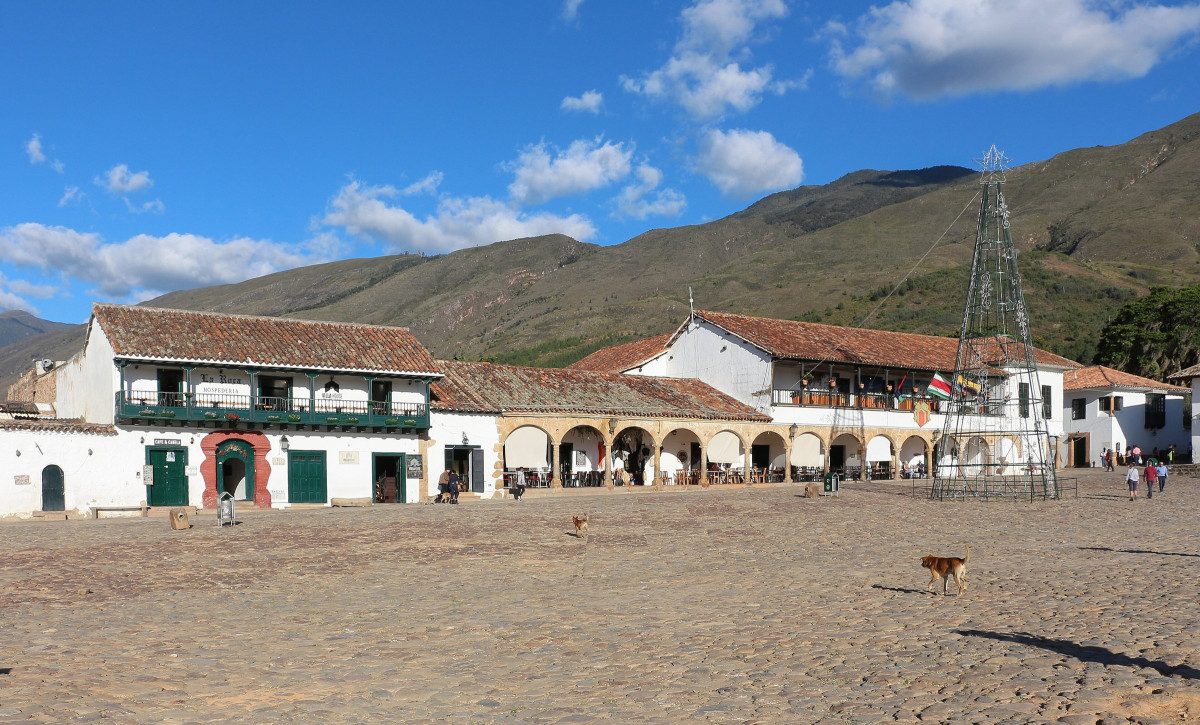
The best thing you can do in Villa de Leyva is to wander with no particular destination through Plaza Mayor, cobbled and 1.4 hectares, and then go for fossils. You have two stops: the Paleontological Museum and El Fósil museum, where a marine reptile more than a hundred million years old is still in the same place it was found. With Casa Terracota and the Santo Ecce Homo convent, eight kilometers away, you put together a full day without needing a tour.
| Plan | Where | It works well for |
|---|---|---|
| Plaza Mayor and the historic center | Urban area | Walking without a rush |
| Paleontological Museum | 1.5 km from the square, on the road to Arcabuco | Fossils and a paleogarden |
| Casa Terracota | Villa de Leyva | Architecture and photography |
| Santo Ecce Homo convent | Sutamarchán, 8 km away | Colonial history |
| El Infiernito | 5 km from the town center | Muisca archaeology and astronomy |
| El Fósil Community Museum | Vereda Monquirá, on the road to Santa Sofía | Seeing a fossil at the place it was found |
| Pozos Azules | Near Villa de Leyva, on the way to El Fósil museum | A walk or a horseback ride |
What to do in Villa de Leyva: the square, fossils and the countryside
Villa de Leyva is in Boyacá, 38 kilometers from Tunja and about 161 from Bogotá. The landscape around it is dry, with reddish earth and a very open sky, and the sun hits hard even though the air is cool. Prices and hours at the sites change, so ask before you go out.
To sleep, you have the best hotels in Villa de Leyva, and for more ideas, the note on experiences in Villa de Leyva. If you leave from the capital, the Bogotá guide and the best things to do in Bogotá help you complete the trip.
Plaza Mayor, where any plan in Villa de Leyva starts
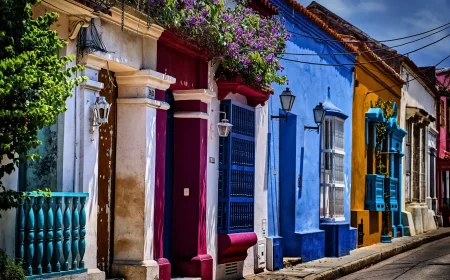
A cobbled esplanade of 1.4 hectares, surrounded by colonial houses with white walls. It is one of the largest squares in South America, and its size has an explanation. The town was founded on June 12, 1572, moved to where it is today in 1582 and was born so that Spanish soldiers could settle and receive land. The square was used to form the troops.
Villa de Leyva was declared a national monument in 1954 and a Heritage Town in 2010, and it is on UNESCO’s tentative list. Walk it early, before the weekend crowds arrive, and continue along the cobbled streets. If you catch the Wind and Kites Festival, in mid-August, or the Astronomy Festival, in late January or early February, you will see the square transformed.
2. Paleontological Museum
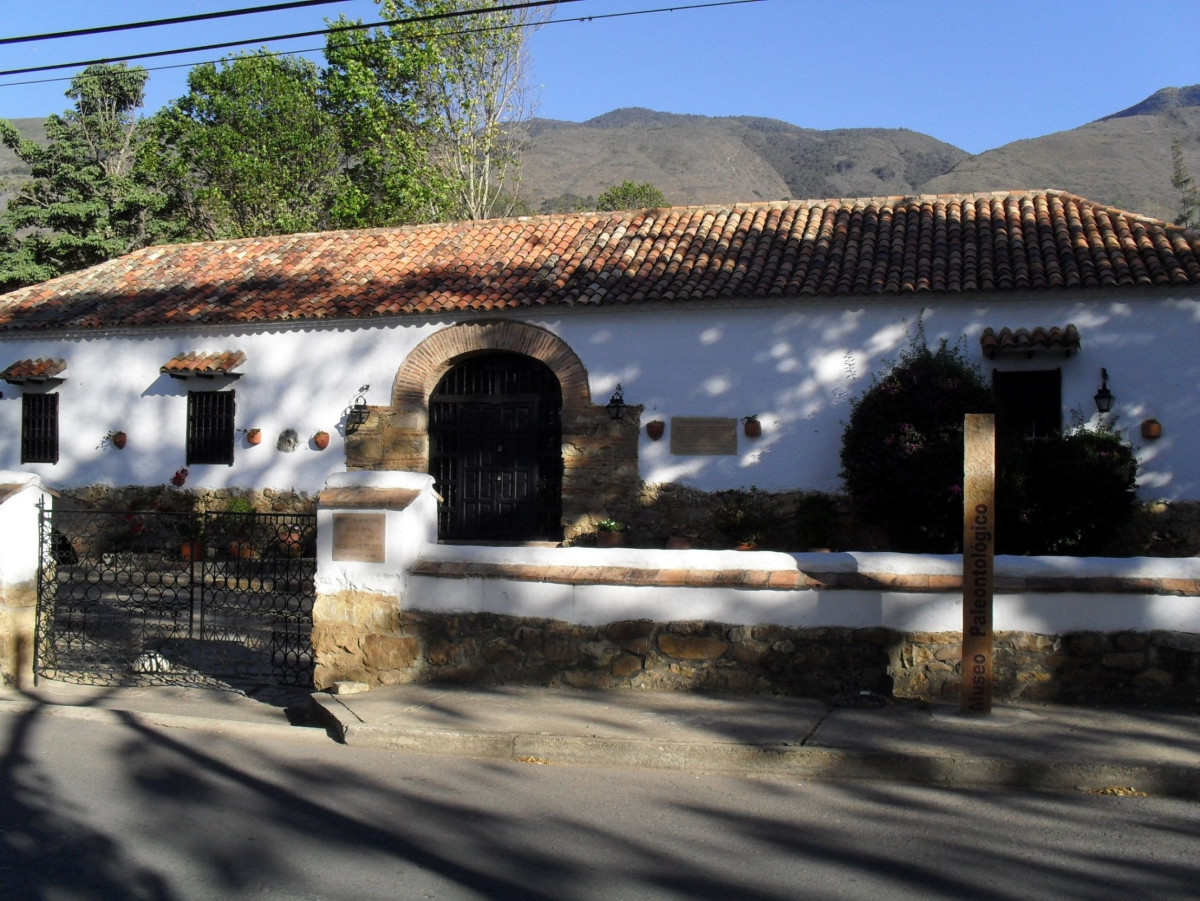
About 130 million years ago, in the Cretaceous, all of this was sea. This museum proves it with hundreds of fossils, almost all from the region: ammonites, snails, echinoderms, fish and marine reptiles such as the ichthyosaurs and plesiosaurs that have appeared in the surroundings. It is run by the National University and opened on June 12, 1972 in the old Osada mill, a colonial house 1.5 kilometers from the square, on the road to Arcabuco.
Since 2019 it has an interactive paleogarden with 87 plant species, some of lineages that already existed when there were dinosaurs. It is walked with an augmented-reality app, so arrive with your phone charged and the app downloaded. It is a university museum, more for learning than for being dazzled, and it is enjoyed without a rush.
3. Casa Terracota
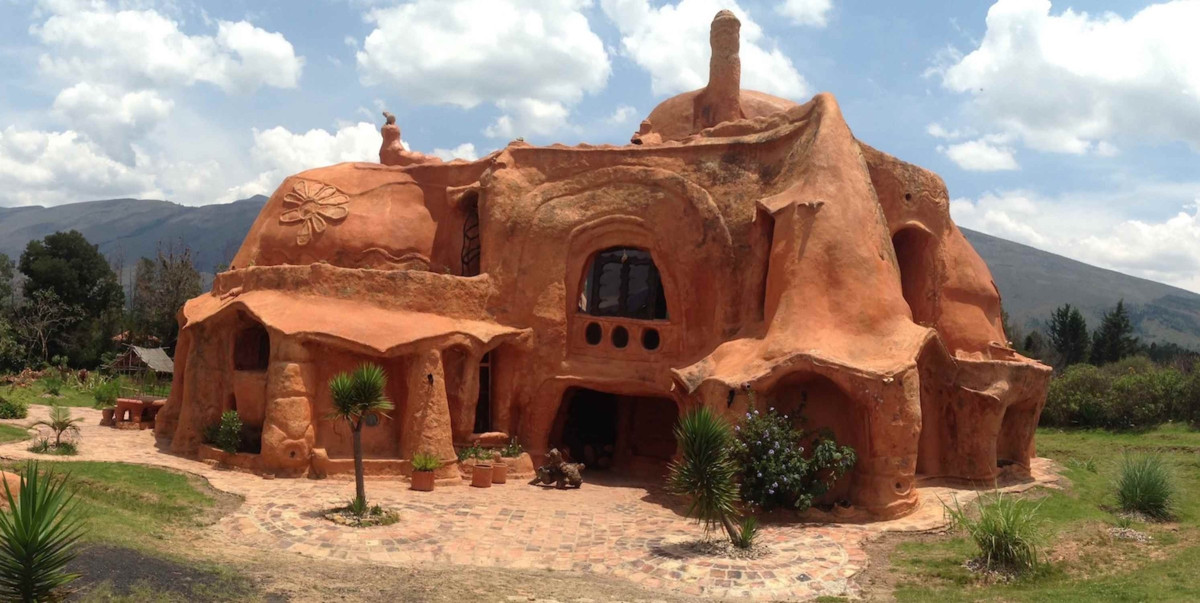
Curves, domes and terraces the color of clay, as if someone had baked a whole house. That is Casa Terracota, the work of architect Octavio Mendoza Morales. He started it in 1999 and finished the main structure in 2016. He calls it the largest ceramic in the world and an endless project, open to the arts and crafts.
The visit has its rules. Capacity is limited, the ticket is valid for a single entry on the day and you can stay a maximum of an hour and a half. Tickets are bought on the website at least two days ahead, or at the box office the same day if any remain. You cannot eat inside or enter with pets, and minors go with an adult. Hours change by day, so check them on its page before you go.
4. Santo Ecce Homo convent
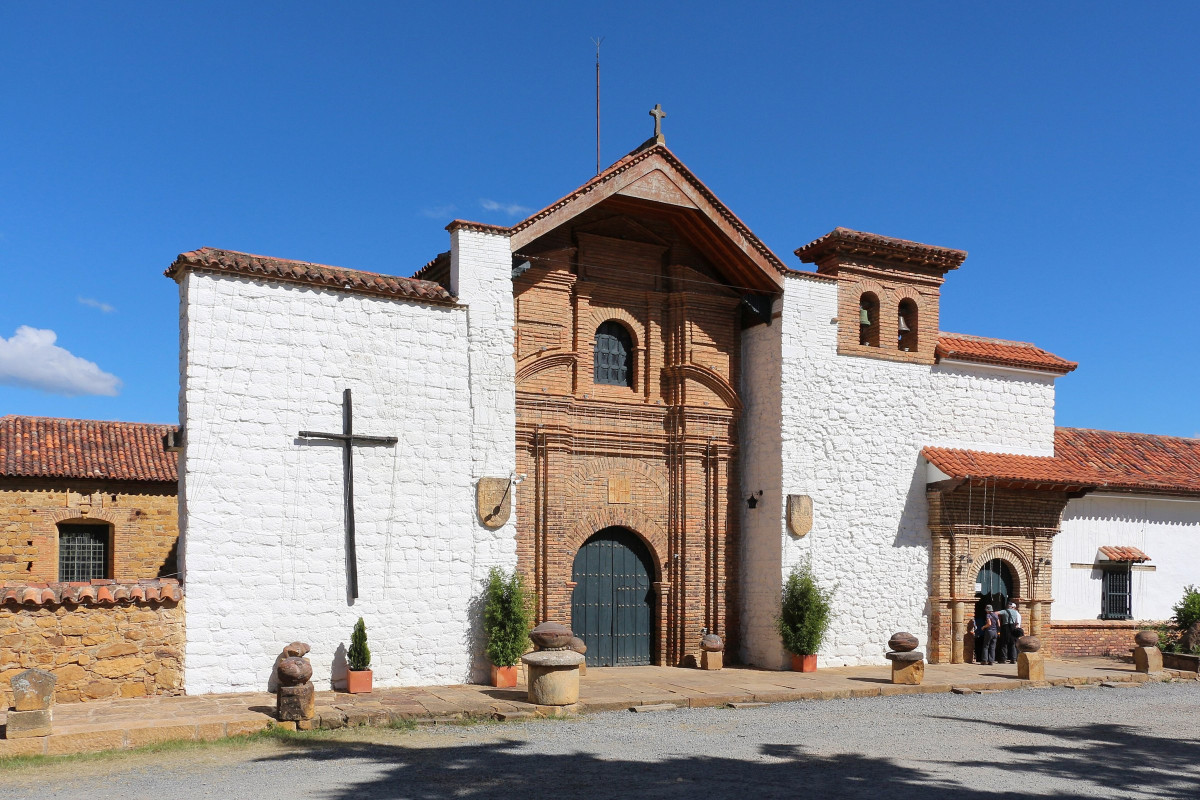
Eight kilometers away, in Sutamarchán, is this seventeenth-century Dominican monastery. It was founded on March 15, 1620 as a rest house for the older friars. The definitive buildings went up between 1650 and 1695, and the church between 1658 and 1661. It is a national monument and in 2007 it was a finalist in El Tiempo’s contest to choose the seven wonders of Colombia.
It is a mid-morning plan. What you feel there is silence: Dominican cloisters in the middle of the Boyacá countryside. If you have a car or hire a driver, pair it with El Infiernito and El Fósil museum on the same outing.
5. El Infiernito
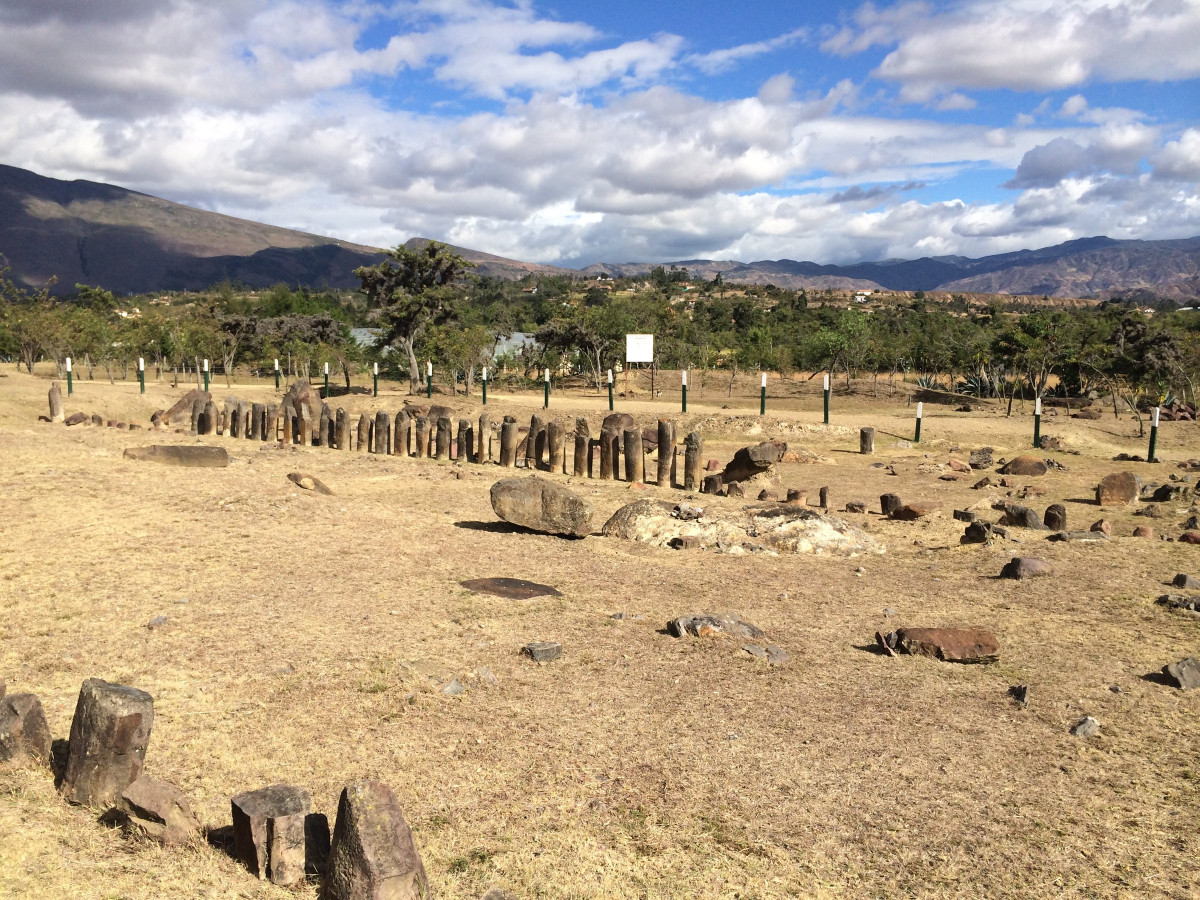
Thirty large stone columns, phallic in shape, scattered across the ground, and more than a hundred small columns in two rows from east to west. El Infiernito (officially, the Monquirá Archaeological Park) is five kilometers from town and is at least 2,200 years old.
No one agrees on what it was for. Some say it was for fertility rites. Others, that it was an observatory that marked the start of summer and winter according to the shadow of the columns. The first founding of the town was done near here, before the move. Go in the morning, when the light comes in from the side and it is not yet so hot.
6. El Fósil Community Museum
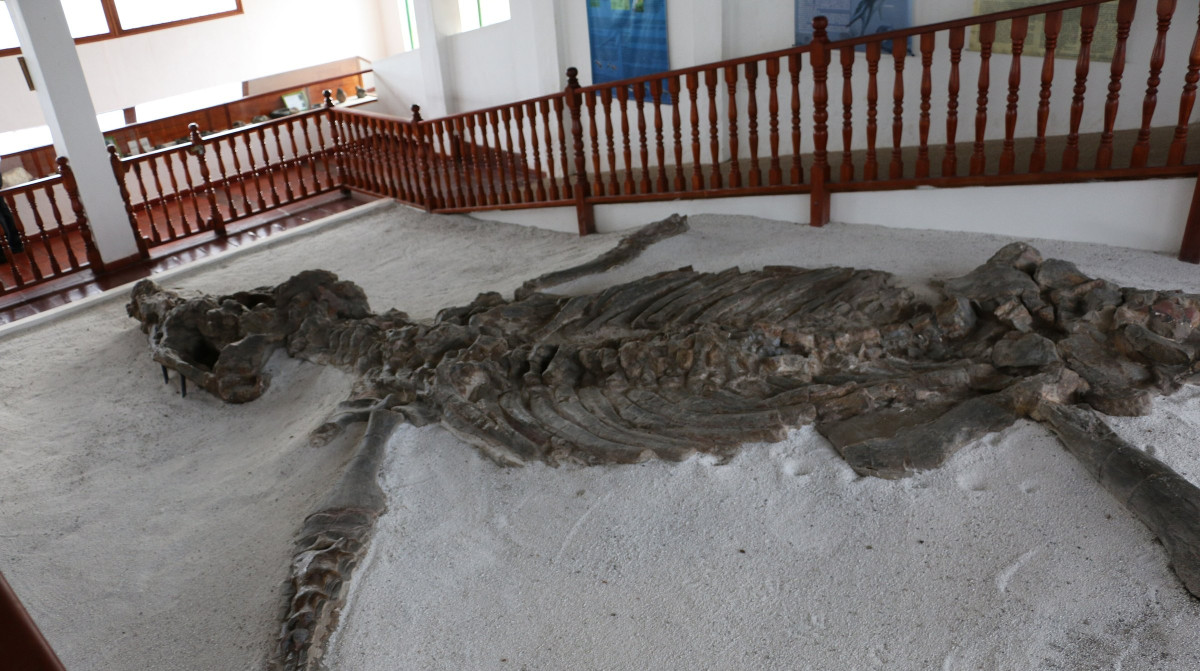
On June 7, 1977, some farmers from the vereda of Monquirá found a kronosaurus, a marine giant more than a hundred million years old. They did not take it anywhere: it is still there, at the site where it appeared, and around it this community museum grew, on the way to Santa Sofía. Today that specimen is known as Monquirasaurus boyacensis.
Besides the kronosaurus there are hundreds of original pieces from the area and the skeleton of a dinosaur, Padillasaurus leivanensis, about 130 million years old. Admission costs 25,000 pesos for adults and 15,000 for children, and it is open every day from 8:00 a.m. to 6:00 p.m. If you can, visit it the same day as the Paleontological Museum and compare the two collections.
7. Pozos Azules
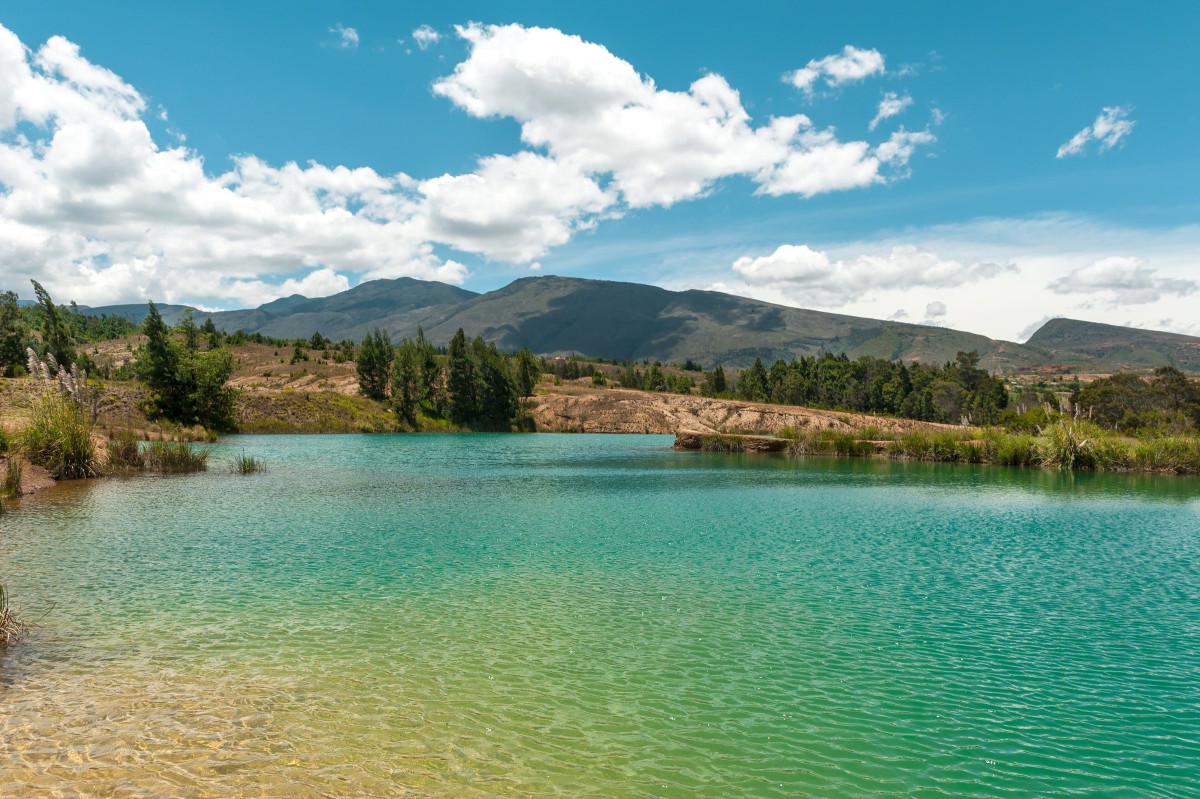
In the middle of the dry landscape of Villa de Leyva appear some pools of a blue you do not expect. The color comes from the soil, which has salt, sulfur and copper oxide, and in the sun the water looks like the sea. You get there on foot or on horseback, and it is a place to breathe clean air and be quiet for a while.
It is not a bathing spot. It is for looking and taking photos. Go around midday, when the blue looks most intense, and take advantage of the fact that the fossil museums are in the same area. Ask about hours and entry conditions before you go out.